
The first explosions shattered more than concrete. They shattered the illusion that this simmering conflict could be contained.
In the span of a few minutes, the sky lit up with flashes of fire, sirens cut through the night, and a region already stretched thin by years of tension found itself staring into the abyss of something much bigger. What began as a calculated strike on missile facilities has rapidly spiraled into a dangerous moment where fear, anger, and uncertainty are colliding on a global stage.
For months, analysts warned the pressure was building. Quiet threats, shadow operations, cyber skirmishes, and intelligence leaks hinted that the balance was fragile. But few expected the shift to happen so abruptly.
Then the missiles fell.
Officials in Washington and Jerusalem say the operation was necessary. According to their narrative, the targeted facilities posed a growing threat — part of a broader military buildup that could eventually endanger allies and destabilize the region even further. In their view, waiting was not an option.
The strike, they argue, was meant to slow a looming danger.
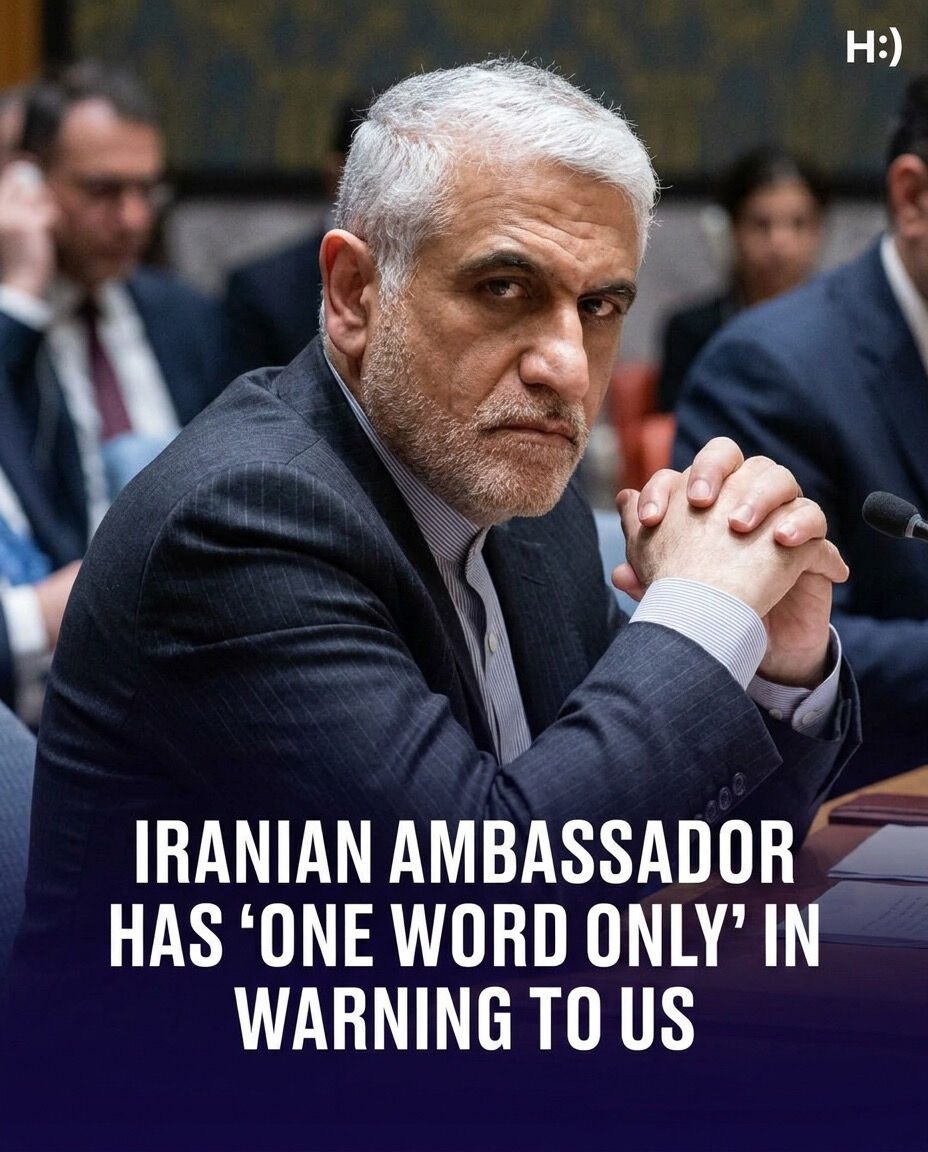
But in Tehran, the story being told is very different.
Leaders there have framed the attack as a deliberate humiliation — a direct assault on national sovereignty and pride. In fiery speeches broadcast across the country, officials have promised that the response will come, and that it will be felt.
That promise has sent shockwaves far beyond the immediate blast zones.
Around the world, governments are scrambling to assess what happens next. Allies are quietly choosing sides. Military commands are raising readiness levels. Diplomatic hotlines that rarely ring are suddenly alive with tense conversations between capitals.
Markets have already begun reacting. Oil prices jumped within hours of the strikes, reflecting fears that key shipping lanes or production infrastructure could become targets if the conflict escalates. Investors hate uncertainty, and right now uncertainty is everywhere.
But the real danger isn’t just the political fallout.
It’s the possibility of miscalculation.
In modern conflicts, decisions are made at terrifying speed. Radar screens track incoming signals. Intelligence agencies monitor communications. Fighter jets patrol skies where a single wrong move could ignite a wider confrontation.
In that fragile space between action and reaction, even a misunderstood radar blip or intercepted message can trigger events that no one truly intended.
That’s what keeps military planners awake at night.
The Middle East has lived through countless flashpoints, but this moment feels different to many observers. The stakes are enormous, and the players involved possess capabilities that could transform a regional clash into a global crisis in a matter of days.
Behind closed doors, diplomats are working frantically to cool things down. Messages are being passed through back channels. Mediators are attempting to create space for leaders to step back from the edge without appearing weak.
Because pride, in situations like this, can be just as dangerous as weapons.
For the people living closest to the tension, the uncertainty is suffocating. Families watch the news, scroll through updates on their phones, and try to make sense of the conflicting claims and rumors flooding social media.
No one knows what the next hours will bring.
Will retaliation come swiftly?
Will it be symbolic — a message rather than an escalation?
Or will it spiral into something far harder to contain?
For now, the world is watching the same clock.
And in Tehran, one decision could change everything.
The first explosions shattered more than concrete. They shattered the illusion that this simmering conflict could be contained. In minutes, the region was thrust into a nightmare of uncertainty, fear, and raw, unfiltered rage. Allies are choosing sides. Markets are trembling. Militaries are moving. And in Tehran, a single decision could cha…
What began as a calculated strike on missile facilities has now become a test of political will, national pride, and global resolve. In Washington and Jerusalem, officials insist the operation was necessary to blunt a growing threat. In Tehran, leaders frame it as a deliberate humiliation that must be answered. Between these narratives lies a fragile space where miscalculation can be fatal, and where every intercepted message or radar blip could be mistaken for the start of something far worse.











Leave a Reply