
Throughout history, different parts of the human body have captured attention in art, culture, and fashion. One of the most talked-about features — especially in modern media — is the shape of the hips and glutes, often casually referred to as “butts.”
While the topic might sound lighthearted at first, there are actually several interesting reasons why this part of the body gets so much attention in culture, fitness, and fashion.

Biology and Body Structure
From a biological perspective, the gluteal muscles are among the largest and strongest muscles in the human body. They play a major role in everyday movement — walking, running, climbing stairs, and maintaining posture.
Because these muscles are responsible for so many physical functions, their shape naturally varies depending on a person’s genetics, activity level, and overall body composition.
In fitness communities, the glutes are often a major focus because strengthening them helps improve balance, athletic performance, and stability.
Cultural Shifts in Beauty Standards
Beauty standards change constantly across different eras and cultures.
For example:
- In some historical periods, slender silhouettes were preferred.
- In others, fuller curves were considered more attractive.
- In modern times, social media and celebrity culture have played a big role in shaping perceptions of body aesthetics.
Over the past decade especially, curves — including the hips and glutes — have become a prominent part of fashion and fitness conversations.
This shift has influenced clothing design, workout trends, and even photography styles.
The Influence of Fitness Culture
One reason the topic has become so common is the rise of fitness culture.
Exercises like squats, hip thrusts, lunges, and glute bridges are now widely promoted as part of strength training routines. Trainers emphasize glute development not only for appearance but also for functional strength.
Strong glutes support:
- Lower back health
- Knee stability
- Running performance
- Athletic power
So while aesthetics often get the spotlight, the underlying focus is usually physical strength and movement efficiency.
Fashion and Clothing Design
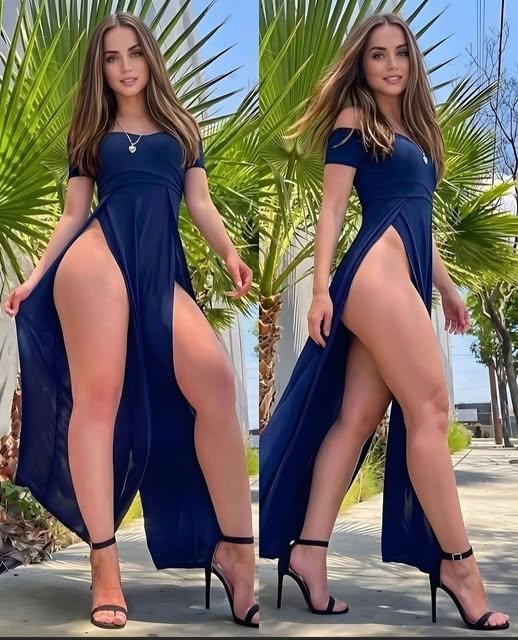
Fashion also plays a big role in how body shapes are highlighted.
Certain clothing styles are designed to emphasize curves, including:
- High-waisted jeans
- Athletic leggings
- Structured dresses
- Tailored pants
Fabric stretch technology and new clothing materials have made it easier for designers to create garments that contour naturally with the body.
This has changed how people approach both everyday outfits and athletic wear.
Social Media and Visual Trends
The modern internet has amplified conversations about body shape more than ever before.
Platforms like Instagram, TikTok, and Pinterest have turned fitness transformations, fashion styling, and body positivity into widely shared content.
Images that highlight posture, silhouette, and body lines tend to perform well visually, which naturally draws attention to certain features of the body.
However, these trends also spark discussions about body diversity and the importance of realistic expectations.
Body Confidence and Self-Expression
For many people, conversations about body shape are ultimately tied to confidence and self-expression.
Everyone has a unique body structure, and modern discussions around wellness increasingly focus on embracing individual differences rather than chasing one universal standard.
Strength training, balanced nutrition, and healthy habits are now commonly promoted as ways to support both physical health and confidence.
The goal for many people isn’t perfection — it’s simply feeling comfortable and confident in their own bodies.
The Bigger Picture
While social media and pop culture sometimes exaggerate certain trends, the reality is that the human body has always been a central subject in art, fashion, and discussion.
Curves, posture, movement, and strength all play a role in how we perceive physical appearance.
At the end of the day, these conversations often come back to something simple: understanding how our bodies work and appreciating the diversity of human shapes.
Final Thoughts
The attention given to different body features — including the glutes — says a lot about how society thinks about the human body. At first glance, many of these conversations might seem lighthearted or purely entertaining. Social media is filled with jokes, viral posts, memes, and trends that highlight certain body parts, often turning them into cultural talking points almost overnight.
But behind the humor and viral attention, there is actually a much deeper story unfolding.
The focus on body features reflects broader discussions about fitness, health, confidence, and how beauty standards evolve over time. What people celebrate or emphasize physically often reveals larger shifts happening within culture itself. It shows what society values in terms of strength, aesthetics, and personal expression.
For example, the growing attention on glutes over the past decade has coincided with the massive rise of fitness culture around the world. Gyms, workout programs, and social media fitness communities have changed how people think about training their bodies. Exercises that specifically target certain muscle groups have become widely discussed, shared, and demonstrated online.
As a result, people today are often far more informed about anatomy, posture, and muscle development than in previous generations.
The glutes, which are among the largest and most powerful muscles in the human body, play a major role in everyday movement. They help stabilize the hips, support the spine, and power activities such as walking, running, jumping, and lifting. Because of their importance in both athletic performance and physical health, they have become a central focus in many modern workout routines.
This shift has also influenced fashion and style trends.
Clothing brands have adapted their designs to highlight athletic body shapes, and entire product categories have emerged around activewear. Leggings, compression garments, and performance fabrics are often designed not only for comfort but also to accentuate certain natural body lines.
In many ways, fashion and fitness now move together. As more people adopt active lifestyles, clothing has evolved to reflect those habits while also shaping new beauty trends.
At the same time, the conversation around body features connects closely to the idea of confidence.
In previous decades, beauty standards were often narrow and rigid, promoting very specific body types as the ideal. Over time, however, those standards have begun to broaden. Different shapes, sizes, and physical characteristics are increasingly being celebrated across media platforms.
Social media has played a major role in accelerating this change. Millions of individuals now share their own fitness journeys, health transformations, and personal stories about learning to appreciate their bodies. These stories often inspire others to focus less on comparison and more on strength, well-being, and self-acceptance.
Of course, viral trends can sometimes exaggerate or oversimplify these ideas. Posts that focus on specific body parts can turn complex topics into quick visual content designed to grab attention. But even those posts contribute to a larger conversation about how people see themselves and how society defines attractiveness.
What makes this topic especially interesting is how quickly beauty standards can evolve.
Throughout history, different eras have celebrated completely different body shapes and physical traits. In some periods, fuller figures were considered a sign of wealth and health. In other times, slender silhouettes became the dominant ideal.
Today, the landscape is far more diverse. Fitness, strength, and physical capability are increasingly part of the conversation alongside appearance. Many people are less focused on simply looking a certain way and more interested in what their bodies can do — whether that means running faster, lifting heavier, or simply moving through life with greater comfort and energy.
The glutes, in particular, symbolize this intersection between strength and aesthetics. They represent both physical power and visual form, making them a natural focal point in discussions about fitness and body awareness.
Yet the larger message goes beyond any single muscle group.
At its core, the growing attention to different body features reflects humanity’s ongoing curiosity about the body itself. People are naturally fascinated by how the body moves, adapts, grows stronger, and expresses individuality.
From sports and science to fashion and art, the human body has always been central to cultural conversation.
And as society continues to evolve — through new health research, changing lifestyles, and shifting cultural values — the way we talk about the body will continue to evolve as well.
New trends will emerge. New standards will be debated. New conversations about health, strength, and beauty will develop in ways we cannot fully predict.
But one thing will remain constant.
The human body will always be a source of curiosity, inspiration, and discussion — not only in popular culture and viral posts, but also in everyday life where people continue exploring what it means to feel strong, confident, and comfortable in their own skin.









Leave a Reply