
A serious industrial fire at a biscuit manufacturing facility near the central Greek city of Trikala has resulted in the confirmed deaths of four women, according to statements from Greek authorities and emergency services. The incident occurred during the early morning hours and prompted a large-scale response from the fire brigade and local officials. As investigations continue, officials have emphasized that the cause of the fire has not yet been determined and that efforts remain focused on supporting affected families and assessing structural safety at the site.
The event has drawn national attention in Greece, with emergency responders working through challenging conditions to secure the area, locate missing workers, and prevent further damage. While early reports referenced an explosion preceding the fire, authorities have not yet issued a final conclusion regarding the origin of the incident.
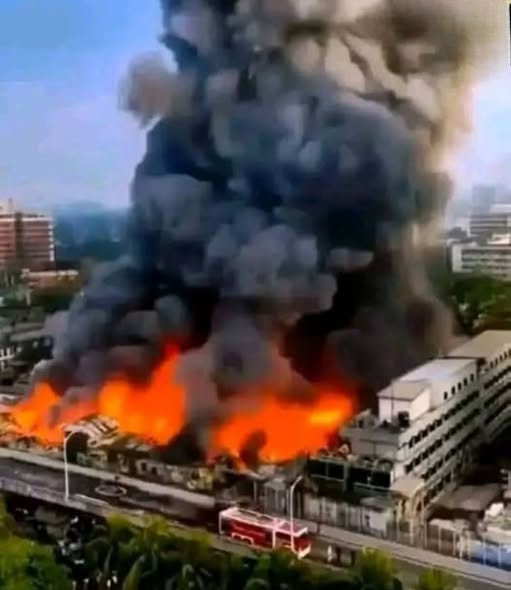
What Happened at the Biscuit Factory
The fire broke out around 4:00 a.m. at the facilities of the Violanta biscuit factory, located near Trikala, approximately 200 miles north of A

thens. According to official briefings reported by Greek media and international news agencies such as Reuters, emergency services were alerted after a fire was detected inside the industrial complex.
Authorities confirmed that 13 individuals were present at the facility during the overnight shift. Eight people were able to exit the premises safely. Four bodies were later recovered from the site after firefighters gained access to affected sections of the building. One additional worker was initially reported missing as search operations continued in the aftermath.
The Hellenic Fire Service deployed approximately 40 firefighters and 15 vehicles to the scene. Crews worked to control the blaze and stabilize parts of the structure that had been compromised by the fire. Thick smoke was visible across the surrounding area, and flames were reported along sections of the factory roof.
Emergency Response and Hospitalizations
Emergency responders transported several individuals to nearby medical facilities for evaluation and treatment. Greek authorities reported that seven people, including a firefighter, required hospital care following the incident. Medical officials have not released detailed information about the conditions of those hospitalized, but authorities have stated that the focus remains on ensuring proper medical support and recovery.
Firefighters continued operations for hours to ensure that the fire was fully extinguished and to assess structural damage. Industrial fires can pose additional risks due to machinery, stored materials, and potential structural instability, which often complicate rescue efforts.
Officials also implemented safety perimeters to prevent unauthorized access while investigations and recovery operations were underway.
Official Statement from the Company
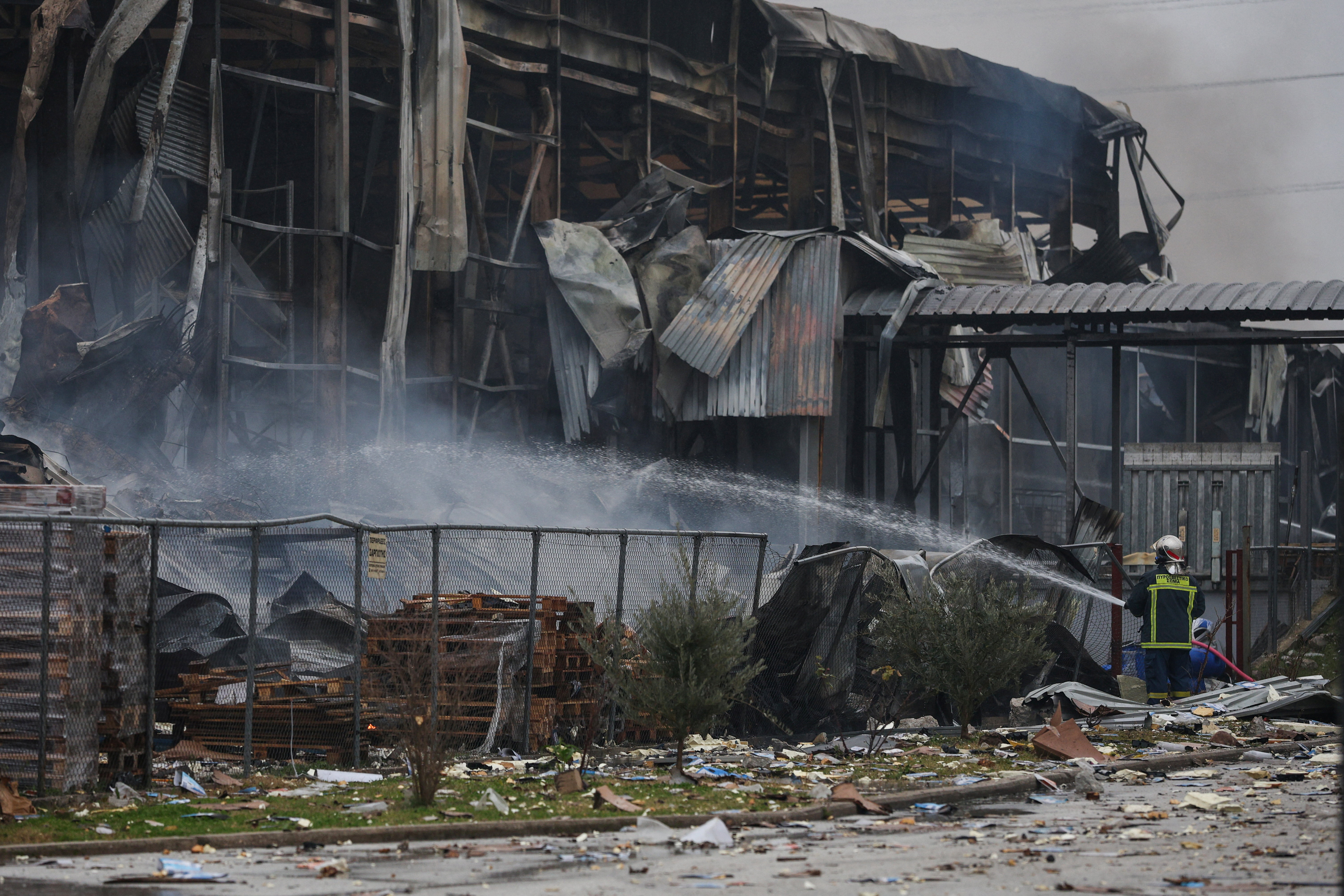
Violanta, the company operating the factory, released a public statement acknowledging the seriousness of the incident. The company confirmed that the fire occurred during the night shift and stated that the cause remains under investigation. Company representatives emphasized cooperation with authorities and expressed condolences to the families of the deceased workers.
The statement highlighted that supporting employees and their families is the company’s immediate priority. It also affirmed that Violanta is working closely with the Fire Department and other competent authorities to provide assistance and ensure transparency during the investigation process.
As of the latest updates, no official findings have been announced regarding the origin of the fire.
Investigation Into the Cause
Greek officials have made clear that the cause of the fire has not yet been determined. Early witness accounts cited by local media described hearing a loud sound prior to the outbreak of flames, but authorities have not confirmed whether an explosion was the initiating factor or a secondary effect of the fire.
Industrial fire investigations typically involve collaboration between fire investigators, structural engineers, and safety inspectors. These teams examine electrical systems, machinery, production lines, and stored materials to determine whether mechanical failure, electrical malfunction, or other causes contributed to the incident.
Workers reportedly informed authorities that there were no gas cylinders stored in the specific area where the fire began, though this detail remains part of the broader inquiry.
Investigators are expected to review surveillance footage, maintenance records, and safety compliance documentation as part of their assessment. Until official conclusions are released, authorities have cautioned against speculation.
The Role of Industrial Safety Regulations in Greece

Greece, like other European Union member states, operates under EU workplace safety directives designed to protect employees in industrial environments. These regulations require companies to maintain fire safety systems, conduct regular inspections, and provide employee training on emergency response procedures.
Industrial food manufacturing facilities typically include automated machinery, ovens, packaging lines, and storage areas. While modern facilities are equipped with fire suppression systems and safety mechanisms, industrial settings can still present risks due to heat-generating equipment and electrical infrastructure.
Following serious incidents, regulatory authorities often conduct comprehensive safety audits to determine whether all standards were met and whether improvements are necessary to prevent future occurrences.
It remains unclear whether the Violanta facility had recently undergone inspection or whether any prior safety concerns had been raised. Authorities have not released that information at this stage.
Community Reaction in Trikala
The tragedy has deeply affected the local community in and around Trikala. Industrial facilities often represent significant local employers, meaning that such incidents resonate widely across families and neighborhoods.
Local officials have expressed condolences to the victims’ families and have acknowledged the emotional toll on coworkers and residents. Municipal authorities are expected to coordinate with regional services to provide support resources to those impacted.
Community solidarity has been evident, with residents gathering information from official updates and expressing support for emergency responders who worked through the night to control the fire.
Understanding Industrial Fire Risks

Industrial fires can spread rapidly due to structural materials, ventilation systems, and the presence of combustible production materials. In food manufacturing plants, ingredients such as flour dust can, under specific circumstances, pose combustion risks if suspended in high concentrations and exposed to ignition sources. However, investigators have not indicated whether such factors were involved in this incident.
Fire safety experts note that prevention strategies typically include regular equipment maintenance, dust control measures, automatic detection systems, and clearly marked evacuation routes. Training programs are also essential to ensure workers understand emergency procedures.
The fact that eight individuals were able to evacuate safely suggests that some emergency protocols were successfully implemented. Nevertheless, the loss of life underscores the serious nature of industrial fire hazards.
National Attention and Media Coverage
Major news agencies, including Reuters, have reported on the incident, citing statements from Greek fire officials and company representatives. Media coverage has focused on confirmed facts, including casualty numbers, emergency response efforts, and the ongoing investigation.
Authorities have urged the public to rely on official announcements rather than unverified reports circulating on social media. In high-profile incidents, misinformation can spread quickly, making it essential to reference confirmed updates from reputable sources.
As the investigation progresses, further details are expected to be shared through official channels.
Support for Affected Families
In situations involving workplace fatalities, Greek labor authorities typically coordinate with employers and insurance bodies to ensure that affected families receive appropriate support under national labor and compensation laws.
The company’s statement indicates a commitment to assisting families during this period. While specific compensation details have not been publicly disclosed, European labor frameworks generally include provisions for financial and legal support in cases of workplace fatalities.
Counseling and psychological services may also be made available to coworkers and families dealing with the emotional impact of the event.
What Happens Next
The next phase involves a detailed forensic and technical review of the factory site. Investigators will evaluate structural damage, electrical systems, and production equipment to determine the sequence of events leading to the fire.
Authorities may also examine whether any regulatory changes or safety enhancements are necessary to reduce the risk of similar incidents in the future.
Industrial safety experts emphasize that lessons learned from investigations often contribute to improved standards across the sector, reinforcing prevention measures nationwide.
A Somber Reminder: The Trikala Factory Fire and Its Lasting Impact on Workplace Safety Awareness
The tragic loss of four workers in the factory fire in Trikala stands as a deeply sobering reminder of the risks that can still exist within industrial environments, even in countries and workplaces where strict safety regulations are in place. While modern industry is built on systems designed to protect workers, prevent accidents, and ensure rapid emergency response, incidents like this highlight the reality that no system is entirely without vulnerability.
As investigations into the fire continue, official information remains limited, with authorities focusing primarily on confirming casualty numbers, documenting the sequence of events, and collecting evidence from the site. Emergency response teams were reportedly dispatched quickly to the scene, working under extremely difficult conditions as they attempted to contain the fire and secure the area. Despite their efforts, the severity and rapid spread of the blaze resulted in a devastating outcome.
For the families of the four workers who lost their lives, the incident represents an unimaginable tragedy. In a matter of moments, ordinary work routines were replaced by chaos, uncertainty, and irreversible loss. The emotional impact on relatives, colleagues, and the wider community is profound, as they come to terms with the sudden absence of loved ones who left home expecting a normal day at work.
Authorities have confirmed that a full investigation is underway to determine the exact cause of the fire. This process is expected to involve multiple stages, including forensic examination of the site, analysis of equipment and safety systems, and interviews with witnesses and personnel who were present at the time. Investigators will also assess whether safety protocols were followed correctly and whether any technical or human factors contributed to the incident.
At this stage, however, no definitive conclusions have been publicly released. Officials have urged caution against speculation, emphasizing the importance of relying on verified information rather than assumptions or unconfirmed reports. This approach is critical in ensuring that the investigation remains accurate, fair, and transparent.
The factory itself, like many industrial facilities, likely operated under a set of safety regulations intended to minimize risks associated with machinery, flammable materials, and complex production systems. These regulations typically include fire prevention measures, emergency evacuation procedures, regular inspections, and staff training programs. However, even with such safeguards in place, industrial accidents can still occur when multiple risk factors align in unexpected ways.
In the aftermath of the tragedy, attention has naturally turned toward workplace safety standards and enforcement. Incidents like the Trikala factory fire often prompt broader discussions about whether existing safety protocols are sufficient, whether they are consistently enforced, and whether additional measures could help prevent similar events in the future. These conversations are not limited to one facility or one country, but instead reflect a global concern about occupational safety in industrial sectors.
Workers in manufacturing and industrial environments often face a variety of potential hazards, ranging from machinery-related injuries to exposure to heat, chemicals, or electrical systems. While safety training and equipment are designed to reduce these risks, the effectiveness of such measures depends heavily on proper implementation, maintenance, and oversight. Even small failures in safety systems can sometimes lead to serious consequences when combined with unpredictable circumstances.
Emergency response efforts in Trikala have been described as swift and coordinated, with firefighters and rescue teams working urgently to control the blaze and prevent further damage. Their efforts highlight the critical role that first responders play in limiting the scale of industrial disasters. In many cases, their actions not only help contain physical damage but also ensure that additional lives are not put at risk.
As the investigation continues, the focus has also shifted toward supporting the families affected by the tragedy. In situations like this, emotional, financial, and psychological support becomes essential. Communities, local authorities, and employers often play a role in providing assistance, whether through counseling services, compensation mechanisms, or public expressions of solidarity.
The company involved has issued statements expressing condolences to the families of the victims and affirming cooperation with the ongoing investigation. Such statements are a standard part of corporate response in the aftermath of industrial incidents, but they also carry significant weight for those directly affected. For families grieving the loss of loved ones, acknowledgment and accountability are important steps in the long and difficult process of healing.
Beyond the immediate tragedy, the fire raises broader questions about industrial risk management and prevention. Experts in occupational safety often emphasize that preventing such incidents requires a combination of strong regulation, continuous training, regular maintenance, and a workplace culture that prioritizes safety above productivity pressures. When any of these elements are weakened, the overall system becomes more vulnerable.
Public awareness also plays an important role. When industrial accidents occur, they serve as reminders not only for companies and regulators but also for society as a whole about the importance of workplace safety. These events often lead to renewed discussions about policy improvements, investment in safer technologies, and stricter compliance monitoring.
As Greece awaits further findings from the investigation, there is a shared expectation that the process will be conducted thoroughly and transparently. The goal is not only to determine what happened in this specific case but also to identify lessons that could help prevent similar tragedies in the future. Transparency in such investigations is essential for building trust between the public, authorities, and industry stakeholders.
In the meantime, the community in Trikala continues to reflect on the lives lost. Vigils, messages of condolence, and public expressions of grief have become part of the collective response, demonstrating the deep human impact of the incident. Beyond statistics and official reports, the tragedy is defined by the individuals who lost their lives and the families who must now carry their memory forward.
Industrial incidents like this one serve as powerful reminders of the importance of vigilance in workplace safety. They underscore the reality that safety is not a one-time achievement but an ongoing responsibility that requires constant attention, adaptation, and commitment. Every procedure, inspection, and training session plays a role in reducing risk and protecting lives.
As more information becomes available in the coming weeks, it is expected that a clearer picture of the circumstances surrounding the fire will emerge. Until then, the focus remains on honoring the victims, supporting those affected, and ensuring that the investigation provides answers that are both accurate and meaningful.
Ultimately, the Trikala factory fire stands as a tragic reminder that behind every industrial system are human lives, and that protecting those lives must always remain the highest priority.









Leave a Reply