
President Donald Trump says he is heading to the White House Situation Room to make a “final determination” — apparently on the memorandum of understanding to extend the ceasefire with Iran and reopen the Strait of Hormuz.
A high-stakes decision with global consequences could be just hours away.
President Donald Trump has announced that he is heading to the White House Situation Room to make what he described as a “final determination” regarding a proposed agreement involving Iran, a ceasefire extension, and the reopening of one of the world’s most important shipping routes.
The announcement immediately drew international attention, with governments, financial markets, and military analysts closely watching for any sign of what comes next.
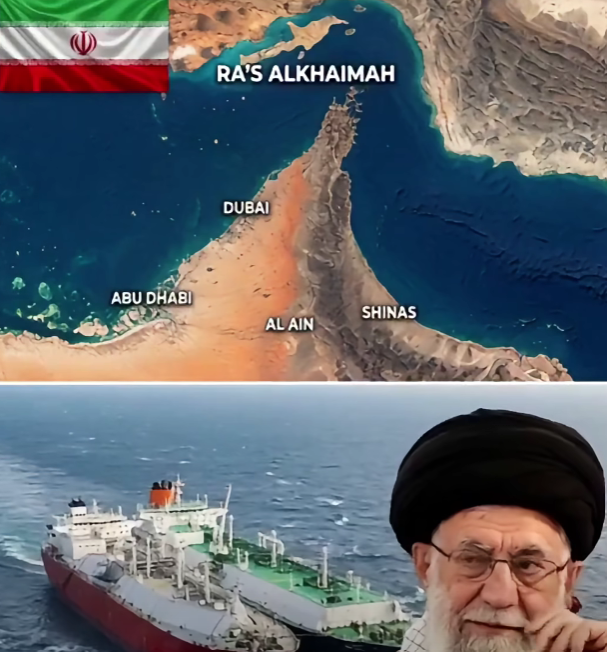
At the center of the discussions is a memorandum of understanding that would reportedly extend the current ceasefire between the United States and Iran while reopening the Strait of Hormuz, a narrow but strategically critical waterway through which a significant portion of the world’s oil supply passes. Recent disruptions in the region have heightened concerns about global energy prices, international trade, and the possibility of broader conflict.
Trump revealed the development in a statement that suggested negotiations had reached a critical stage. While several elements of the proposed arrangement have reportedly been discussed for weeks, the president indicated that the final decision now rests with him and his national security team.
According to reports, the proposed agreement would extend the ceasefire for an additional 60 days, creating a window for further negotiations on long-standing disputes between Washington and Tehran. One of the key goals would be restoring safe and unrestricted navigation through the Strait of Hormuz, which remains one of the most strategically important waterways on the planet.
The issue has become particularly significant because any disruption in the strait has the potential to affect global oil markets almost immediately. Even rumors surrounding negotiations have been enough to trigger reactions from investors and governments worried about economic instability.
Trump has repeatedly emphasized several conditions that he believes must be included in any final agreement. Among them are assurances that Iran will not pursue nuclear weapons and commitments related to maritime security in the region. The president has publicly stated that these issues remain central to his decision-making process.
However, despite optimism from some officials, significant uncertainty remains.
Several lawmakers from both political parties have expressed frustration that the full details of the memorandum have not yet been released publicly. Questions remain about enforcement mechanisms, timelines, sanctions relief, and what obligations each side would be required to fulfill. Critics argue that approving an agreement without broader transparency could create political and diplomatic complications later.
Even within the administration, reports suggest there have been differing opinions regarding the deal. Some officials reportedly see the agreement as an opportunity to stabilize the region and reduce the risk of further military escalation. Others remain skeptical about whether Iran will ultimately follow through on all of its commitments.
The stakes could hardly be higher.
The Strait of Hormuz has long been viewed as one of the world’s most important geopolitical flashpoints. Any agreement that successfully keeps the waterway open could help ease concerns about global energy supplies and reduce fears of a broader regional conflict. Conversely, if negotiations collapse, tensions could quickly rise again, potentially affecting economies far beyond the Middle East.
International observers are also paying close attention because the proposed memorandum is reportedly only the beginning of a much larger process. While the ceasefire and reopening of the strait may be immediate priorities, more complicated issues—including Iran’s nuclear program and future sanctions arrangements—would likely require months of additional negotiations.
For now, all eyes are on the Situation Room.
Trump’s decision could shape the next chapter of U.S.-Iran relations, influence global energy markets, and determine whether recent diplomatic efforts lead to lasting progress or another period of uncertainty.











Leave a Reply