
Our bodies tell stories that words sometimes cannot express. Every step, every movement, and every stance becomes a quiet form of communication. Whether we’re standing tall, sitting relaxed, or walking with energy, our physical presence often reflects our inner world. The way we hold ourselves can reveal confidence, composure, or even the state of our emotions. Among the most symbolic parts of the body are the legs—our foundation, our source of mobility, and a metaphor for forward movement in life.
Across centuries and cultures, posture and body alignment have been seen not as indicators of worth, but as expressions of energy, balance, and inner strength. From ancient Greece to modern psychology, thinkers have explored the deep connection between mind, body, and self-awareness.
This article invites you to reflect on how your posture, gait, and overall stance can mirror aspects of your confidence and mindset. It’s not about judgment or perfection—it’s about understanding how physical presence and mental state intertwine in the dance of daily life.
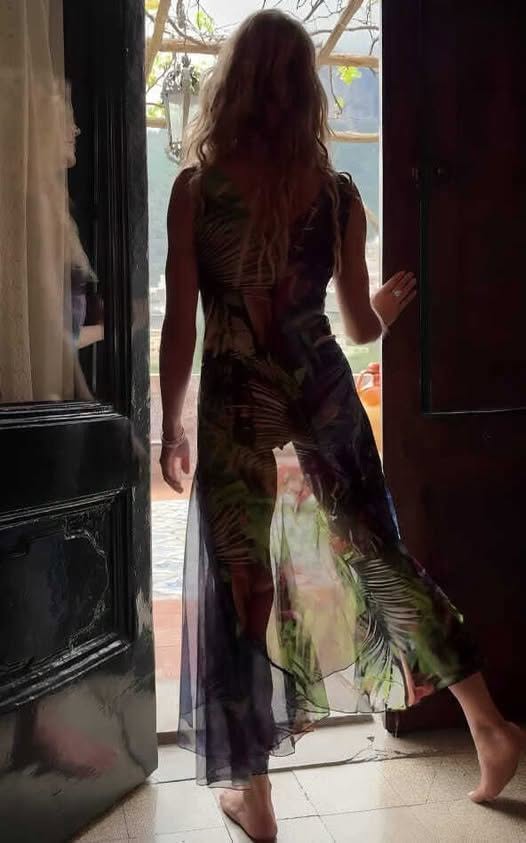
Posture is more than just how we stand; it’s how we show up in the world. Walking with your head high and shoulders relaxed radiates assurance. In contrast, a slouched position might suggest exhaustion or emotional heaviness. The body mirrors what we feel inside, often before we even realize it.
Studies in psychology and neuroscience demonstrate that body language doesn’t only affect how others see us—it also affects how we perceive ourselves. “Power posing,” for instance, can stimulate feelings of confidence and readiness. When you physically align yourself in a confident stance, your brain reinforces the mindset that follows.
In this way, posture becomes more than a habit—it becomes a practice. It’s a reminder that how we hold our bodies can influence how we hold our thoughts.
2. Legs as a Symbol of Strength and Direction
Our legs are not just physical supports—they symbolize the path we take in life. They represent progress, endurance, and movement toward goals. While leg shapes and alignments vary among individuals, each carries its own kind of beauty and energy. Instead of focusing on form, think about what that alignment communicates metaphorically.Some may stand naturally close-footed, reflecting steadiness and unity. Others might have a looser stance, symbolizing openness and independence. None is superior—each expresses a different rhythm of life.
3. Movement: The Expression of Inner Energy
If posture is the body’s still voice, then movement is its song. The way a person walks, gestures, or shifts weight reveals subtle aspects of mood and emotion.
People Search
Smooth, steady movement often reflects peace of mind and clarity of purpose. Quick, lively steps might express enthusiasm, while slower, deliberate motion could indicate careful thought. Every rhythm is valid—it’s simply another way the body narrates how we feel.
Cultures around the world have long recognized this connection. In classical Indian dance or Japanese Noh theater, leg and foot movements carry symbolic meanings tied to emotion and spirituality. Even today, how we move remains one of the clearest indicators of our mental and emotional alignment.
4. Confidence: The Inner Posture That Shapes Outer Presence
True confidence doesn’t come from how our bodies look but from how comfortable we are within them. Confidence is a state of being at peace with ourselves—a quiet certainty that doesn’t depend on comparison or validation.
Dictionaries & Encyclopedias
A confident person doesn’t need to dominate space; they simply occupy it with authenticity. They walk with purpose, speak with clarity, and radiate an energy that draws others in naturally.
Developing this kind of self-assuredness is a gradual process. It begins with mindful awareness and small daily practices:
- Mindful posture: Pause during your day to align your body, take a deep breath, and release tension.
- Positive body dialogue: Replace criticism with gratitude. Appreciate what your body enables you to do.
- Movement awareness: Notice how your walking pace changes with your emotions—then adjust intentionally to feel centered.
Confidence, then, is not about striving for a perfect image. It’s about nurturing harmony between body and mind.
5. A Glimpse into History: How Cultures View Posture and Movement
Throughout history, body alignment and stance have fascinated philosophers, healers, and artists. Ancient Greek scholars associated symmetry with moral and emotional balance. In Chinese traditions, the lower body was believed to connect humans to the earth, symbolizing perseverance and grounded energy.
Photo sharing platform
African and Indian cultures similarly revered the legs as a symbol of strength and connection to the natural world. Dancers, warriors, and travelers all honored the power of movement as an expression of vitality.
These ideas weren’t about perfection but balance. They encouraged people to see the body as a reflection of life force—a living canvas that tells stories of resilience, spirit, and transformation.
6. The Science of Presence and Body Awareness
Modern psychology supports what ancient wisdom long suggested: the way we hold our bodies influences the way we think and feel.
Research in embodied cognition shows that adopting upright, open postures can increase alertness, confidence, and even positive mood. Meanwhile, closed or tense positions may heighten stress and self-consciousness.
Dictionaries & Encyclopedias
Body language plays a major role in first impressions, communication, and even success in leadership or social situations. But the goal isn’t to manipulate appearance—it’s to cultivate authenticity.
By becoming aware of your posture during emotional highs and lows, you gain insight into your mental state. Awareness is the first step toward balance. When you consciously adjust your posture, you can shift your inner energy as well.
7. The Art of Expression: Style, Movement, and Identity
Every individual expresses identity not only through words but also through movement, fashion, and presence. The way you walk, dress, and gesture communicates values, confidence, and creativity.
A person who walks briskly after a morning jog might project discipline and health awareness. Another who glides elegantly in formal attire could express professionalism and self-control. Both are equally valid expressions of individuality.
People Search
The secret lies in alignment—not physical symmetry, but harmony between who you are and how you show up. Your natural posture, movement, and style tell the world your story without a single word.
8. Letting Go of Comparison: Building a Healthy Self-Image
In the modern world of social media and visual filters, comparison has become a common struggle. Many people unintentionally evaluate their worth through the lens of appearance. Yet, confidence and fulfillment come not from comparison but from acceptance.
Instead of asking, “How do I look?” shift the focus to “How do I feel in my body?” or “How does my body help me live the life I want?”
Your legs, your stance, and your posture are gifts that support you in every challenge. They carry you through moments of joy and resilience. By appreciating your body for what it enables—not how it appears—you nurture gratitude and strength.
Self-acceptance transforms posture naturally. When you feel at ease with yourself, your movements soften, your shoulders open, and your energy brightens.
9. The Psychology of Walking: What Gait Communicates
Walking might seem ordinary, but it’s a profound act of self-expression. Researchers studying gait have found that our walking style can subtly influence how others perceive us. For example, brisk strides might be associated with purposefulness, while gentle, rhythmic steps can reflect patience and calm.
However, these observations are not rigid rules—they’re gentle mirrors. The key is not to fit a pattern but to notice your own rhythm. Are you rushing through life, or are you walking with awareness?
Your gait can serve as a metaphor for your journey: sometimes fast and focused, other times slow and reflective. Both have value.
10. The Symbolism of Legs: A Metaphor for Life’s Journey
Legs are the pillars that carry us through life’s ups and downs. Symbolically, they represent endurance, direction, and courage. Each step—whether light or heavy—is a mark of perseverance.
Our legs remind us that strength isn’t just physical; it’s emotional and spiritual. They keep us grounded while helping us move forward. Regardless of their shape, size, or structure, they embody the essence of progress.
Dictionaries & Encyclopedias
Walking, in this sense, becomes a metaphor for personal evolution. Every journey begins with a single step, and each stride brings us closer to self-understanding.







Leave a Reply