
The room went silent when he said it. Reporters stared back, some stunned, some already typing, as Donald Trump promised the press was “going to change.”
Not policy. Not war. Them. Their work. Their future. In that moment, the line between criticism and open retaliation snapped —…CONTINUE READING BELOW
and every journalist knew someth… Continues…
A free press cannot afford to treat that kind of threat as just another outrageous soundbite.
The first response must be radical clarity: explain, relentlessly, to the public why an independent press exists,
who it protects, and how quickly democracies erode when leaders decide which stories are “allowed.”
Journalists must show their work, tighten standards, correct fast, and then stand even firmer when power pushes back.
The second response is solidarity. Newsrooms that normally compete need to link arms: shared statements,
joint investigations, coordinated legal defenses, and unwavering refusal to accept gag orders,
blacklistings, or access-for-obedience deals. Press freedom groups,
local outlets, and national giants should act as one ecosystem, not isolated brands.
When a president hints the rules will change, the press must answer with a simple, united message:
the Constitution says otherwise — and we’re not moving.
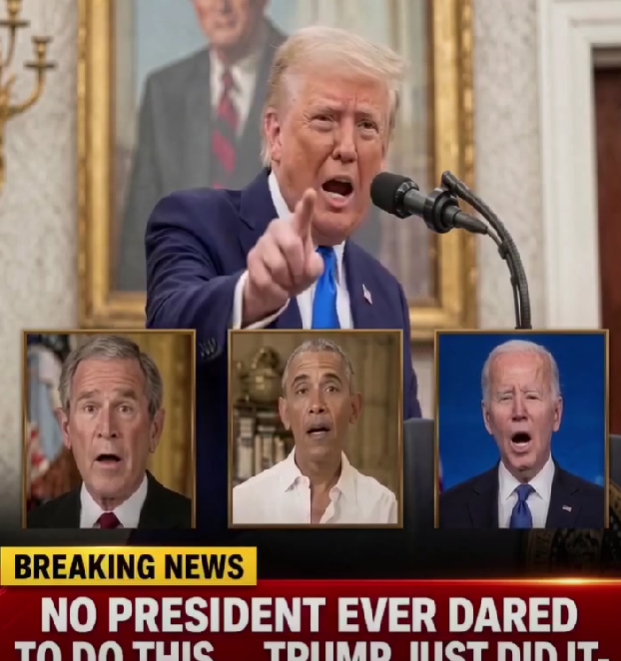
Reporters looked up. Some appeared stunned, while others immediately began typing. The president had not been talking about a new policy, a foreign conflict or an economic announcement. His words were directed at something much closer to home: the press itself.
“You’re going to change,” Trump told reporters, according to a September 2026 account of the exchange.
It was a short statement, but it landed heavily inside a profession already accustomed to years of confrontation with the president and his administration.
For journalists covering the White House, the question was no longer simply whether the president disliked a particular story or disagreed with a particular outlet. The bigger question was what happens when political power begins trying to reshape the conditions under which journalism is carried out.
That question has become increasingly difficult to ignore.
In September, the Trump administration barred CNN, Politico and MS NOW from White House access, saying the organizations engaged in what the president characterized as “fake news.” The move immediately triggered a broader debate over how presidential administrations can control access to the White House and whether restricting access can influence how journalists do their jobs.
The White House has argued that changes to press access are not unprecedented and has pointed to actions taken under previous administrations. FactCheck.org, however, reported that the September 2026 restrictions went beyond the policies cited by the administration in several important respects.
That disagreement is at the heart of the controversy.
Presidents have always criticized journalists. Reporters have always challenged presidents. Political leaders have complained about headlines, demanded corrections and accused media organizations of bias. None of that is new.
What makes the current moment particularly significant is the growing dispute over access itself.
If journalists can lose access because their reporting angers those in power, what does that mean for the independence of the press? And if news organizations become worried that aggressive reporting could result in exclusion, legal battles or other consequences, does that change the way stories are investigated and published?
Those are not merely questions for journalists.
They are questions for the public.
A free press exists in part because citizens cannot personally witness everything their government does. Reporters attend meetings, examine documents, question officials and investigate decisions that might otherwise remain hidden. Their work can be imperfect, and individual outlets can make mistakes. But the principle of independent scrutiny is larger than any single newsroom.
Recent events have placed that principle under extraordinary pressure.
In July, hundreds of former journalists and eight press-freedom organizations urged the White House Correspondents’ Association to respond forcefully to what they described as attacks on journalists and press freedom. Their concerns included government subpoenas involving reporters and threats involving broadcasters’ licenses.
Meanwhile, a 2026 Reuters Institute report described growing concerns about press freedom in the United States, including tensions between the Trump administration and journalists.
Public opinion is also divided.
A Pew Research Center survey conducted in June 2026 found that 44% of U.S. adults believed the press had become less free during the Trump administration, while 12% believed it had become more free, 26% saw no change and 17% were unsure. The partisan differences were substantial.
That division makes the role of journalism even more complicated.
The answer cannot simply be louder headlines or more dramatic confrontations. Journalists have a responsibility to show their evidence, explain how they know what they know, distinguish confirmed facts from allegations and correct mistakes quickly.
But independence also means continuing to ask uncomfortable questions when those questions lead directly toward powerful people.
News organizations that normally compete with one another may increasingly find themselves facing similar legal and institutional challenges. That has already produced calls for greater coordination among journalists and press-freedom groups.
The principle is straightforward: access to government should not become a reward for favorable coverage.
At the same time, journalists must recognize that independence comes with obligations. Accuracy matters. Transparency matters. Fairness matters. Corrections matter. Trust cannot simply be demanded from an audience; it has to be earned through consistent standards.
And that may ultimately be the most important part of this entire confrontation.
The press does not protect democracy by becoming unquestionable. It protects its role by remaining accountable while refusing to become controlled.
Trump’s relationship with the media has always been combative, but the latest disputes have moved the argument beyond individual headlines and into a much larger debate over access, government power and the First Amendment.
The room may have gone quiet when Trump said the press was going to change.
But outside that room, the question is anything but quiet.
What happens when the people responsible for questioning power are themselves being told that their work must change?
For journalists, the answer will be determined not by one headline, one president or one administration, but by what they choose to do when the pressure arrives.
And for the public, the stakes are simple: without independent reporting, citizens have fewer ways to see what their government is doing.





Leave a Reply