
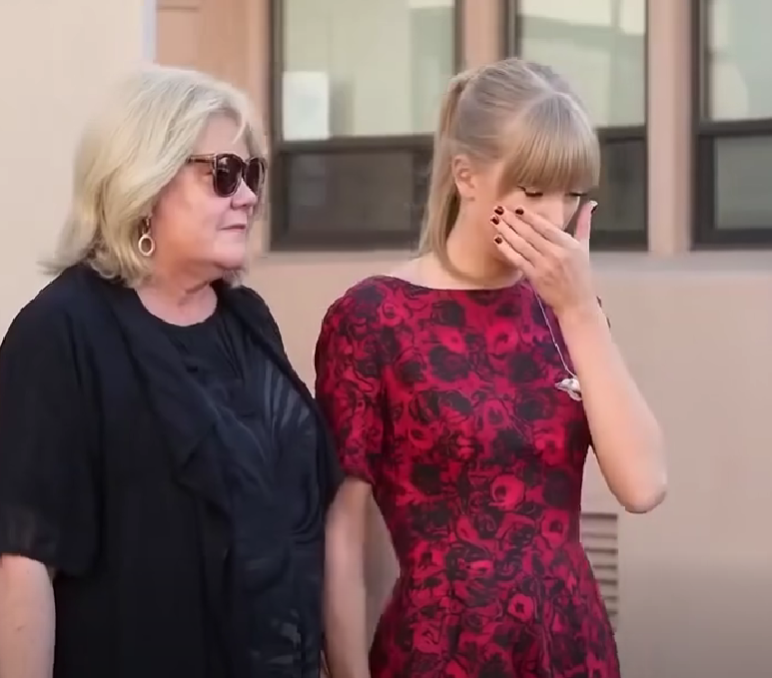
In a heartfelt Instagram post just moments ago, Taylor Swift revealed that she has tested positive for COVID-19, forcing her to postpone tonight’s highly anticipated Eras Tour show in Chicago. The 34-year-old superstar shared the news with fans alongside a teary selfie, writing, “I’ve been dodging this for four years, but it finally got me. I’m so sorry to let you down.” Swift, who has never canceled a show due to illness in her 17-year career, called the decision “devastating” but emphasized the need to protect her crew, dancers, and fans.
The positive test comes amid Swift’s record-breaking global tour, which has already faced weather delays and logistical hurdles. Insiders say she began feeling “achy and exhausted” after last night’s three-hour performance but initially chalked it up to tour fatigue. When a rapid test confirmed the diagnosis this morning, her team scrambled to reschedule the Chicago dates while implementing strict testing protocols for staff. “Every single band member, backup singer, and truck driver is being screened,” a source close to the tour told Variety. “Taylor’s livid—not for herself, but at the idea of anyone else getting sick.”
Fans flooded social media with support, sharing the hashtag #GetWellSoonTaylor alongside clips of her pushing through past performances with injuries and illness. Fellow artists like Selena Gomez and Ed Sheeran—both COVID survivors—immediately reached out privately. “Welcome to the worst club ever,” Sheeran reportedly joked, referencing his own 2021 tour postponement. Meanwhile, epidemiologists praised Swift’s transparency, noting her influence could boost testing awareness as summer travel spikes. “Celebrities normalizing caution saves lives,” tweeted Dr. Eric Ding.
The rescheduled Chicago shows are tentatively set for late August, with refunds offered for those unable to attend. In her post, Swift promised “double the pyro and triple the surprises” to make it up to fans. But for now, the pop icon is under strict orders to rest—no songwriting, no rehearsals, just *”tea, All Too Well (10-minute version) on loop, and my cats,”* she wrote. As one fan perfectly summarized: “Even superheroes get sick. Take your time, Swifties aren’t going anywhere.”
Taylor Swift has reportedly shared heartbreaking news with her fans after testing positive for COVID-19, prompting the postponement of a highly anticipated Eras Tour performance in Chicago. The alleged announcement, accompanied by an emotional selfie and an apology to her devoted audience, has sparked an outpouring of concern across social media, with fans sending messages of support and urging the global superstar to prioritize her health.
According to the account circulating online, Swift explained that she had managed to avoid the virus for several years before finally testing positive. The news reportedly came just hours before she was scheduled to take the stage, leaving her team facing the difficult decision of postponing the performance to protect the singer, her crew, and the thousands of fans expected to attend.
However, the story has not been independently verified, and readers should treat the specific claims about Swift’s diagnosis, Instagram post, and Chicago concert postponement as unconfirmed.
For an artist whose career has been defined by extraordinary performances, meticulous planning, and a remarkably close relationship with her audience, the possibility of missing a show would be an emotional moment. Swift has built a reputation for delivering ambitious concerts that combine elaborate staging, multiple costume changes, intricate choreography, and a setlist spanning different eras of her musical journey.
The Eras Tour, in particular, became a cultural phenomenon, attracting fans from around the world and transforming concert nights into unforgettable celebrations of music and community.
That is precisely why a last-minute postponement would carry such emotional weight for the Swifties who had spent months preparing for the experience.
An Emotional Message That Would Leave Fans Concerned
The circulating account describes Swift announcing her diagnosis through a heartfelt social media post, expressing regret about disappointing the people who had planned to attend the concert.
The message attributed to her reportedly included the words, “I’ve been dodging this for four years, but it finally got me. I’m so sorry to let you down.”
Although the authenticity of the post has not been established, the sentiment reflects a familiar challenge for touring musicians: balancing the desire to perform for fans with the responsibility to protect their own health and the well-being of everyone working behind the scenes.
For performers, canceling a concert is rarely a simple decision. A major stadium production involves hundreds of workers, including musicians, dancers, technicians, security personnel, transportation teams, and venue staff. Many of them spend weeks preparing for a single event.
Fans also make significant sacrifices to attend. Some travel long distances, book hotels, arrange time away from work, and save for months to purchase tickets. For many, a concert is not simply another evening out but a once-in-a-lifetime opportunity.
Nevertheless, illness can make performing impossible, and infectious diseases introduce additional concerns that extend far beyond the person who receives a positive test.
If a singer is contagious, continuing with a large event could potentially expose numerous people. Postponing a performance may therefore be the most responsible option, even when the financial and emotional consequences are substantial.
Why the Eras Tour Became Such a Global Phenomenon
Swift’s extraordinary connection with her audience has been one of the defining features of her career.
From her early country music beginnings to her evolution into one of the world’s most recognizable pop artists, she has cultivated a fanbase that follows her musical development closely. Each album represents a different chapter, and her concerts bring those chapters together in a single production.
The Eras Tour celebrates that journey, allowing audiences to revisit songs from different stages of Swift’s career while experiencing elaborate visual effects, carefully designed costumes, and extensive choreography.
Its popularity has extended well beyond traditional concert audiences. The tour has generated widespread discussion about the music industry, ticket prices, travel, local economies, and the cultural influence of major live events.
For many fans, attending a show means finally hearing a favorite song performed live or sharing an unforgettable evening with friends and family. Others see it as an opportunity to connect with people who share their love of Swift’s music.
That emotional investment helps explain why even an unconfirmed report about a postponement can spread rapidly online.
Yet the same enthusiasm that makes the tour special can also create pressure for artists to continue performing despite exhaustion, illness, or other difficulties.
A responsible touring schedule must recognize that performers are human beings, not machines capable of delivering the same demanding production every night without rest.
The Challenges of Touring While Protecting Everyone’s Health
Large-scale concert tours require extensive coordination. Artists travel between cities, perform in different venues, and work closely with large teams of people who may be exposed to different illnesses along the way.
Even when organizers implement sensible precautions, preventing every infection is impossible.
COVID-19 can produce a wide range of symptoms, from mild discomfort to serious illness. Symptoms may include fatigue, muscle aches, fever, coughing, and a sore throat, although some infected people experience few or no symptoms.
For someone expected to sing for several hours, dance, move across a large stage, and maintain a demanding performance schedule, even relatively mild symptoms could make a concert difficult.
Vocal performance places particular demands on the body. Singers need adequate breathing control, hydration, stamina, and concentration. Exhaustion or respiratory symptoms may interfere with those requirements, while attempting to push through illness can make recovery more challenging.
The circumstances described in the circulating story suggest that Swift allegedly began feeling exhausted and achy after a previous performance before receiving a positive test the following morning. Those details remain unverified, but they illustrate why touring artists need access to medical advice and the flexibility to change plans when necessary.
Protecting the wider touring team is equally important. Backup singers, dancers, musicians, and technicians work in close proximity during rehearsals, backstage preparations, and performances.
If an infection occurs, organizers may need to assess potential exposure, follow applicable health guidance, and determine whether adjustments are necessary.
The appropriate response depends on the circumstances, current public health recommendations, and medical advice rather than on an artist’s celebrity status.
Swifties Rally Around Their Favorite Artist
The emotional bond between Swift and her fans has repeatedly been visible during difficult moments.
Swifties are known for analyzing lyrics, sharing concert footage, exchanging friendship bracelets, and organizing online communities around the singer’s music. When concerning news about their favorite artist emerges, those communities can quickly become places for reassurance and encouragement.
In the scenario described by the unverified report, fans supposedly began sharing messages under the hashtag #GetWellSoonTaylor, encouraging Swift to rest rather than worry about the postponed performance.
The response would reflect a broader shift in how audiences think about live entertainment. Although concertgoers understandably want their events to proceed as planned, many also recognize that a performer should not be expected to work through a potentially contagious illness.
A postponement can be disappointing without being a failure.
For fans who have spent months looking forward to the concert, the most important thing may ultimately be knowing that the artist can return when it is safe and practical to do so.
Messages of support can also help counter the pressure performers sometimes feel to apologize repeatedly for circumstances outside their control.
After all, illness is not something anyone can completely control, and no amount of preparation can guarantee that a person will remain healthy throughout an extended tour.
What Would Happen to Postponed Concert Tickets?
Whenever a major concert is postponed, ticket holders naturally want to know what happens next.
The exact arrangements depend on the event organizer, venue, ticket provider, and any official announcement.
Typically, organizers communicate whether existing tickets remain valid for a rescheduled date or whether eligible ticket holders can request refunds. The policies and deadlines can vary, so attendees should rely on official ticketing channels rather than unverified social media posts.
The circulating account suggests that the Chicago dates could be moved to late August, with refunds available to people unable to attend the replacement dates. However, neither the proposed dates nor those refund arrangements should be treated as confirmed without an authentic announcement from the relevant organizers.
Fans who believe their concert has been affected should check the venue’s official website, their ticket provider’s account, and verified artist communications before making travel or accommodation decisions.
Anyone who has booked flights or hotels should also review the cancellation and change policies associated with those reservations.
Most importantly, fans should be cautious about unofficial messages requesting payment, ticket details, or personal information in exchange for refunds. Major event disruptions can create opportunities for scammers to target disappointed ticket holders.
A Reminder That Even the Biggest Stars Need Rest
One reason stories like this resonate so strongly is that they challenge the illusion that famous performers can somehow avoid ordinary human difficulties.
Swift’s public image is closely associated with extraordinary productivity. Her career has involved extensive touring, songwriting, recording, public appearances, and the constant demands of performing in front of enormous audiences.
But even the most successful entertainers have physical limits.
A three-hour concert is demanding under normal circumstances. Repeating that performance across multiple cities, while traveling between venues and maintaining rehearsals, requires careful preparation and recovery.
When illness enters the picture, those demands become even more complicated.
Taking time away from work is not a sign of weakness. In many situations, it is the most practical way to protect long-term health and avoid putting others at unnecessary risk.
The same principle applies to musicians, athletes, healthcare workers, teachers, and people in countless other professions. Responsibilities matter, but they do not eliminate the need to recover when someone becomes sick.
For fans, the possibility of a postponed concert may be upsetting, particularly if they have traveled far or waited years for the opportunity. Still, a rescheduled performance can offer another chance to experience the music, while continuing under unsafe conditions could create much more serious problems.
What Fans Should Know Before Sharing the News
Despite the emotional nature of the circulating account, the central claims remain unconfirmed: there is no established evidence here that Swift tested positive for COVID-19, published the quoted Instagram message, or postponed a Chicago performance for that reason.
The same caution applies to the alleged private messages from fellow musicians, the reported statements attributed to tour insiders, and the suggested rescheduling arrangements.
Viral entertainment stories can combine plausible circumstances with invented quotations, inaccurate dates, or details borrowed from unrelated events. A convincing headline or emotional social media caption does not establish that a report is true.
Fans looking for confirmation should consult Swift’s verified social media accounts, official tour announcements, and reputable news organizations before treating the claims as fact.
That does not diminish the importance of the underlying message. When performers become ill, audiences and organizers benefit from clear communication, reasonable precautions, and respect for everyone’s health.
Ultimately, the strongest relationship between an artist and an audience is not built on the expectation that every concert must happen regardless of the circumstances. It is built on trust, shared experiences, and the understanding that unexpected challenges are sometimes unavoidable.
For now, the reported diagnosis and Chicago postponement should be regarded as unverified rather than established news. If an official announcement confirms a change to Swift’s touring schedule, fans will have a clearer picture of what happened and what steps they need to take next.










Leave a Reply