
A rapidly developing situation has led authorities to issue a clear directive: avoid a designated high-risk area until further notice. What began as a contained response has expanded into a coordinated, multi-unit operation, signaling that officials are treating the situation with heightened caution.
What Happened
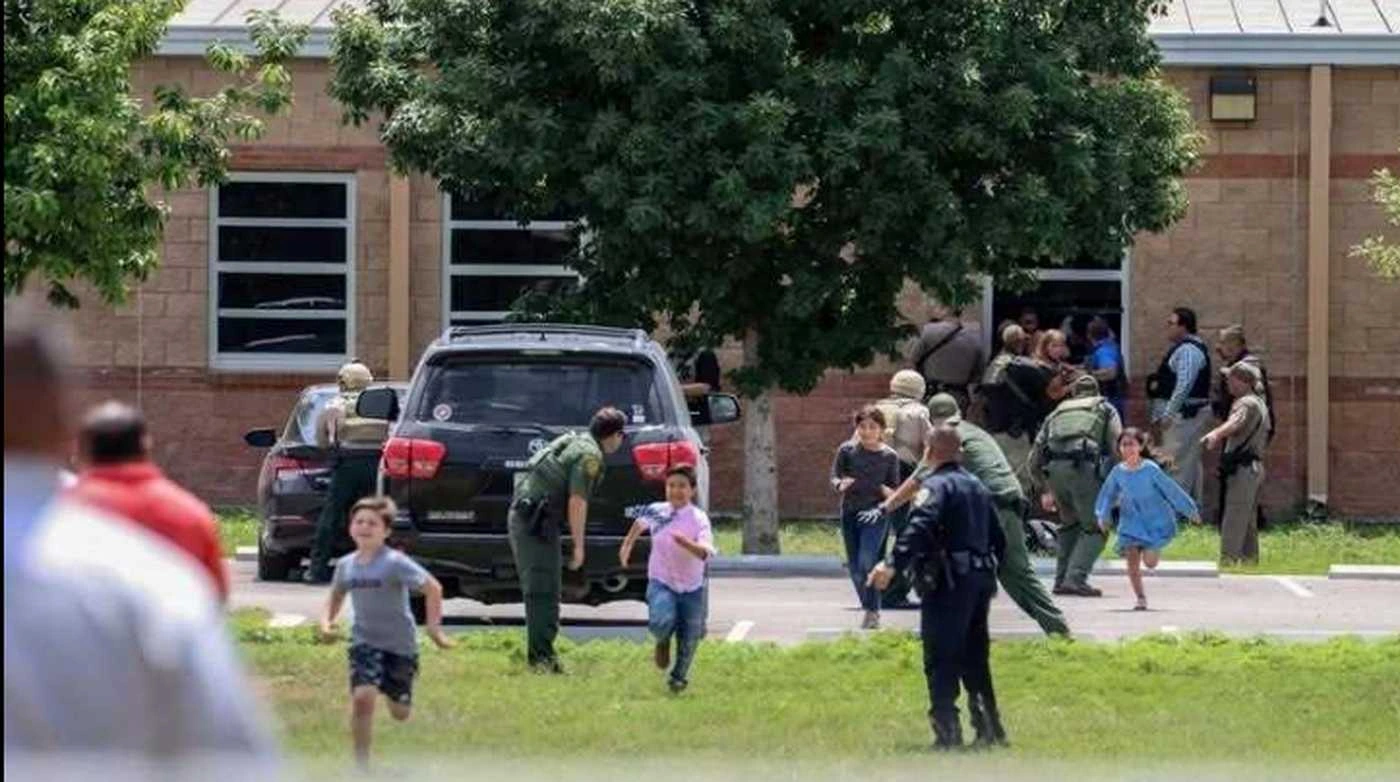
Law enforcement and emergency services have established a wide security perimeter. Roads are closed, public transport routes are disrupted, and access is restricted to essential personnel only. These measures are not arbitrary—they are intended to reduce exposure while the situation is still active and not fully resolved. The visible presence—patrol cars, specialized units, and command vehicles—may feel overwhelming, but it reflects preparation rather than panic. When uncertainty is high, containment becomes the first line of protection.
Guidance for Residents and Commuters
Stay clear of the restricted zone. Follow instructions from authorities on the ground. Remain indoors if you are within the affected area. Use verified sources for updates; avoid spreading unconfirmed information. These steps are simple, but they matter. In moments like this, unnecessary movement or speculation can create additional risk.
The Reaction
Officials are sharing updates carefully, balancing transparency with the need to protect the operation. While specific details about the threat have not been released, the emphasis remains consistent: resolve the situation safely, without escalating harm to civilians or responders.
Local routines have been disrupted. Businesses are temporarily closed, and daily movement has been altered. It’s an inconvenience, but a measured one—intended to prevent something worse.
What This Means
The outcome is still uncertain, and patience is required. Situations like this rarely unfold as quickly as people would prefer. What matters is that each step is taken deliberately, not reactively.
Moments of uncertainty test how a community responds—not just through official action, but through individual behavior. Staying calm, respecting boundaries, and relying on clear information are small choices that carry real weight. For now, keep distance from the area, stay attentive to official guidance, and allow those responsible to do their work without interference.
An urgent public safety warning has drawn attention to a developing situation after authorities instructed people to stay away from a designated high-risk area until further notice. What initially appeared to be a contained response has since expanded into a coordinated operation involving multiple emergency and law enforcement units, with officials taking additional precautions while efforts to resolve the situation continue.
The warning has prompted questions from residents and commuters, particularly as road closures, restricted access and disruptions to public transport begin affecting everyday routines. Although specific details about what prompted the operation have not been publicly established in the information available, the scale of the response indicates that officials are treating the situation cautiously.
For people living, working or travelling near the affected area, the message is clear: avoid unnecessary movement, follow official instructions and do not attempt to enter restricted zones.
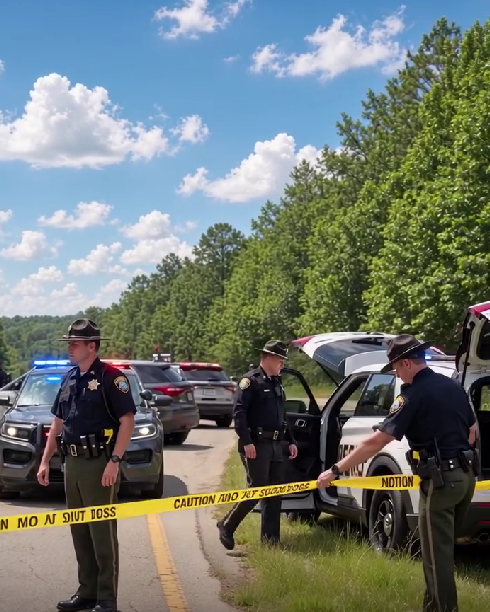
A Major Response as Authorities Secure the Area
The situation has led to the establishment of a broad security perimeter, with access limited to authorised personnel and those carrying out essential duties.
Law enforcement officers and emergency responders have been positioned around the affected area as officials work to manage the developing situation. Patrol vehicles, specialist units and command vehicles may be visible, creating a significant presence that is difficult for nearby residents to ignore.
For those unfamiliar with emergency operations, such a response can understandably raise concerns. However, the presence of multiple units does not, by itself, establish the nature or severity of the underlying incident.
Security perimeters are commonly used to keep members of the public away from potential hazards, preserve safe working conditions for emergency personnel and prevent unauthorised access while responders assess the circumstances.
Road closures and access restrictions can also help emergency vehicles move more efficiently, allowing personnel to reach the necessary locations without additional traffic or interference.
Officials have not provided enough confirmed information to establish every detail of the situation. Until further information becomes available, residents are being urged to treat the restrictions seriously rather than attempting to determine what is happening for themselves.
Road Closures and Transport Disruptions Affect Daily Life
One of the most immediate consequences of the operation is the disruption to normal movement around the affected area.
Closed roads can force drivers to change their routes, while restrictions on access may prevent people from reaching nearby businesses, workplaces or other destinations as planned. Public transport services may also face diversions or delays where routes pass through restricted locations.
For commuters travelling through the area, even a relatively short disruption can create a difficult situation, especially during busy periods when alternative routes are already congested.
Residents may also find themselves dealing with unexpected changes to their daily routines. Businesses could temporarily suspend operations, deliveries may be delayed and people attempting to reach appointments or collect family members may need to make alternative arrangements.
While these restrictions can be frustrating, they serve a practical purpose during an active emergency response. Keeping roads clear and reducing the number of people entering the area can help responders concentrate on the task at hand.
Anyone planning to travel nearby should check official traffic announcements and public transport updates before setting out. If authorities have closed a road or established a controlled access point, drivers should not attempt to bypass the restriction.
What Residents Should Do While the Situation Develops
Public safety guidance becomes particularly important when information is limited and circumstances may change quickly.
Authorities are advising people to remain clear of the designated area and follow instructions issued by emergency personnel. Anyone already within an affected location should pay attention to official directions and move to safety if instructed to do so.
Residents should avoid approaching the perimeter simply to observe the operation. Crowds gathering near restricted areas can obstruct emergency vehicles, interfere with the work of responders and potentially expose bystanders to risks they do not fully understand.
It is equally important to avoid sharing unverified claims online. During developing incidents, photographs, short video clips and second-hand accounts can circulate rapidly, sometimes accompanied by descriptions that have not been confirmed by reliable sources.
A post claiming to explain the entire situation may contain incomplete information, outdated footage or speculation presented as fact. Sharing such material without verification can increase confusion and cause unnecessary concern among people who live nearby or have family members in the area.
Instead, residents should look for updates from official emergency services, law enforcement agencies, local authorities and recognised public transport operators.
If an evacuation, shelter-in-place instruction or other specific safety measure is announced, people should follow the guidance applicable to their location.
Why Officials May Be Withholding Certain Details
One of the most difficult aspects of a developing emergency is the uncertainty surrounding what has happened and what may happen next.
People naturally want immediate answers. They may want to know what triggered the operation, whether anyone has been injured, how long the restrictions will remain in place and when normal transport services will resume.
However, authorities may not be able to answer every question immediately.
During an active operation, officials sometimes need time to assess the available information, coordinate different emergency teams and establish which details can safely be shared with the public. Releasing incomplete information too early can create confusion, while some operational details may need to remain confidential until the situation is resolved.
That does not mean every unanswered question should be treated as evidence of a more serious threat. Without verified information, assumptions about the cause of the incident or the intentions of those involved would be premature.
For now, the most reliable information is the practical guidance authorities have issued: stay away from the restricted area, respect closures and rely on confirmed updates.
A Community Faces an Uncertain Wait
For people nearby, the situation is not simply a matter of traffic delays or temporary inconvenience. Uncertainty can be stressful, particularly for residents who live close to the perimeter or individuals who are unable to contact someone who may be in the affected area.
Families may be checking messages, commuters may be trying to find alternative routes, and local businesses may be waiting for information about when they can safely reopen.
In moments like these, clear communication can make a meaningful difference. Even when authorities cannot provide every detail, practical updates about road access, transport changes and safety instructions can help people make informed decisions.
Residents can also help by checking on vulnerable neighbours when it is safe to do so, avoiding unnecessary travel and sharing verified public announcements with others who may be affected.
Anyone concerned about a relative or friend should use appropriate official contact channels rather than entering the restricted area in an attempt to locate them.
The priority remains the safety of the public and the emergency personnel working at the scene.
When Could the Restrictions Be Lifted?
At this stage, the duration of the restrictions remains uncertain based on the available information.
The reopening of roads and the restoration of public transport will depend on the circumstances of the incident and the decisions of the authorities managing the response. Even after the immediate situation has been brought under control, officials may need additional time to assess the area before allowing normal access to resume.
For that reason, residents should avoid relying on unofficial predictions about when the perimeter will be removed.
A road that appears quiet may still be subject to restrictions, and the departure of some emergency vehicles does not necessarily mean that the area is safe to enter. Only an official announcement should be treated as confirmation that access has been restored.
Until then, anyone travelling nearby should plan for possible delays and remain prepared to use alternative routes.
The Message Remains Clear: Stay Alert and Follow Official Guidance
The developing operation serves as a reminder of how quickly an emergency response can affect an entire neighbourhood, disrupting transport, businesses and everyday activities while authorities work to establish control of a situation.
Although important details remain unconfirmed, there is no need to fill the information gap with speculation. The most useful response is to take the safety warning seriously, keep a reasonable distance from the restricted zone and allow trained personnel to carry out their work without interference.











Leave a Reply