
BREAKING NEWS: Global Alert as Conflict Fears Rise
Governments worldwide have issued high-level alerts amid growing fears of a possible large-scale conflict. While details remain unclear, the strong language from officials suggests a highly tense and unstable situation.
Several countries have raised threat levels, activated emergency systems, tightened security, and restricted airspace. Military forces are on high alert, with troop deployments, naval movements, and increased aerial surveillance signaling serious preparedness.
At the same time, cyberattacks and misinformation concerns are rising, with some nations limiting online access to maintain control and prevent panic.
Despite the escalation, global leaders are urging calm and emphasizing that diplomatic efforts are still ongoing to avoid conflict.
Citizens are reacting with concern, leading to increased demand for essential goods, while authorities stress the importance of staying informed without panic.
Financial markets are also feeling the impact, showing volatility as uncertainty grows.
The situation remains fluid, and while tensions are high, it is still unclear whether this will escalate into full conflict or be resolved through diplomacy.
Growing fears of a possible large-scale international conflict have placed governments, military officials, and security agencies around the world on heightened alert, as an increasingly tense global situation raises questions about what could happen next.
Across multiple regions, authorities are reportedly reviewing emergency procedures, strengthening security measures, and monitoring developments closely. Although the full details surrounding the situation remain unclear, the increasingly serious tone of official statements has attracted international attention and sparked concern among millions of people.
For many observers, the biggest concern is not simply the possibility of another military confrontation, but the risk that a localized crisis could develop into something much larger, involving multiple countries and potentially affecting global stability.
As uncertainty continues to grow, governments are facing increasing pressure to prepare for different scenarios while making every effort to prevent tensions from escalating further.
Several Countries Strengthen Security Measures
One of the most significant developments surrounding the growing concerns is the heightened security posture being adopted by authorities in various parts of the world.
Governments are reviewing their national security arrangements, increasing surveillance, and preparing emergency response systems in case the situation deteriorates. In areas considered particularly sensitive, security agencies are paying closer attention to potential threats and monitoring developments around the clock.
Military establishments are also being closely watched, with reports of increased readiness, strategic planning, and greater attention to troop movements and military infrastructure.
Naval activity, aerial surveillance, and the positioning of military equipment have become important subjects of international discussion.
However, military preparedness does not automatically mean that a conflict is imminent. Countries frequently increase readiness during periods of uncertainty as a precautionary measure, particularly when diplomatic relationships become strained.
Nevertheless, the combination of heightened alerts and increasingly serious political statements has contributed to an atmosphere of uncertainty.
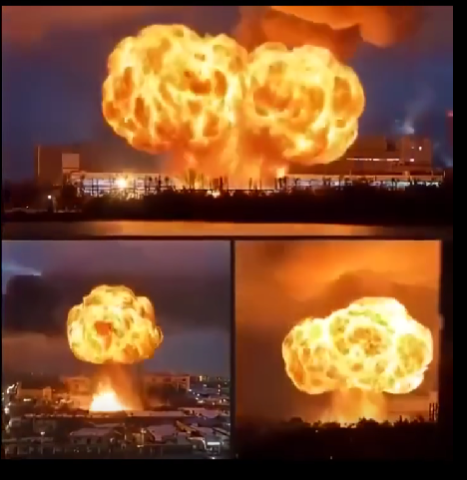
Airspace Restrictions and Emergency Preparations Raise Questions
Another issue attracting attention is the possibility of additional restrictions affecting international aviation and transportation.
When governments identify potential security risks, they can introduce temporary airspace restrictions, adjust flight routes, or issue warnings to airlines operating in sensitive regions.
Such decisions can have consequences far beyond the countries directly involved.
Commercial airlines may be forced to change established routes, increasing travel times and operational costs. Passengers could also experience cancellations, delays, and uncertainty when traveling through affected areas.
For international businesses, even temporary transportation disruptions can create significant logistical challenges.
Authorities are therefore expected to balance security concerns with the need to maintain essential transportation and international connections.
Emergency planning is also an important part of national preparedness. Governments regularly review procedures involving hospitals, emergency services, critical infrastructure, and public communications to ensure that they can respond effectively if circumstances change.
Cybersecurity Concerns Add Another Layer of Uncertainty
While military developments often dominate international headlines, cybersecurity has become another major concern during periods of geopolitical tension.
Modern conflicts are no longer limited to traditional battlefields. Digital infrastructure, government networks, financial institutions, telecommunications systems, and essential services can all become potential targets during international crises.
Cyberattacks can disrupt operations, expose sensitive information, and create confusion among the public.
Misinformation presents an equally serious challenge.
During uncertain international situations, unverified videos, misleading photographs, fabricated announcements, and exaggerated claims can spread rapidly across social media platforms.
A single misleading post can reach millions of people before reliable information becomes available.
This makes it increasingly important for citizens to distinguish between confirmed announcements and speculation circulating online.
Security experts frequently emphasize that people should rely on official government statements and established news organizations rather than sharing alarming information without verification.
World Leaders Continue Searching for a Diplomatic Solution
Despite growing concerns, diplomatic efforts remain an essential part of preventing a possible escalation.
International leaders understand that a major conflict could have consequences extending far beyond the countries directly involved.
Diplomatic communication, negotiations, international cooperation, and emergency discussions can all play important roles in reducing tensions.
Even when public statements become increasingly forceful, private diplomatic channels may remain active.
Governments can use these channels to exchange information, clarify intentions, discuss security concerns, and explore possible compromises.
The challenge is finding a solution that addresses national security interests without creating additional confrontation.
International organizations may also become involved in encouraging dialogue and preventing misunderstandings between governments.
For now, the central question remains whether diplomatic efforts will be sufficient to prevent the situation from developing into a more serious international crisis.
Financial Markets React as Uncertainty Grows
The economic consequences of geopolitical uncertainty can emerge even before any military confrontation takes place.
Financial markets are particularly sensitive to developments that could affect international trade, energy supplies, transportation networks, and investor confidence.
When uncertainty increases, investors may become more cautious, leading to fluctuations in stock markets, currencies, and commodity prices.
Energy markets can be especially vulnerable because concerns about transportation routes, production facilities, or international supply chains may influence expectations about future availability and prices.
Businesses may also reconsider investment decisions while monitoring the situation.
For ordinary families, prolonged instability could eventually affect the cost of transportation, food, energy, and other essential products.
However, market movements during periods of uncertainty do not necessarily indicate that a major conflict is inevitable. Investors often respond to expectations and potential risks rather than confirmed events.
Citizens Around the World Watch Developments Closely
As international headlines continue to attract attention, ordinary citizens are increasingly looking for reliable information about what the situation could mean for their countries and families.
Questions about travel, economic stability, public safety, and the possibility of further escalation are becoming part of everyday conversations.
In some places, uncertainty can encourage people to purchase essential household supplies or review emergency plans.
Authorities generally advise citizens to remain informed, follow official guidance, and avoid unnecessary panic.
Being prepared does not mean assuming the worst will happen. It means understanding where reliable information can be found and knowing how to respond if circumstances change.
Social media has also become a major source of discussion, with users sharing reactions, opinions, and concerns about the possibility of a wider international confrontation.
However, the speed at which information spreads online makes careful verification more important than ever.
Could the Situation Develop Into a Much Larger Conflict?
Perhaps the biggest question surrounding the current atmosphere of international uncertainty is whether the situation could eventually develop into a large-scale conflict.
There are several possible outcomes.
Diplomatic negotiations could reduce tensions and lead to agreements that prevent further escalation. Governments could maintain heightened security measures for an extended period without direct military confrontation.
Alternatively, unexpected developments, misunderstandings, or decisions made under pressure could make an already difficult situation more complicated.
History has demonstrated that international crises can sometimes develop in unexpected ways. However, it has also shown that diplomacy and international cooperation can prevent situations from reaching the point of open conflict.
At this stage, the available information does not establish that a worldwide conflict is inevitable or that countries are moving toward a confirmed declaration of war.
The distinction between precautionary military readiness, heightened security alerts, and an actual decision to enter a conflict is extremely important.
For millions of people watching developments, that distinction matters more than ever.
The World Waits for What Happens Next
As governments continue monitoring security developments and diplomatic discussions remain important, uncertainty surrounding the international situation is unlikely to disappear overnight.
The coming days could provide greater clarity about the seriousness of the concerns, the measures being considered by individual countries, and whether diplomatic efforts can prevent further escalation.
For now, authorities face the difficult task of preparing for potential risks without creating unnecessary alarm.
Military readiness, economic uncertainty, cybersecurity concerns, and diplomatic negotiations are all contributing to a situation that deserves careful attention.










Leave a Reply