
Shock rippled across social media today after alarming claims began circulating that former U.S. President Donald Trump had been “shot again” in Washington, D.C. The dramatic wording spread rapidly across platforms, sparking panic, speculation, and a flood of reactions from supporters and critics alike. Within hours, however, the truth behind the viral claim became clearer – and far less sensational than the rumors suggested.
What Happened
No agency, Secret Service statement, or hospital report has confirmed any new attack on Donald Trump in Washington or anywhere else. Major U.S. and international media outlets, which routinely break and verify incidents of this scale within minutes, have reported nothing supporting the claim. Federal authorities also remain silent on any such emergency – a strong indication that the story is not based on real events.
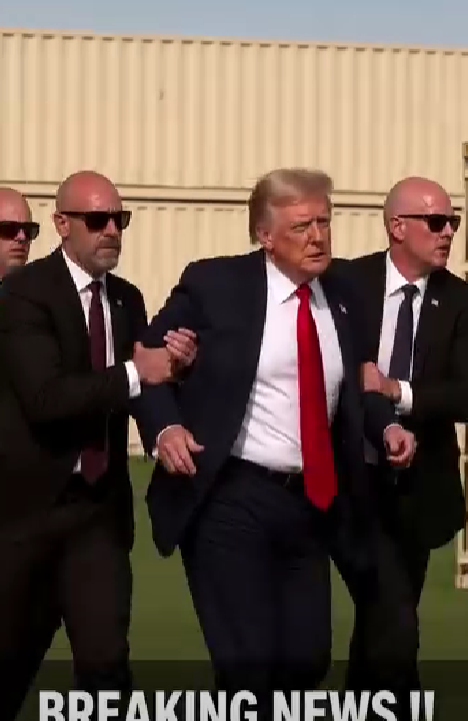
Much of the confusion appears to stem from recycled footage, misleading captions, and click-driven posts designed to generate fear and engagement rather than provide verified information. Several of the viral posts traced back to unverified social accounts and private groups, where dramatic language is often used without evidence. In the current digital environment, where misinformation can spread faster than official updates, such false alarms are becoming increasingly common.
The Reaction
It is important to distinguish this rumor from the very real and widely documented assassination attempt that occurred in 2024 at a rally in Butler, Pennsylvania, where Trump was wounded but survived. That incident led to sweeping security changes, federal investigations, and a criminal case that remains part of the public record. Since then, there have been heightened security protocols around the former president, with multiple foiled threats reported – but no confirmed new shooting incident as described in today’s viral claims.
Impact of Misinformation They can cause unnecessary panic, overwhelm emergency services with inquiries, mislead the public, and erode trust in real news reporting. They also place added strain on public safety agencies that must repeatedly respond to rumors instead of real emergencies. Political analysts note that high-profile figures like Trump remain constant targets for misinformation, especially during election seasons and periods of national tension.
What This Means
Sensational headlines are often crafted to trigger emotional reactions, encouraging users to share before verifying. In many cases, the goal is not to inform, but to generate clicks, outrage, or division. For now, all available verified information confirms that Donald Trump has not been shot again, in Washington or elsewhere.
Officials urge the public to rely only on trusted news outlets and confirmed government statements for developments involving national security or public safety. As this incident shows, not everything labeled “breaking news” online is real. In an age where a single unverified post can reach millions in minutes, caution, verification, and patience remain the most reliable defenses against panic and deception.
A wave of alarming social media posts has sparked confusion and concern after claims began circulating that Donald Trump had been “shot again” in Washington, D.C. The dramatic wording quickly attracted attention across online platforms, prompting worried reactions, heated political discussions, and questions from people trying to determine whether another serious security incident had taken place.
But as the claims spread, a crucial distinction emerged: there was no verified evidence supporting the viral reports of a new shooting involving Trump.
The episode highlights how quickly unconfirmed claims involving major political figures can spread online, particularly when they are presented as breaking news and accompanied by emotionally charged language. For many users encountering the posts, the wording alone was enough to raise alarm before they had an opportunity to check whether the information was accurate.
In an era when millions of people receive news through social media feeds, distinguishing between a genuine emergency and an unsupported rumor has become increasingly important.
How the Alarming Claim Spread Across Social Media
The phrase “shot again” immediately drew attention because of its connection to the well-documented assassination attempt against Trump in July 2024. For users who remembered the shocking images and reports from that day, the possibility of another attack was naturally disturbing.
However, a dramatic headline is not proof that an event has occurred.
Posts making the latest claims circulated without the kind of reliable supporting evidence normally expected for an incident involving a former U.S. president. Some online discussions appeared to rely on repeated claims, dramatic captions, or material presented without sufficient context.
This can create a misleading impression that a story has been independently confirmed when numerous accounts may simply be repeating the same unverified information.
Once a claim begins attracting attention, other users may share it out of concern, curiosity, or a desire to warn their followers. In the process, the original uncertainty can disappear from the conversation, leaving behind a headline that sounds increasingly authoritative despite the absence of credible confirmation.
The result is a familiar pattern in the digital age: a rumor gathers momentum before the facts have been established.
Why People Immediately Thought Back to 2024
The reaction was especially powerful because Trump survived a real assassination attempt at a campaign rally in Butler, Pennsylvania, on July 13, 2024.
During that attack, Trump was wounded in the ear, a spectator was killed, and other attendees were injured. The incident triggered an enormous national response and raised serious questions about security arrangements at political events.
Images from the rally spread around the world, and the attack became one of the most consequential moments of the 2024 presidential campaign.
Because that event genuinely happened, a new claim suggesting another shooting can appear believable to people encountering it without context. Familiarity with a previous tragedy can make a similar-sounding rumor feel more credible than it actually is.
That does not mean the latest claim is true. It means that the emotional impact of a real historical event can make unverified information especially effective at attracting attention.
The distinction matters: the 2024 assassination attempt is documented history, while the new claim described in the viral posts lacked verified evidence.
The Warning Signs Behind Sensational Breaking-News Posts
There are several reasons readers should be cautious when encountering extraordinary claims online.
One warning sign is a headline that announces a dramatic event without identifying a reliable source. Another is the use of urgent wording designed to encourage immediate sharing, especially when the post contains no date, location details, official statement, or independently verifiable information.
Old photographs and videos can also be recirculated alongside new captions, making unrelated footage appear connected to a current event. Even authentic footage can become misleading when the circumstances surrounding it are omitted.
Repetition presents another challenge. Seeing the same claim across several accounts does not necessarily mean several independent sources have confirmed it. Those accounts may all be relying on one original post.
For an incident involving a prominent political figure, readers should look for confirmation from established news organizations and relevant official authorities before accepting or sharing the report.
When credible sources have not confirmed an alleged emergency, the responsible conclusion is that the claim remains unverified—not that the most dramatic interpretation must be correct.
How False Reports Can Affect the Public
Unfounded reports about shootings and other emergencies can have consequences beyond online arguments.
People who believe a claim may contact friends and relatives in fear, spread alarming messages, or make decisions based on information that has not been established as true. Repeated false alarms can also make it harder for audiences to recognize reliable information when a genuine emergency occurs.
Public officials, journalists, and emergency personnel can face additional pressure when rumors demand attention before the underlying facts are known.
There is also a broader problem of trust. When users repeatedly encounter sensational headlines that turn out to be unsupported, they may become skeptical of legitimate reporting. That skepticism can make it harder for accurate information to reach people during moments when it matters most.
Political stories are particularly vulnerable to this dynamic because they often involve strong personal opinions and deeply divided audiences. A claim that provokes fear or outrage can spread widely among people who would otherwise disagree, simply because they believe the information is urgent.
That is precisely why verification matters more than speed.
What Readers Should Know About the Latest Claim
The central point is straightforward: the viral reports described a new shooting involving Donald Trump, but the supplied information did not establish that such an attack had occurred.
No conclusion about a new shooting should be drawn from dramatic social media captions alone. A genuine incident of this magnitude would ordinarily be expected to generate reporting from multiple credible news organizations and information from relevant authorities as details became available.
Until reliable evidence supports a claim, sharing it as established fact risks misleading others.
Readers who encounter similar posts can help limit the spread of misinformation by checking publication dates, looking for original sources, comparing independent reporting, and avoiding headlines that present speculation as certainty.
It is equally important to correct false claims without repeating them in ways that make them appear more credible. A clear explanation that a report has not been verified is more useful than another sensational post designed to attract attention.
A Reminder About the Power of a Single Headline
The online reaction to the “shot again” claim demonstrates how a handful of dramatic words can trigger widespread concern before the facts are clear.
In a fast-moving information environment, the pressure to be first can sometimes overshadow the responsibility to be accurate. But speed is not the same as credibility, and a widely shared post is not automatically a trustworthy one.










Leave a Reply