
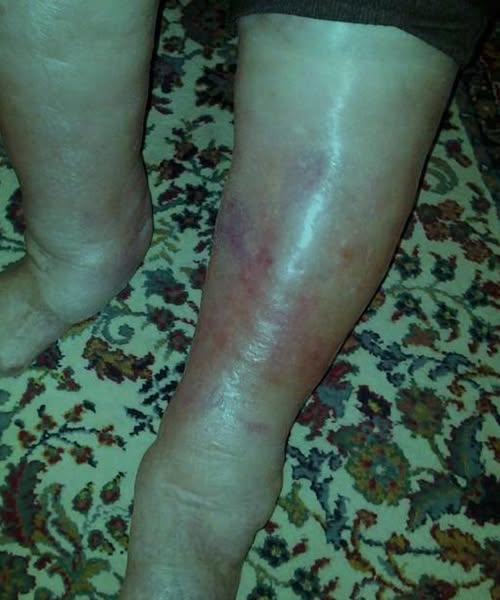
Erysipelas is a bacterial infection that affects the upper layers of the skin and the lymphatic system, most commonly caused by group A Streptococcus. It often appears suddenly, creating a bright red, swollen patch of skin with clearly defined, raised edges, usually on the legs or face.
Symptoms develop quickly and may include redness, warmth, swelling, pain, and fever or chills. The infection typically enters through small breaks in the skin, such as cuts, insect bites, surgical wounds, or conditions like eczema or athlete’s foot. Certain factors—such as diabetes, weakened immunity, lymphedema, or obesity—increase the risk.
Although erysipelas can look severe, it is usually treatable with antibiotics and most people recover within a few days of treatment. However, early diagnosis is important to prevent complications like spreading infection or sepsis. Prompt medical care and completing the full course of antibiotics are key to a full recovery.











Leave a Reply