

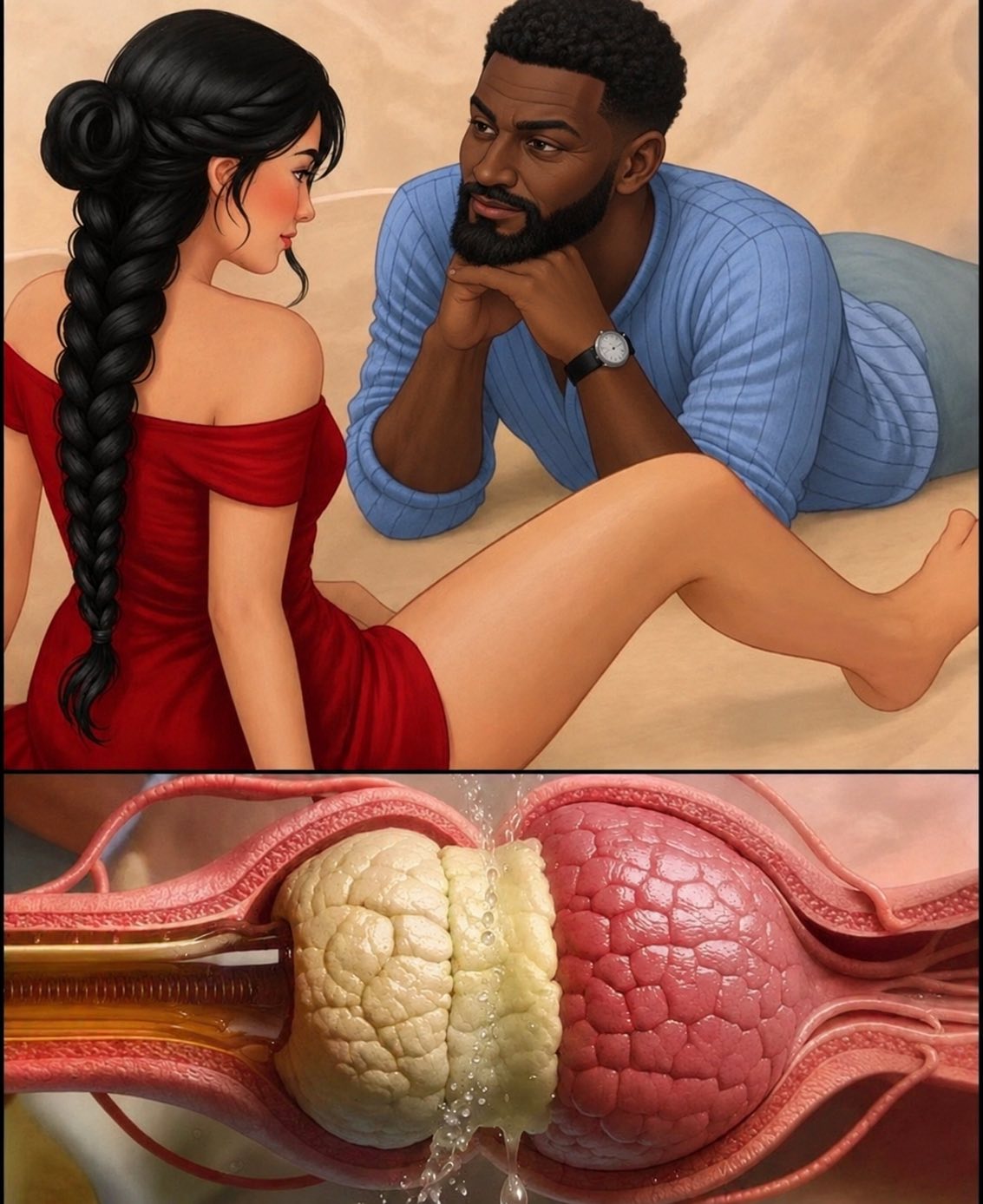
People often say you never forget your first deeply personal experience. Mine, however, is remembered not for excitement or curiosity, but for fear and confusion. Instead of laughter or nervous anticipation, I remember tears streaming down my face while a close friend held my hand and medical staff rushed around me. What should have been an intimate and meaningful moment quickly turned into panic—first in a bathroom as I realized something was wrong, and later in a hospital room filled with urgent questions and examinations.
Discover more
communication
Communications & Media Studies
Growing up, the conversations surrounding relationships and physical intimacy were often vague or avoided altogether. Cultural messages tended to frame these moments as exciting milestones or awkward but humorous stories people would laugh about later. Rarely did anyone discuss the possibility of things going wrong, or the importance of understanding your body, boundaries, and safety. Without open conversations or clear education, many young people end up relying on rumors, incomplete information, or assumptions.
When complications happen, the emotional reaction can be overwhelming. Fear, embarrassment, and confusion often come all at once. In my case, the situation escalated quickly enough that medical attention became necessary. While the physical injury was serious enough to require treatment, the emotional aftermath lasted even longer. In the days and weeks afterward, I kept replaying the night in my mind, wondering what I could have done differently and questioning whether I had somehow caused the situation myself.
Discover more
communication
Communications & Media Studies
Later, doctors explained that the injury could likely have been prevented with better preparation, awareness, and communication. Hearing that was difficult at first, but it also helped me understand that the real problem was not simply what happened that night. The bigger issue was the lack of open, honest conversations about health, consent, and personal safety that could have prepared me earlier. When young people aren’t given accurate information, they are often left to navigate important experiences without the knowledge they need.
Looking back now, I no longer view that experience solely through the narrow lens of fear and uncertainty that once defined it. At the time, everything felt overwhelming, as if the situation was controlling me rather than the other way around. But with distance, reflection, and a willingness to understand what truly happened, my perspective has shifted in a meaningful way. What once felt like a moment of vulnerability has gradually transformed into something far more valuable—a powerful lesson about the importance of education, clear communication, and being deeply in tune with one’s own body.
I’ve come to realize that fear often grows in the absence of knowledge. When we don’t fully understand what is happening to us physically or emotionally, our minds tend to fill in the gaps with anxiety and worst-case scenarios. That’s why education plays such a critical role. When we take the time to learn, ask questions, and seek reliable information, we replace uncertainty with clarity. And clarity, even in difficult situations, can be incredibly empowering. It gives us the ability to make better decisions, to recognize warning signs, and to approach challenges with a more grounded mindset.
Equally important is communication—something that is often underestimated or avoided, especially when it comes to personal or sensitive topics. It’s not always easy to speak openly about experiences that feel uncomfortable, confusing, or even embarrassing. Many people stay silent out of fear of judgment or misunderstanding. But silence can create isolation, making individuals feel like they are facing something entirely on their own. When we choose to communicate honestly—whether with a trusted person, a professional, or even a wider audience—we break that isolation. We create space for understanding, support, and shared experiences.
Body awareness is another lesson that stands out. In today’s fast-paced world, it’s easy to ignore the subtle signals our bodies send us. We often push through discomfort, dismiss symptoms, or fail to recognize changes that might be important. That experience taught me to slow down and pay attention—to listen carefully to what my body is trying to communicate. Developing that awareness doesn’t happen overnight, but it can make a profound difference in how we respond to challenges. It allows us to act earlier, to take better care of ourselves, and to feel more in control of our own well-being.
What’s perhaps most meaningful is how difficult moments, as painful as they may be, can lead to deeper understanding and personal growth. At the time, it’s hard to see any positive aspect in a challenging situation. But later, when we reflect, we often discover lessons that shape us in ways we couldn’t have imagined. These experiences can build resilience, empathy, and a stronger sense of self. They remind us that growth doesn’t only come from success or comfort—it often emerges from struggle.
By speaking openly about these kinds of experiences, we do more than just tell our own story—we create a sense of connection. Someone else, somewhere, might be going through something similar and feeling completely alone. Hearing an honest perspective can reassure them that their feelings are valid, that their fears are understandable, and that they are not the only one navigating that path. That sense of shared humanity is incredibly powerful.
Of course, these conversations are not always easy. They may feel uncomfortable, especially at first. There can be hesitation, vulnerability, and even fear of how others might react. But despite that discomfort, these discussions are essential. They open the door to awareness, reduce stigma, and encourage people to seek help or information when they need it. Over time, what once felt difficult to talk about can become a source of strength—not just for the person sharing, but for those listening as well.
In the end, that experience became more than just a memory—it became a turning point. It changed how I think, how I communicate, and how I approach my own health and well-being. And if sharing that perspective helps even one person feel less alone or more prepared, then it serves a purpose far greater than the moment itself ever did.










Leave a Reply