
Semen is a bodily fluid that is secreted by the gonads of male animals. It contains spermatozoa and fructose and other enzymes that help the sperm to survive and facilitate successful fertilization. During the process of ejaculation, the semen is ejaculated from the seminal vesicle in the pelvis, which is where it is produced.
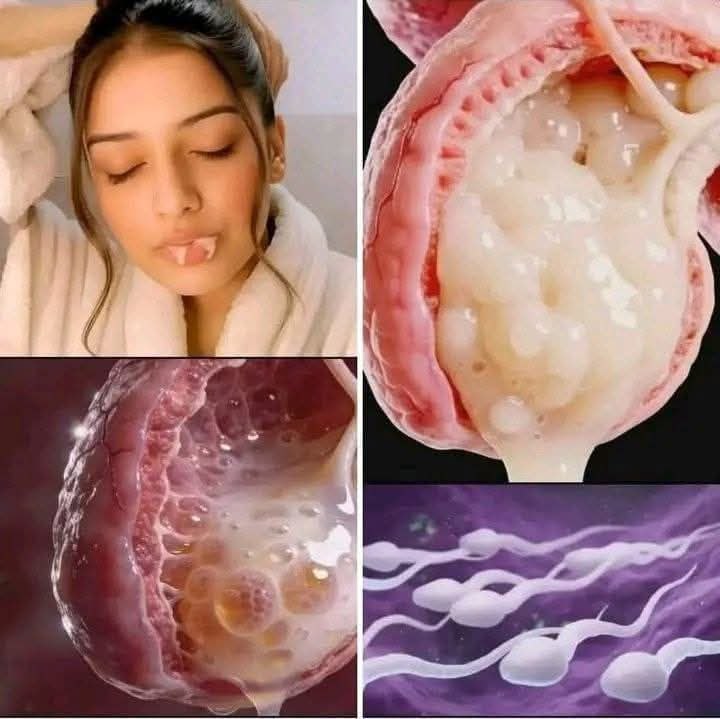
Semen is a bodily fluid that is secreted by the gonads of male animals. It contains spermatozoa and fructose and other enzymes that help the sperm to survive and facilitate successful fertilization. During the process of ejaculation, the semen is ejaculated from the seminal vesicle in the pelvis, which is where it is produced.
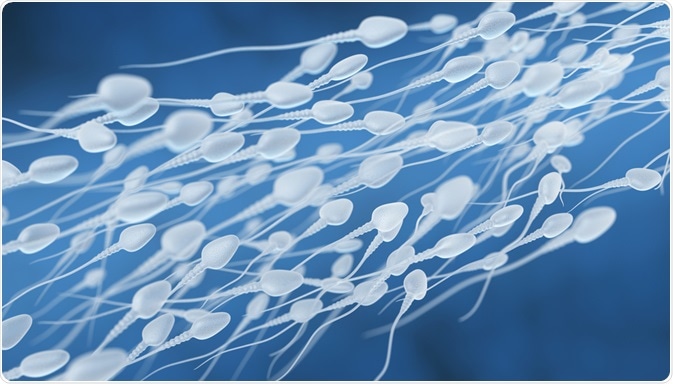
Semen Volume per Ejaculation
The amount of semen released during ejaculation can vary significantly between individuals and even from one occasion to another. On average, a typical ejaculation produces about 3.4 milliliters (mL) of semen. However, this amount can range from approximately 2.3 mL to 5 mL under normal physiological conditions.
Several factors influence semen volume, including:
- Frequency of ejaculation
- Age
- Hydration levels
- Overall health
- Hormonal balance
For instance, after a longer period without ejaculation, the concentration of sperm increases, but the total volume of semen does not necessarily increase proportionally.
Composition of Semen
Semen is a complex biological fluid composed of secretions from multiple glands in the male reproductive system. As sperm travels through the reproductive tract, it mixes with fluids from:
- Seminal vesicles
- Prostate gland
- Bulbourethral (Cowper’s) glands
1. Seminal Vesicles (65–70%)
The seminal vesicles contribute the largest portion of semen. Their secretion is:
- Thick and viscous
- Rich in fructose, which provides energy for sperm
- Contains prostaglandins that may assist sperm movement in the female reproductive tract
2. Prostate Gland (25–30%)
The prostate produces a milky-white fluid that gives semen its characteristic color. This fluid contains:
- Enzymes
- Citric acid
- Lipids
- Acid phosphatase
These substances help maintain sperm viability and motility.
3. Sperm Cells (2–5%)
Spermatozoa are produced in the testes. Each ejaculation typically contains 200–500 million sperm cells. Despite their importance, they make up only a small percentage of the total semen volume.
4. Bulbourethral Glands (<1%)
These glands produce a clear, mucus-like fluid that:
- Lubricates the urethra
- Neutralizes acidity
- Improves sperm mobility
Chemical Composition
Semen contains more than 50 different substances, including:
- Sugars: fructose
- Vitamins: vitamin C, vitamin B12
- Minerals: zinc, calcium, magnesium, potassium, sodium
- Organic compounds: citric acid, lactic acid, uric acid
- Proteins and enzymes
- Hormones and signaling molecules
- DNA and amino acids
It also contains proteins with antimicrobial properties, which may help protect against certain pathogens.
Potential Effects of Semen Consumption
Some research has explored whether semen has biological or psychological effects when consumed orally or through vaginal exposure. However, many of these findings are preliminary, controversial, or not strongly supported by large-scale scientific evidence.
1. Pregnancy and Immune Response
Some studies suggest that exposure to a partner’s semen may help the female immune system adapt to paternal antigens. This has been hypothesized to:
- Reduce the risk of complications like preeclampsia
- Improve tolerance during pregnancy
However, this area of research is still debated and not conclusive.
2. Mood and Hormonal Effects
Semen contains small amounts of substances such as:
- Oxytocin
- Serotonin
- Cortisol
- Melatonin
These are sometimes referred to as “mood-related” compounds, but there is no solid evidence that consuming semen produces meaningful psychological effects.
3. Ovulation Research
Some animal studies suggest that certain proteins in semen may influence ovulation by interacting with the brain’s hormonal systems. However, this effect has not been clearly demonstrated in humans.
4. Other Claims
Claims such as improvements in hair health or cures for morning sickness are not scientifically established and should be treated with skepticism.
Health Risks and Safety Concerns
Consuming semen is not risk-free. It can transmit sexually transmitted infections (STIs), especially if one partner is infected.
Common Risks Include:
- HIV (Human Immunodeficiency Virus)
- Hepatitis B and C
- Herpes simplex virus
- Chlamydia
- Gonorrhea
The risk increases if:
- There are cuts or sores in the mouth
- Gum disease or bleeding is present
- The partner’s STI status is unknown
Human Papillomavirus (HPV)
HPV is a major concern in oral sex. Certain strains, especially HPV-16, are linked to:
- Oropharyngeal cancers
- Cervical and anal cancers
Cultural Beliefs About Semen
Throughout history, semen has held symbolic and cultural significance.
Ancient Greece
The philosopher Aristotle believed semen was derived from blood and represented a vital life force. He associated it with strength, vitality, and masculinity.
Papua New Guinea
Some traditional societies believed semen played a role in male development. In certain rituals, younger males ingested semen as part of initiation practices intended to transmit strength and wisdom.
Ancient China
In some traditions, substances like jade were symbolically associated with divine or celestial semen, reflecting beliefs about vitality and immortality.
Conclusion
Semen is a biologically complex fluid essential for reproduction. While it contains a wide range of compounds, many claims about its health benefits—especially regarding consumption—are not strongly supported by scientific evidence. At the same time, there are real health risks, particularly related to sexually transmitted infections.
Understanding semen from both a biological and cultural perspective helps separate scientific facts from myths and beliefs.









Leave a Reply