
Thousands gathered at the Route 91 Harvest festival, a popular country music event held on the Las Vegas Strip. The atmosphere was vibrant—fans singing along, lights flashing, and artists performing under the desert sky. But at 10:05 p.m., the mood shifted instantly.
From the 32nd floor of the Mandalay Bay, gunman Stephen Paddock opened fire on the crowd below. What initially sounded like fireworks quickly revealed itself as automatic gunfire. Panic spread within seconds. Concertgoers dropped to the ground, scrambled for cover, or ran for their lives as bullets rained down indiscriminately.
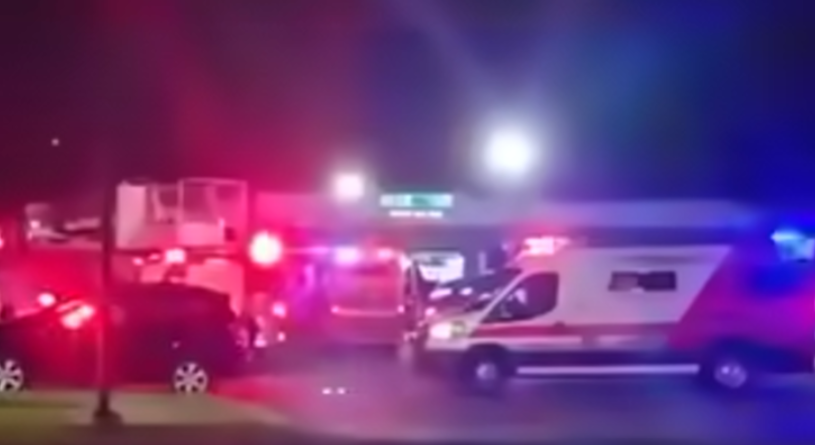
The attack lasted approximately 10 minutes, though for those caught in it, it felt far longer. Survivors later described the horrifying confusion—people shielding strangers, friends searching for one another, and the deafening echo of gunfire bouncing off nearby buildings. First responders rushed into the danger, navigating a scene of mass casualties and fear.
By the end of the night, 60 people had been killed, and over 800 were injured, making it the deadliest mass shooting in modern U.S. history. Hospitals across Las Vegas were overwhelmed but responded with urgency and coordination. Doctors, nurses, and volunteers worked tirelessly through the night, while citizens lined up to donate blood and offer help.
Authorities tracked the source of the gunfire to Paddock’s hotel room. When police breached the room, they found he had taken his own life. Inside, investigators discovered an arsenal of firearms, ammunition, and equipment carefully set up to maximize destruction.
In the days and weeks that followed, the nation struggled to comprehend the scale of the tragedy. Vigils were held across the country. In Las Vegas, thousands gathered to mourn, lighting candles and sharing stories of those lost. The city, known for entertainment and spectacle, became a symbol of grief—and resilience.
The aftermath of the Las Vegas shooting sparked intense national debates over gun laws, public safety, mental health awareness, and the terrifying reality that such a devastating attack could unfold without warning in one of the busiest entertainment destinations in the world. The tragedy shocked not only the United States, but people across the globe who struggled to comprehend how a single individual could carry out such destruction in a matter of minutes. Although investigators worked tirelessly to uncover every detail surrounding the attack, many questions about Stephen Paddock’s motives were never fully answered. This lingering uncertainty created an even darker shadow over an event already defined by fear, grief, and unimaginable loss. For survivors and families of victims, the absence of clear answers has made the healing process even more painful, leaving behind a haunting reminder that some tragedies cannot be easily explained.
On the night of October 1, 2017, thousands of people had gathered at the Route 91 Harvest music festival in Las Vegas, expecting an evening filled with music, celebration, and excitement. The atmosphere was joyful as country music fans sang together under the lights of the city. For many attendees, the festival was meant to be a memorable experience shared with friends and loved ones. Yet within moments, that atmosphere transformed into chaos and terror when gunfire erupted from the Mandalay Bay Resort and Casino overlooking the concert grounds. Panic spread rapidly through the crowd as people struggled to understand what was happening. At first, many believed the sounds were fireworks or technical issues related to the performance. But as the gunfire continued relentlessly, confusion turned into horror.
People screamed, ran for cover, and desperately searched for safety while others attempted to help the wounded despite the danger surrounding them. In those terrifying moments, survival became the only thought in the minds of thousands trapped in the open concert venue. Witnesses later described scenes of complete chaos, with concertgoers hiding behind barriers, crawling across the ground, or shielding strangers with their own bodies. The attack lasted only minutes, but for those who experienced it, the fear felt endless. Survivors would later recall hearing constant gunfire echoing through the night while sirens and cries for help filled the air.
Emergency responders reacted with extraordinary courage and urgency. Police officers, paramedics, firefighters, and medical personnel rushed toward danger while countless innocent people were trying to escape from it. Hospitals across Las Vegas quickly became overwhelmed as doctors and nurses worked nonstop to treat hundreds of injured victims arriving within a short period of time. Blood donation centers filled with people eager to help in any way they could. The response from the community demonstrated remarkable unity during one of the darkest moments in the city’s history. Even amid panic and devastation, acts of compassion emerged everywhere. Strangers comforted one another, offered rides to those stranded, and opened their homes to people seeking shelter.
The emotional impact of the tragedy extended far beyond Las Vegas itself. Across the country, millions watched the horrifying news unfold in real time. Vigils were held in cities nationwide as people mourned the victims and expressed solidarity with survivors and grieving families. Social media became flooded with messages of support, prayers, and heartbreak. For many Americans, the attack represented not only a national tragedy but also another painful chapter in the growing history of mass shootings in the United States. Questions immediately arose regarding how such an attack could have been planned and executed without detection.
Investigators discovered that the shooter had stockpiled numerous firearms and large quantities of ammunition inside his hotel suite before carrying out the attack. The scale of preparation shocked the public and intensified discussions about gun regulations, hotel security measures, and the warning signs that may have been missed. Law enforcement agencies conducted extensive investigations into Paddock’s background, finances, travel history, and personal relationships in an effort to uncover a clear motive. Despite these efforts, authorities never reached a definitive conclusion explaining exactly why he committed the attack. This lack of understanding left many people frustrated and deeply unsettled.
The inability to identify a clear motive also challenged assumptions people often rely on to make sense of violence. Society frequently searches for explanations after tragedies because understanding can offer at least some sense of control or closure. In this case, however, the absence of answers created a disturbing reality: sometimes acts of violence emerge without a reason that satisfies public understanding. This uncertainty contributed to the long-lasting psychological impact on survivors and witnesses, many of whom continue to struggle with trauma years later.
For survivors, the memories of that night remain vivid and painful. Many continue to suffer from post-traumatic stress disorder, anxiety, depression, and survivor’s guilt. Loud noises, crowded events, or certain songs can trigger emotional flashbacks that instantly transport them back to the terrifying moments of the shooting. Some survivors sustained life-changing physical injuries that required years of surgeries, rehabilitation, and ongoing medical treatment. Others lost close friends, partners, or family members during the attack and continue to carry profound emotional wounds.
Yet amid the overwhelming sorrow, stories of heroism continue to define the legacy of that night. Ordinary people displayed extraordinary bravery under unimaginable circumstances. Some shielded loved ones from gunfire while others risked their lives to carry injured strangers to safety. Medical workers pushed themselves beyond exhaustion to save as many lives as possible. Police officers entered dangerous situations without hesitation, determined to stop the threat and protect civilians. These acts of courage revealed the strength of human compassion even during moments of extreme fear.
The Las Vegas community also demonstrated incredible resilience in the months and years following the tragedy. Memorials honoring the victims became places of reflection, remembrance, and healing. Community organizations and support groups formed to help survivors and grieving families cope with their pain. Fundraising efforts raised millions of dollars for medical expenses and victim assistance programs. Concerts and public events dedicated to the victims highlighted the city’s determination not to let violence define its identity. Although the scars remain, the response of the community showed how unity and empathy can emerge from tragedy.
The shooting also renewed national debates about gun control and public safety policies. Advocates for stricter firearm regulations argued that reforms were necessary to prevent future mass shootings, while others focused on issues related to mental health, law enforcement preparedness, and constitutional rights. Discussions surrounding bump stocks, security protocols at large events, and emergency response strategies became central topics in political and public conversations. While opinions differed sharply, the tragedy forced the nation to confront difficult questions about violence, prevention, and responsibility.
Years later, the Las Vegas shooting remains one of the deadliest mass shootings in modern American history. Its impact continues to ripple through survivors, families, first responders, and communities across the nation. The tragedy serves as a painful reminder of human vulnerability and the unpredictable nature of violence. At the same time, it stands as a testament to resilience, courage, and solidarity in the face of unimaginable horror.
The legacy of that night lives on not only in memory but also in the continuing effort to honor the victims and prevent similar tragedies from occurring again. The stories of loss are heartbreaking, but the stories of bravery and compassion remain equally powerful. In remembering the Las Vegas shooting, people are reminded not only of the darkness that occurred that night, but also of the humanity that emerged in response to it.






Leave a Reply