
Washington did not see it coming. A single order and a signature altered the rhythm of the capital almost overnight.
The visible presence of federal forces increased across key corridors, with sirens more common, patrols more coordinated, and unmarked vehicles blending into the flow of traffic.
For some residents, there was an immediate sense that crime had eased, and that long-standing concerns about safety were finally being addressed in a direct way.
Supporters of the move describe it as a decisive correction after years of uncertainty.
They point to calmer streets, quicker response times, and a stronger enforcement presence as evidence that the intervention is working. In their view,
the change has restored confidence in neighborhoods that had grown accustomed to instability and sporadic policing.
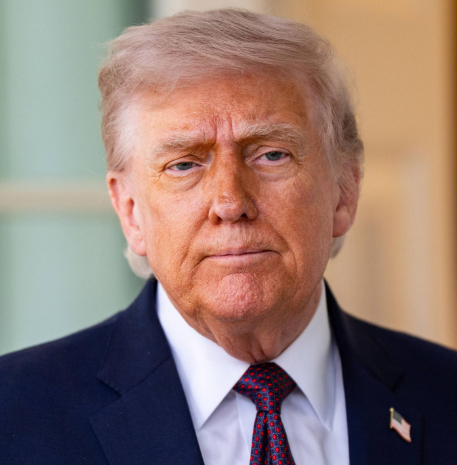
A City Divided by Fear, Security, and Uncertainty
In recent months, Washington has become the center of an increasingly emotional and complicated national conversation surrounding public safety, immigration enforcement, and the visible presence of federal authorities in everyday life. For some residents, the intensified activity represents a long-awaited restoration of order and accountability. They argue that stronger enforcement measures create safer neighborhoods, discourage criminal behavior, and send a message that laws are meant to be upheld consistently. Others, however, experience the same developments through an entirely different lens—one defined not by reassurance, but by anxiety, uncertainty, and fear about what daily life may suddenly bring.
Across several neighborhoods, the atmosphere has noticeably changed. Conversations that once focused on rising rent prices, schools, and transportation delays are now increasingly centered on enforcement activity, federal coordination, and the presence of ICE-related operations in public spaces. Residents describe seeing marked and unmarked vehicles parked near transit stations, commercial districts, apartment complexes, and major intersections during early morning hours. In some communities, even rumors of potential enforcement actions spread rapidly through social media groups, messaging apps, and neighborhood chats, creating waves of concern long before any official information is confirmed.
For many immigrant families, particularly those living in mixed-status households, the psychological impact has been significant. Parents describe changing the routines they have followed for years. Some no longer travel the same routes to work or school. Others avoid crowded public spaces altogether, worried that a routine commute or simple errand could suddenly become a frightening encounter with authorities. In certain areas, community advocates say attendance at local events has declined, while some small businesses have reported fewer customers during periods of heightened enforcement visibility.
Teachers and school staff members have also found themselves navigating increasingly sensitive situations. Educators in several districts say students are arriving at school carrying stress that extends far beyond academics. Younger children sometimes overhear conversations at home about raids, arrests, or deportation fears without fully understanding the context, leaving them confused and emotionally unsettled. School counselors reportedly spend more time addressing anxiety-related concerns, while parents seek reassurance that schools remain safe and supportive spaces.
Transit systems have become another focal point in the broader debate. Major stations and transportation hubs naturally attract large numbers of people every day, making them highly visible locations for any law enforcement presence. Some commuters say the increased visibility of officers and federal vehicles makes them feel safer, especially in areas previously associated with disorder or crime. Others, however, interpret the same scenes as intimidating and destabilizing. Advocacy groups argue that even when operations are targeted, the surrounding atmosphere can create fear among people who have committed no crimes but worry about being questioned, profiled, or caught in broader enforcement efforts.
Commercial corridors throughout Washington are experiencing similar tensions. Store owners and restaurant workers in heavily populated neighborhoods describe a growing sense of unpredictability. Business operators often depend on consistent foot traffic and a stable community environment, but periods of visible enforcement activity can dramatically alter the mood of an area. Some shop owners quietly express concern that customers are becoming more hesitant to spend time outside, particularly during evening hours or near locations rumored to be connected to federal activity.
At the same time, supporters of tougher enforcement measures argue that critics are exaggerating the impact. They believe the presence of federal authorities serves as an important deterrent against criminal networks, trafficking operations, and repeat offenders who may otherwise avoid accountability. For these residents, enforcement visibility represents a sign that government institutions are responding to longstanding concerns about safety and public order. They argue that many law-abiding citizens feel abandoned when authorities appear absent, and they view stronger coordination between agencies as a necessary response to growing urban challenges.
This divide in perception has created an environment where two people can witness the exact same event yet walk away with completely different conclusions about what it means. One resident may see officers conducting coordinated operations and interpret it as evidence of a functioning system designed to protect communities. Another may see the same scene and feel immediate fear, uncertainty, or concern about civil liberties and community trust. These contrasting experiences now define much of the city’s public conversation.
Local officials have found themselves caught in the middle of the debate. City leaders, law enforcement representatives, school administrators, and community organizations are all attempting to balance competing expectations from the public. Some officials emphasize the importance of cooperation between agencies when addressing security concerns, while others warn that overly aggressive enforcement tactics can damage relationships with vulnerable communities for years.
Police departments in particular face difficult challenges during joint operations involving multiple agencies. Officers often work within overlapping jurisdictions and shifting operational responsibilities, which can create confusion not only for residents, but for personnel on the ground as well. Several observers familiar with law enforcement coordination note that command structures can become increasingly complicated when local authorities operate alongside federal agencies with different priorities, procedures, and legal authorities.
That uncertainty can contribute to tension during operations. Residents sometimes struggle to determine which agency is responsible for specific actions, while officers themselves may be operating under rapidly changing circumstances. In emotionally charged environments, even small misunderstandings can quickly escalate public frustration. Videos shared online—often without full context—can intensify public reaction within minutes, adding another layer of pressure on officials attempting to manage already sensitive situations.
Community organizers say the emotional impact extends beyond those directly affected by enforcement activity. Fear can spread through entire neighborhoods even when operations are limited in scope. Some residents begin avoiding public participation altogether, reducing attendance at community meetings, religious gatherings, and social events. Others become hesitant to contact authorities, even in emergencies, because they fear potential consequences for themselves or loved ones.
This erosion of trust worries many experts who study relationships between law enforcement and communities. They argue that public safety depends not only on enforcement, but also on cooperation, communication, and mutual confidence between institutions and the people they serve. When residents fear interaction with authorities, experts warn that crimes may go unreported, witnesses may remain silent, and communities may become more isolated over time.
Yet supporters of stronger enforcement often reject the idea that safety and aggressive policing are inherently incompatible. They argue that many neighborhoods have experienced years of frustration over crime, disorder, and inadequate responses from local institutions. From their perspective, visible enforcement sends a signal that authorities are finally taking concerns seriously. Some residents describe feeling more comfortable walking through certain areas after increased patrols or coordinated operations became more common.
Political leaders continue to debate how far enforcement measures should go and what role federal agencies should play within the city. Public statements frequently reflect the larger national divide surrounding immigration, border policy, and criminal justice. Some officials emphasize humanitarian concerns and the importance of protecting vulnerable families, while others stress the necessity of strict enforcement to maintain credibility and public order.
Media coverage has further amplified the divide. Depending on which outlets residents follow, the same operation may be framed either as a successful security effort or as an alarming example of government overreach. Social media intensifies these differences by allowing emotionally charged clips and personal testimonies to spread rapidly, often before complete information becomes available. In this environment, perception can shape reality almost as strongly as the events themselves.
For many families, daily life now involves constant calculation. Parents think carefully about where they travel, what documents they carry, and how they respond to unfamiliar vehicles or unexpected encounters. Teenagers absorb the stress surrounding them, even when adults try to shield them from it. Community advocates say the emotional burden can become exhausting over time, especially when uncertainty feels permanent rather than temporary.
Meanwhile, some residents insist that these concerns should not overshadow broader questions about accountability and security. They argue that governments cannot selectively enforce laws based solely on public discomfort and that maintaining order sometimes requires difficult decisions. To them, criticism of enforcement efforts risks undermining the ability of authorities to address legitimate threats.
The reality unfolding across Washington is therefore not easily reduced to simple political slogans or ideological talking points. It is a deeply human issue shaped by fear, responsibility, identity, and competing definitions of safety itself. For some people, visible enforcement represents protection and stability. For others, it represents unpredictability and emotional strain. Both reactions exist simultaneously within the same streets, schools, transit stations, and neighborhoods.
As debates continue, one thing has become increasingly clear: Washington is no longer merely discussing questions of enforcement policy in abstract terms. The conversation is now playing out in real time through everyday experiences that affect how people move, work, gather, and interact with one another. The city has become a reflection of broader national tensions, where every operation, public statement, and viral video contributes to a growing sense of division over what safety should look like and who ultimately gets to define it.
In the end, the challenge facing Washington may not only be about enforcing laws or maintaining order. It may also involve rebuilding trust in a climate where suspicion and uncertainty continue to grow. Achieving that balance will likely require more than increased patrols or stronger rhetoric. It may demand transparency, communication, and a willingness from leaders on all sides to recognize the emotional realities experienced by different communities.
Until then, Washington remains a city shaped by contrasting truths. To some, the visible presence of enforcement offers reassurance that institutions are functioning and public order is being defended. To others, the same presence creates fear that ordinary life can change without warning. Those competing perspectives continue to define the atmosphere of the city, leaving residents, officials, and families navigating an uncertain future where the meaning of safety itself remains deeply contested.









Leave a Reply