
The case of Channon Christian and Christopher Newsom remains one of the most disturbing criminal cases in recent U.S. history, not only because of the brutality involved but also due to the long and complex legal journey that followed.In January 2007, the young couple from Knoxville went missing after heading out one evening. When they failed to return home, concern quickly turned into a large-scale search effort. What investigators uncovered in the following days shocked the entire community and drew national attention.
Authorities eventually discovered that the couple had been carjacked and taken to a residence, where multiple individuals were involved in crimes that escalated over several hours. Law enforcement officials described the case as deeply tragic, highlighting the extreme level of violence and the suffering endured by both victims. Their deaths sparked outrage across the country and led to intense media coverage.
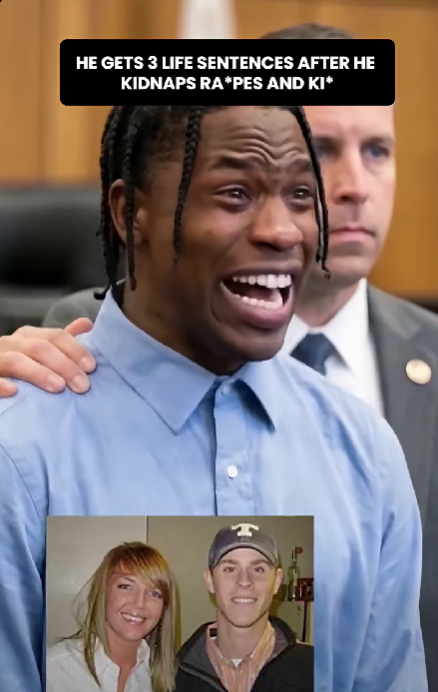
As the investigation into the tragic murders of Channon Christian and Christopher Newsom progressed, authorities worked tirelessly to piece together the events surrounding the horrific crime. Detectives spent countless hours gathering evidence, interviewing witnesses, and following leads that would eventually result in multiple arrests. The brutality of the case shocked not only the local community but people across the country, drawing widespread media attention and sparking intense public discussion about crime, justice, and the legal system.
Law enforcement officials described the investigation as both extensive and emotionally difficult. Evidence collected from the crime scenes played a critical role in identifying suspects and building the prosecution’s case. Investigators relied on forensic analysis, witness testimony, and physical evidence recovered during searches connected to the suspects. As more information emerged, prosecutors argued that the crimes involved extreme violence and demanded the harshest penalties available under the law.
Several suspects were eventually arrested and charged in connection with the kidnapping, torture, assault, and murders of the young couple. Their arrests marked only the beginning of what would become years of legal battles. Court proceedings stretched on for a long period of time, with numerous hearings, motions, and appeals shaping the path of the case. For the victims’ families, every new development brought renewed pain and forced them to relive the unimaginable tragedy over and over again.
The trials themselves were closely followed by the public and media outlets. Prosecutors presented graphic evidence and emotional testimony in an effort to demonstrate the severity of the crimes. According to court records, the prosecution argued that the actions committed against Channon Christian and Christopher Newsom were among the most disturbing acts of violence the region had seen in decades. Defense attorneys, meanwhile, challenged aspects of the investigation, questioned procedures used during arrests and interrogations, and raised concerns regarding jury selection and sentencing practices.
As the courtroom battles unfolded, emotions remained high on all sides. Family members of the victims attended hearings and trials, hoping the legal process would eventually provide justice and closure. Supporters gathered outside courthouses, while news coverage continued to highlight the broader implications of the case. Many viewed the proceedings as a test of the justice system’s ability to handle crimes of extraordinary magnitude.
Over time, multiple defendants were convicted on a variety of charges related to the murders. Some received life sentences without the possibility of parole, while others faced additional punishments due to the severity of the crimes. Judges overseeing the cases emphasized the horrifying nature of the offenses during sentencing hearings. Prosecutors described the convictions as an important step toward accountability, though they acknowledged that no legal outcome could undo the suffering experienced by the victims and their loved ones.
However, the story did not end with the initial convictions. In the years that followed, a series of appeals and legal reviews continued to emerge. Defense teams filed motions challenging different elements of the trials, including claims regarding evidence handling, jury instructions, sentencing decisions, and constitutional rights. These appeals prolonged the legal process and ensured that the case remained in the public spotlight long after the original verdicts were delivered.
Higher courts reviewed portions of the proceedings, and at times certain aspects of the case were revisited. While most convictions were ultimately upheld, the legal reviews highlighted how complex the American judicial system can become when dealing with cases involving multiple defendants and severe criminal charges. Appeals courts carefully examined whether legal standards had been followed correctly during the trials, underscoring the importance of due process even in highly emotional and controversial cases.
For the families of Channon Christian and Christopher Newsom, every appeal represented another painful chapter in an already devastating ordeal. Years after the murders, they continued to attend hearings, give statements, and advocate for justice in memory of their loved ones. Interviews with family members revealed the emotional toll caused by the ongoing proceedings. While convictions brought some measure of accountability, the repeated court reviews often reopened emotional wounds that had never fully healed.
The case also sparked broader public conversations about victims’ rights and the criminal justice system. Many people questioned whether lengthy appeals processes place additional burdens on grieving families, while others argued that thorough legal review is necessary to protect the integrity of the justice system. Discussions surrounding the case frequently expanded beyond the courtroom, touching on issues such as violent crime prevention, sentencing laws, and the responsibilities of prosecutors and defense attorneys alike.
Media coverage of the murders remained extensive for years. Documentaries, news specials, online discussions, and true-crime programs continued examining the details of the investigation and trials. Public fascination with the case stemmed not only from the shocking nature of the crimes but also from the legal complexities that followed. For many observers, the case represented both the horror of violent crime and the challenges involved in pursuing justice through the court system.
In recent years, new updates regarding appeals and legal reviews have occasionally brought the case back into national headlines. Courts have revisited certain procedural issues raised by defense teams, while prosecutors have continued defending the original convictions. Although most rulings have affirmed the outcomes of the earlier trials, legal experts note that appeals in major criminal cases can continue for many years. Each new filing or court decision has the potential to reignite public interest and media attention.
Despite the passage of time, the memories of Channon Christian and Christopher Newsom continue to live on through their families, friends, and supporters. Loved ones have spoken publicly about the importance of remembering the victims as individuals with hopes, dreams, and futures that were tragically stolen. They have emphasized that the case should not only be remembered for its brutality but also for the lives affected by the unimaginable loss.
Community members and supporters have also reflected on how deeply the crimes impacted the region where they occurred. Fear, anger, and grief spread throughout the community in the aftermath of the murders, leaving emotional scars that lingered for years. Vigils, memorials, and public tributes honored the victims and offered support to the grieving families during the difficult legal journey that followed.
The lasting legacy of the case extends far beyond the courtroom. It has become part of larger discussions about justice, accountability, and the emotional cost of violent crime. Legal experts continue to reference the case when discussing appeals, sentencing procedures, and high-profile criminal trials. At the same time, advocates for victims’ rights point to the years-long legal process as evidence of the challenges families face while seeking closure after devastating tragedies.
As society continues examining cases like this, many people are reminded of the delicate balance within the legal system. Courts must ensure that defendants receive fair trials and constitutional protections, while victims’ families seek timely justice and finality. The ongoing appeals connected to this case demonstrate how difficult that balance can sometimes become, particularly in emotionally charged cases involving extreme violence.
For those following the story today, the case remains both heartbreaking and deeply unsettling. New generations continue discovering the details through documentaries, online discussions, and media reports, ensuring that the tragedy is not forgotten. Yet with every retelling comes a responsibility to approach the subject carefully and respectfully, recognizing that real families continue to live with the pain caused by these events.
As we cover this case in the video, it is essential to remember the human impact behind every headline and courtroom update. The murders of Channon Christian and Christopher Newsom were not simply another crime story—they were a devastating tragedy that forever changed countless lives. Understanding the legal journey that followed helps reveal not only the complexity of the justice system but also the enduring strength of families who continue fighting to preserve the memories of their loved ones.
Stay until the end for the latest updates surrounding the ongoing legal developments and to gain a deeper understanding of where the case stands today. The story remains one of the most discussed and emotionally charged criminal cases in recent memory, and its impact continues to resonate years after the original crimes shocked the nation.











Leave a Reply