
The internet is packed with strange photos, but every once in a while, an image appears that completely breaks your brain. These are the kinds of pictures that make you stop scrolling instantly, stare for several seconds, and still wonder, “Wait… what am I actually looking at?”
From bizarre optical illusions to perfectly timed photographs, these mind-bending images blur the line between reality and confusion. Some are hilarious accidents, others are unbelievable coincidences, and a few look so strange they almost seem edited — even though they’re completely real.

Whether you love a good visual riddle or just enjoy being playfully confused, this gallery is a goldmine of “how is that even possible?” moments.

So buckle up, because your brain is about to take a trip into the weird and wonderful world of photographic illusions—a place where reality bends, perspectives collide, and everyday moments transform into something that looks almost impossible. Photography has always been about capturing a single moment in time, but sometimes that moment ends up telling a story far stranger than the one that actually happened. Whether it’s perfect timing, an unusual angle, a lucky coincidence, or a bizarre trick of light and shadow, some photos have the power to confuse, amaze, and entertain all at once.
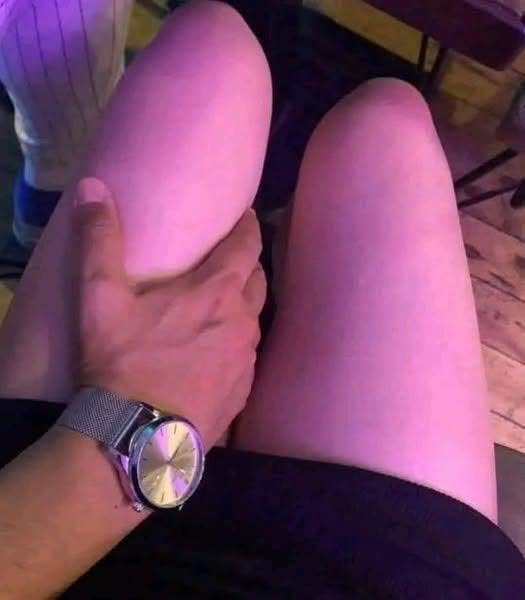
At first glance, these images might seem completely normal. You scroll past them without giving them much thought. But then something catches your eye. Maybe a person appears to have an extra arm. Maybe a pet looks larger than a car. Maybe two unrelated objects align so perfectly that your brain struggles to separate them. Suddenly, you’re staring at the image for much longer than you intended, trying to figure out what you’re actually looking at.
That’s the magic of photographic illusions.
Unlike digital edits or heavily manipulated images, many of the most fascinating photographic illusions happen naturally. They are often the result of being in the right place at exactly the right moment. A photographer might spend hours setting up the perfect shot, but sometimes the most unforgettable images are created entirely by accident. A split-second timing mistake can create a visual puzzle that leaves thousands of people scratching their heads.
Our brains are constantly trying to make sense of the world around us. Every second, they process enormous amounts of visual information and attempt to organize it into something logical and understandable. Most of the time, this system works incredibly well. But photographic illusions expose the weaknesses in that process. They take advantage of assumptions our brains make automatically, creating images that challenge our perception of reality.
Imagine a photo where a person appears to be holding up a giant building with just two fingers. Of course, we know that isn’t possible. Yet when the perspective lines up perfectly, our eyes briefly accept the illusion before logic steps in. For a moment, reality and imagination overlap, creating a scene that feels both ridiculous and believable.
Perspective is one of the most powerful tools behind these visual tricks. A small change in camera position can dramatically alter the way objects appear in relation to one another. Something far away can suddenly seem enormous. Something huge can appear tiny. A person standing several feet behind another person can look like they are balancing on someone’s shoulder. The camera flattens a three-dimensional world into a two-dimensional image, and in doing so, it creates opportunities for endless confusion.
Some of the funniest photographic illusions happen when animals are involved. Pets seem to have a natural talent for creating accidental masterpieces. A dog running through the background at just the right moment can appear to have a human body. A cat stretching in front of a mirror can create a shape that looks completely impossible. Horses, birds, and even squirrels have all become stars of viral photos simply because they happened to move into the frame at the perfect second.
Then there are the images where shadows become the main character. Shadows can completely transform the meaning of a photograph. An ordinary object can cast a shape that looks like something entirely different. A simple streetlight might create a giant figure on a wall. A tree branch might form what appears to be a mysterious creature lurking in the distance. These moments remind us that our eyes don’t just see objects—they interpret them. And sometimes that interpretation goes wildly off course.
Reflections are another source of endless visual confusion. Windows, mirrors, puddles, and shiny surfaces can create scenes that seem impossible to understand. A reflection can make it appear as though someone is floating in midair. It can blend two separate locations into one image. It can even create the illusion of people being in places they were never actually standing. The result is often a photograph that requires multiple viewings before everything finally makes sense.
Of course, not every illusion is subtle. Some are so outrageous that they instantly capture attention. You might see a photo of a giant hand reaching across a city skyline, only to realize it’s actually a much smaller object positioned close to the camera. You might see someone apparently walking on water before noticing a hidden platform beneath the surface. These larger-than-life illusions demonstrate just how easily perspective can fool us.
Social media has given photographic illusions a whole new stage. Decades ago, these images might have been shared among friends or published in magazines. Today, a single confusing photo can travel around the world in a matter of hours. Millions of people can examine it, debate it, and attempt to explain it. Some images become internet legends, generating countless theories before the simple truth is finally revealed.
Part of what makes these photos so enjoyable is the challenge they present. People love solving puzzles, and photographic illusions function like visual riddles. The image invites viewers to investigate every detail. Eyes scan the frame searching for clues. Brains work overtime trying to understand what happened. The moment the illusion is finally solved often brings a sense of satisfaction mixed with amusement.
Yet even after we understand the trick, the image doesn’t lose its appeal. In fact, knowing the explanation often makes the photograph even more impressive. We begin to appreciate the incredible timing, unusual circumstances, or creative thinking that made the illusion possible in the first place.
Professional photographers sometimes spend years mastering these techniques. Forced perspective photography, for example, intentionally uses distance and camera angles to create surreal effects. Tourists frequently use this method when taking photos at famous landmarks. People pretend to pinch the top of a tower between their fingers, hold the sun in their hands, or balance enormous monuments on their heads. These images may be playful, but they demonstrate a sophisticated understanding of how visual perception works.
At the same time, some of the greatest photographic illusions are created by complete accident. A random passerby enters the frame. A bird flies overhead. A shadow falls in an unexpected direction. The photographer presses the shutter at exactly the right moment, often without realizing what they’ve captured until later. These accidental masterpieces remind us that the world is full of surprising moments waiting to be discovered.
There is also something deeply human about our fascination with these images. They remind us that perception is not perfect. We like to think we see the world exactly as it is, but photographic illusions reveal that our brains are constantly making assumptions and shortcuts. Most of the time, those shortcuts help us navigate everyday life efficiently. Occasionally, however, they lead us into delightful confusion.
In many ways, photographic illusions celebrate creativity. They encourage us to look beyond first impressions and examine the details more closely. They challenge us to question what we think we know. They transform ordinary scenes into extraordinary experiences. A simple photograph becomes a conversation starter, a puzzle, and a work of art all at the same time.
The next time you come across a photo that makes absolutely no sense, resist the urge to scroll past it immediately. Take a closer look. Zoom in. Study the background. Examine the shadows. Pay attention to the perspective. Chances are there’s a perfectly logical explanation hidden somewhere within the frame. Finding it is part of the fun.
And even when the mystery is solved, the sense of wonder often remains. That’s because photographic illusions remind us that the world is far more interesting than it appears at first glance. Beneath ordinary moments lie endless opportunities for surprise, humor, and imagination. A camera doesn’t just capture reality—it captures the strange ways reality can be interpreted.
So buckle up, because the journey through photographic illusions is never predictable. Around every corner is another image that will make you laugh, stare, squint, and question everything you thought you were seeing. Some will leave you confused for seconds. Others will keep you puzzled for minutes. A few might even have you showing friends and family just to see if they can figure them out.
One thing is absolutely certain: once you step into this weird and wonderful world of photographic illusions, the way you look at pictures will never be quite the same again. What once seemed like a simple snapshot suddenly becomes something much more interesting. A photograph is no longer just a frozen moment in time—it becomes a mystery waiting to be solved, a puzzle hiding in plain sight, and sometimes even a challenge to everything you think you know about what you’re seeing.
Every image starts to feel different. Instead of glancing at a photo for a second or two before moving on, you find yourself stopping, zooming in, and examining every detail. Your eyes search the corners of the frame. You look at the background, the shadows, the reflections, and the perspective. You begin asking questions. Is that really what it looks like? Am I missing something? How did that happen? The more you look, the more fascinating the image becomes.
That’s the unique power of photographic illusions. They transform ordinary moments into unforgettable experiences. A simple picture taken on a random afternoon can become a source of endless curiosity. What might have been ignored under normal circumstances suddenly captures attention and refuses to let go. The image lingers in your mind long after you’ve seen it, inviting you to return again and again until you finally understand the trick—or perhaps until you realize that there may not be a trick at all, just an extraordinary coincidence.
Every photograph becomes a potential puzzle. Sometimes the illusion is obvious immediately, and the fun comes from figuring out exactly how it was created. Other times, the image appears perfectly normal until one tiny detail completely changes everything. You might notice an unusual shadow, an oddly positioned object, or a strange reflection that suddenly transforms the entire scene. In that moment, the photograph shifts from ordinary to extraordinary.
Every angle becomes an opportunity for creativity and mischief. Photographers have long understood that changing perspective can dramatically alter the way people interpret an image. Move a few steps to the left, crouch down slightly, or raise the camera a little higher, and suddenly reality looks completely different. A child can appear taller than a building. A pet can seem larger than a car. A distant landmark can look small enough to fit in the palm of someone’s hand. These playful tricks remind us that photography is not just about documenting reality—it’s also about exploring how reality can be perceived.
Even more remarkable is the fact that many of the most memorable illusions are not carefully planned. They happen by accident. A bird flies through the frame at exactly the right moment. Two strangers unknowingly line up in a way that creates a hilarious visual effect. A cloud drifts into position. A shadow falls in an unexpected direction. The photographer clicks the shutter at precisely the right second, often without realizing what has been captured until later. These accidental masterpieces prove that the world is constantly creating incredible moments if we’re paying attention.
Every ordinary moment becomes a chance for something extraordinary to happen. That’s one of the reasons photographic illusions are so captivating. They remind us that magic doesn’t always require special effects, expensive equipment, or elaborate planning. Sometimes all it takes is timing. Sometimes all it takes is seeing the world from a slightly different angle. The extraordinary is often hiding within the ordinary, waiting for the right perspective to reveal it.
Photographic illusions also reveal something fascinating about the human mind. Our brains are incredibly powerful, but they are not perfect. They constantly make assumptions about the information they receive. They fill in gaps, recognize patterns, and create shortcuts that help us understand the world quickly. Most of the time, these mental shortcuts are useful. However, illusions expose the moments when those shortcuts lead us astray. They reveal how easily our perceptions can be influenced by context, angle, lighting, and composition.
This is why two people can look at the exact same photograph and see completely different things at first. One person might immediately understand what’s happening, while another remains confused. The image becomes a conversation starter, encouraging people to compare interpretations and search for explanations together. In many cases, the discussion surrounding the illusion becomes just as entertaining as the illusion itself.
Social media has amplified this phenomenon dramatically. A single confusing image can spread across the internet within hours, reaching millions of viewers from around the world. People share theories, offer explanations, and challenge their friends to figure out what’s really happening. Some images become viral sensations simply because they are so difficult to understand at first glance. The mystery becomes part of the entertainment.
Yet the appeal of photographic illusions goes beyond simple confusion. They inspire curiosity. They encourage observation. They teach us to slow down and pay attention to details that we might otherwise overlook. In a fast-moving world where people often scroll past hundreds of images every day, an illusion forces us to stop. It demands our attention. It rewards patience and careful observation.
Perhaps that’s why these images continue to fascinate people of all ages. Children enjoy them because they are fun and surprising. Adults enjoy them because they challenge assumptions and spark curiosity. Professional photographers admire them because they showcase the incredible possibilities of perspective and composition. Casual viewers enjoy them because they provide a brief moment of wonder in an otherwise ordinary day.
That’s the enduring charm of photographic illusions. They remind us that reality is not always as straightforward as it seems. They show us that the world is full of unexpected surprises, hidden details, and remarkable coincidences. They blur the line between truth and appearance, encouraging us to look more carefully and think more deeply about what we’re seeing.
Most importantly, they remind us that wonder can be found almost anywhere. A city street, a family gathering, a pet in the backyard, a reflection in a puddle, or a shadow on a wall can all become the foundation for an unforgettable image. The extraordinary does not always exist in distant places or rare events. Often, it exists in the everyday moments we overlook.
And that is what makes photographic illusions so special. They transform the familiar into the surprising, the ordinary into the extraordinary, and the simple act of looking into an adventure. Once you begin noticing them, you realize that the world is filled with visual puzzles waiting to be discovered. Every photograph has the potential to tell a story, hide a secret, or reveal something unexpected. And once you’ve experienced that sense of curiosity and amazement, you’ll never look at photographs—or perhaps even the world around you—in quite the same way again.









Leave a Reply