
In accordance with the 1970 Bank Secrecy Act, the new order mandates that the Treasury Secretary and federal financial regulators provide banks with guidance on identifying customers whose profiles or transactions may indicate risks such as money laundering, terrorism financing, and labor trafficking.
The order stated that the purpose of these modifications is to “take into account the potential threats to the integrity of the United States financial system posed by foreign consular identification cards. ”
The order describes “red flags and typologies” associated with suspicious activity
Among these are repetitive cash withdrawals, the use of shell companies to conceal true account ownership, and the use of certain platforms for “off-the-books” wage payments.
The “red flags” also encompass the use of an individual taxpayer identification number (ITIN) in place of a Social Security number when opening an account or performing specific banking transactions. This number is accessible to all, irrespective of their immigration status, and is used to file and pay taxes.
Even for legitimate reasons, the move could exacerbate the challenges faced by non citizens, particularly undocumented immigrants, in obtaining financial services
The U. S. government has implemented a stringent policy regarding immigration, regardless of whether it is legal or illegal, has restricted the access of immigrants to public services, increased scrutiny for visa and citizenship applications, and detained and deported individuals in mass, including those with lawful immigration status.
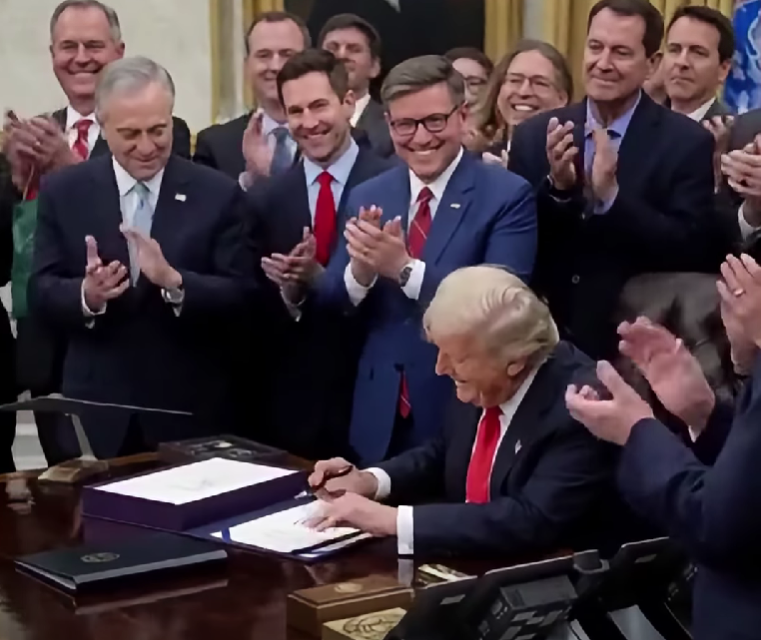
Trump Administration Expands Financial and Immigration Enforcement Measures Amid National Debate
The United States continues to face intense debate over immigration enforcement, financial regulation, and the role of government in balancing security, economic growth, and consumer protection. Recent policy initiatives associated with President Donald Trump’s administration have renewed discussions about how federal agencies should oversee financial institutions, verify customer identities, administer public benefits, and enforce immigration laws.
Supporters of the administration argue that these measures are necessary to strengthen national security, reduce fraud, and protect taxpayers. Critics contend that some proposals could create new barriers for immigrant communities, increase regulatory burdens for financial institutions, and raise concerns about privacy and access to financial services. As policymakers, economists, advocacy groups, and business leaders weigh in, the conversation has become one of the most significant policy debates in the country.
A Broader Focus on Financial Integrity
One of the administration’s primary objectives has been strengthening oversight within the financial system. Officials have emphasized the importance of ensuring that banks and financial institutions maintain robust customer identification procedures and comply with existing federal laws designed to prevent financial crimes.
The White House has argued that weaknesses in verification systems can be exploited by criminal organizations involved in money laundering, fraud, drug trafficking, and other illegal activities. Administration officials maintain that stronger standards can help prevent abuse while improving confidence in the banking system.
According to policy statements released by federal officials, the administration believes that stricter oversight can contribute to a safer financial environment for consumers and businesses alike. Supporters of these measures argue that effective verification practices are not only important for regulatory compliance but also essential for preserving trust in financial institutions.
Financial crimes remain a significant concern worldwide. Governments across the globe devote substantial resources to combating money laundering and other forms of illicit financial activity. The United States has long maintained extensive regulations intended to prevent the financial system from being used for criminal purposes.
Advocates of stronger enforcement argue that technological advancements have created new opportunities for criminals to move money across borders and conceal illegal transactions. As a result, they believe regulatory frameworks must evolve to address emerging threats.
Customer Identification Requirements
At the center of the debate are customer identification requirements, which require financial institutions to verify the identities of individuals seeking banking services. These requirements have existed in various forms for years and play a critical role in anti-money-laundering efforts.
Administration officials have suggested that additional reforms may be necessary to close perceived gaps in current systems. Supporters believe stronger verification procedures could reduce opportunities for fraud and improve compliance with federal laws.
Critics, however, warn that expanded requirements could increase costs for financial institutions and create obstacles for individuals attempting to access basic banking services. Consumer advocates often emphasize the importance of ensuring that legitimate customers are not unnecessarily excluded from the financial system.
Many experts note that access to banking services is closely connected to economic opportunity. Individuals who lack access to checking accounts, savings accounts, and credit products may face difficulties participating fully in the economy. As policymakers consider reforms, they must balance security concerns with the goal of maintaining financial inclusion.
The Debate Over ITIN Holders
A significant aspect of the discussion involves Individual Taxpayer Identification Numbers, commonly referred to as ITINs. These numbers are issued by the Internal Revenue Service to individuals who must file taxes but are not eligible for Social Security numbers.
For decades, ITINs have allowed millions of people to comply with tax obligations. Holders of these identification numbers include foreign investors, temporary residents, certain family members of U.S. citizens, and other individuals with tax filing responsibilities.
Some banks and lenders have historically accepted ITINs as part of their customer identification processes. In limited cases, financial institutions have also offered mortgage products to qualified borrowers using ITIN documentation.
Supporters of stricter regulations argue that lenders should apply consistent verification standards and ensure that borrowers meet all applicable legal requirements. They believe stronger oversight could reduce risk and improve transparency.
Opponents argue that individuals who pay taxes and participate in the economy should have reasonable access to financial services. They contend that responsible borrowers who demonstrate financial stability should not automatically face barriers solely because they lack traditional forms of identification.
The debate reflects broader questions about how immigration status intersects with economic participation. While opinions differ on policy solutions, many experts agree that the issue involves complex legal, financial, and social considerations.
Mortgage Lending and Housing Markets
Housing has become another focal point in discussions about financial policy. Mortgage lending standards significantly influence homeownership rates, housing affordability, and economic mobility.
Administration officials have pointed to instances in which lenders extended mortgages to borrowers using ITINs as evidence that additional review may be warranted. They argue that regulators should carefully evaluate lending practices to ensure consistency and compliance.
Industry experts note that mortgages issued to ITIN holders represent only a small portion of the overall housing market. Most lenders maintain strict underwriting standards regardless of the type of identification used by applicants.
Banks typically evaluate income, employment history, debt levels, credit history, and other financial factors before approving mortgage applications. Financial institutions also face regulatory requirements designed to reduce risk and promote responsible lending.
Housing economists generally emphasize that mortgage markets are influenced by numerous factors, including interest rates, housing supply, construction costs, wage growth, and broader economic conditions. While identification requirements may affect a limited segment of borrowers, larger market forces often play a more significant role in determining housing affordability.
Public Benefits and Tax Credits
Another area receiving attention involves proposals related to refundable tax credits and public benefits. Federal officials have discussed the possibility of reclassifying certain benefits, potentially affecting eligibility requirements for some non-citizens who file taxes in the United States.
Supporters argue that public benefits should be administered according to clearly defined legal standards established by Congress. They contend that taxpayer-funded programs should prioritize individuals who meet all eligibility requirements.
Critics respond that many non-citizens contribute to federal, state, and local tax systems and therefore have a stake in discussions about benefits and eligibility. They argue that changes could affect families that have long participated in the workforce and paid taxes.
The issue highlights the ongoing challenge of balancing fiscal responsibility with broader social and economic goals. Policymakers must consider legal frameworks, budgetary impacts, and the practical consequences of any proposed changes.
Immigration Enforcement and Public Opinion
Immigration enforcement remains one of the most politically divisive topics in American politics. Public opinion surveys frequently reveal significant differences in how Americans view border security, legal immigration pathways, asylum policies, and enforcement priorities.
Supporters of stronger enforcement argue that governments have a responsibility to maintain secure borders and ensure compliance with immigration laws. They believe consistent enforcement is necessary to preserve public confidence in the legal immigration system.
Others emphasize the economic and humanitarian dimensions of immigration. They point to the contributions immigrants make in industries ranging from agriculture and construction to healthcare and technology. Many also argue that immigration policy should reflect humanitarian principles and provide pathways for individuals seeking better opportunities.
Political leaders from both major parties have proposed various reforms over the years, but achieving consensus has proven difficult. As a result, immigration remains a central issue during election cycles and legislative debates.
Economic Perspectives
Economists continue to study the relationship between immigration and economic performance. Research findings vary depending on the specific issue being examined, the time frame considered, and the methodologies used.
Many economists agree that immigration contributes to labor force growth and can support long-term economic expansion. Immigrants often fill critical roles in industries experiencing worker shortages and contribute to entrepreneurship and innovation.
At the same time, economists acknowledge that immigration can create localized challenges in certain labor markets and communities. The effects may differ across regions, industries, and income groups.
Similarly, debates surrounding financial regulation involve competing economic priorities. Stronger regulations may reduce certain risks but can also increase compliance costs. Less regulation may encourage innovation but potentially expose institutions to greater vulnerabilities.
These trade-offs are central to policymaking and often explain why financial and immigration issues generate extensive debate.
Privacy and Civil Liberties Concerns
The possibility of expanded customer data collection has prompted discussion among privacy advocates and civil liberties organizations. Some groups argue that additional reporting requirements could increase the amount of personal information collected by financial institutions.
Supporters of enhanced data collection maintain that accurate information is essential for regulatory compliance and crime prevention. They argue that modern financial systems require effective verification procedures to identify suspicious activity.
Critics counter that increased data collection can raise privacy concerns and create risks if information is mishandled or improperly accessed. They emphasize the importance of maintaining safeguards that protect personal data while allowing regulators to perform their duties.
Balancing security and privacy has long been a challenge in democratic societies. Advances in technology have made this balance even more complex, as governments and institutions gain access to increasingly sophisticated tools for collecting and analyzing information.
The Role of Financial Institutions
Banks occupy a unique position within these debates because they serve as intermediaries between customers and regulators. Financial institutions must comply with extensive federal requirements while also meeting the needs of consumers and businesses.
Compliance departments play a crucial role in ensuring adherence to anti-money-laundering regulations, sanctions programs, and customer identification rules. Failure to meet regulatory standards can result in substantial penalties and reputational harm.
Industry representatives often emphasize that decisions regarding account management are typically based on legal and regulatory considerations rather than political preferences. Banks must evaluate risk and ensure compliance with applicable laws.
As regulations evolve, financial institutions frequently invest significant resources in technology, training, and compliance infrastructure. These investments can improve oversight but may also increase operational costs.
Cryptocurrency and Financial Innovation
While pursuing stricter oversight in some areas, the administration has also expressed support for innovation in emerging financial technologies, particularly cryptocurrency and digital assets.
Advocates of cryptocurrency argue that blockchain technology has the potential to improve efficiency, expand access to financial services, and strengthen America’s position in the global economy. Supporters believe innovation should be encouraged while maintaining reasonable safeguards.
Critics point to concerns regarding volatility, fraud, consumer protection, and regulatory uncertainty. Digital asset markets have experienced significant fluctuations, highlighting both opportunities and risks.
The challenge for policymakers is creating regulatory frameworks that support innovation without compromising financial stability. This balance has become increasingly important as digital assets gain greater attention from investors, businesses, and governments around the world.
Political Implications
The administration’s policies have broader political implications as well. Financial regulation and immigration enforcement are issues that resonate strongly with voters and often influence electoral outcomes.
Supporters view the measures as evidence of a commitment to law enforcement, fiscal responsibility, and national security. Critics argue that some proposals may have unintended consequences for families, businesses, and communities.
Political analysts note that debates over immigration and financial policy often reflect deeper disagreements about the role of government. Questions regarding regulation, enforcement, taxation, and economic opportunity frequently become symbolic of broader ideological differences.
These discussions are likely to remain central topics in American politics for years to come.
Looking Ahead
The future of these initiatives will depend on regulatory decisions, legal challenges, congressional actions, and public opinion. Federal agencies may continue refining proposals as they receive feedback from stakeholders, industry groups, and advocacy organizations.
Regardless of the outcome, the debates surrounding immigration enforcement, financial oversight, public benefits, and economic policy are expected to remain significant. The issues affect millions of individuals, businesses, and institutions across the country.
As policymakers navigate these challenges, they will face difficult decisions involving security, economic growth, privacy, fairness, and opportunity. Achieving consensus may be difficult, but the discussions will play an important role in shaping the future direction of the United States.
The ongoing conversation reflects a broader reality of modern governance: balancing competing priorities in a diverse and rapidly changing society. Whether one supports or opposes the administration’s proposals, there is little doubt that the issues involved will continue to influence public debate, economic policy, and political discourse for the foreseeable future.











Leave a Reply