

A dramatic image spread online, but the full story remains unclear.
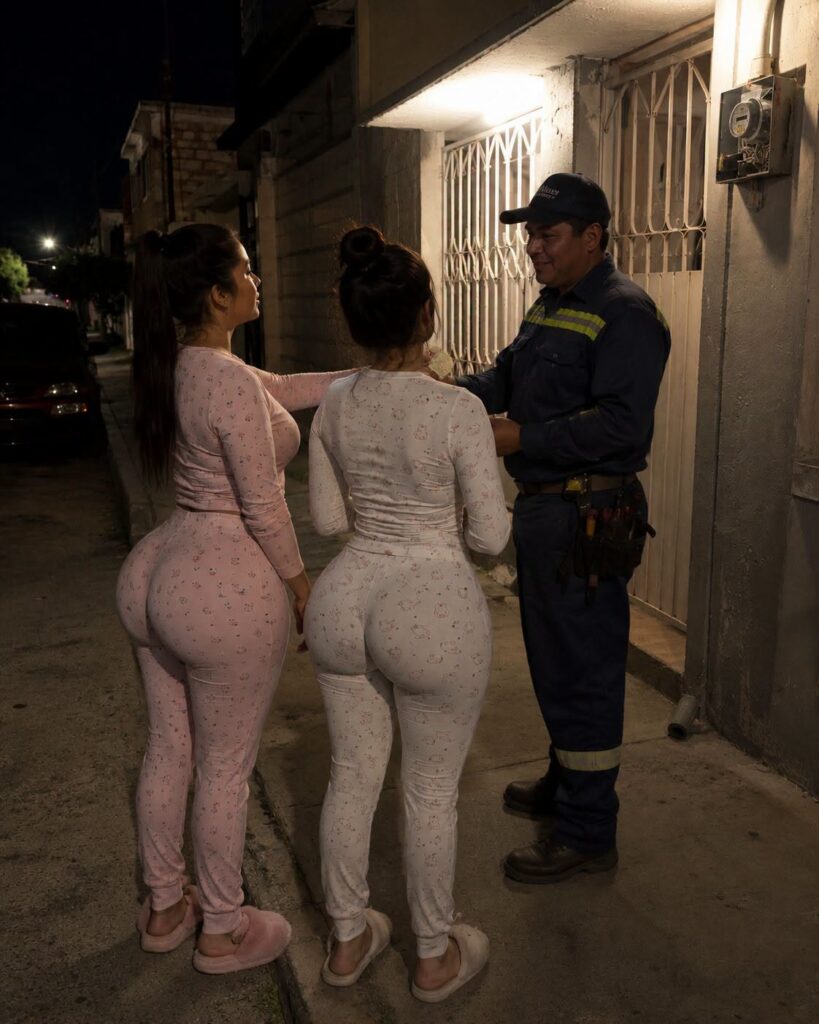
In the age of social media, a single image can capture the attention of millions within hours. A dramatic photograph, an incomplete headline, and a promise of shocking details are often enough to trigger a wave of clicks, comments, and shares. Recently, one such viral post featuring a young woman and an apparent interaction with law enforcement generated significant online discussion.
The post used an intentionally incomplete and somewhat mysterious caption, encouraging viewers to click on the story or image to find out more information. Rather than explaining the entire situation directly, the caption appeared to leave important details unanswered. This strategy is often used on social media and news-related platforms because it creates a sense of curiosity and encourages people to interact with the content. When users see an unusual photograph accompanied by a dramatic or incomplete description, they naturally begin to wonder what happened and why the situation occurred.
As is often the case with viral content, the mystery itself quickly became an important part of the attraction. People were not only interested in the photograph, but also in the story behind it. Viewers wanted answers to a number of questions: What exactly happened before the photograph was taken? Why was the woman being detained? Who were the people surrounding her? Was she actually involved in something serious, or was the situation being presented in a more dramatic way than it really was? These unanswered questions encouraged people to click, share, comment, and discuss the post with others.
The uncertainty surrounding the image also contributed to its rapid spread. When people do not have enough information to understand a situation, they often try to fill in the missing details themselves. Some viewers may make assumptions based on the woman’s appearance, the behavior of the people around her, or the wording of the headline. Others may repeat what they have heard from friends or read in comments, even if those claims have not been confirmed. As a result, a simple photograph can quickly become connected to a much larger story, with different people offering completely different interpretations of what they believe happened.
This is one of the reasons why viral photographs can be both powerful and misleading. A photograph captures a particular moment, but it does not necessarily explain what happened before or after that moment. It may show someone being detained, for example, but it cannot automatically tell viewers why the person was detained, whether the detention was justified, what events led to it, or what happened afterward. Without additional context, viewers are often left with only a small part of the overall story.
Media experts frequently point out that a compelling image does not automatically provide the full truth. Visual material can be extremely persuasive because people tend to believe what they can see with their own eyes. However, seeing an image is not the same as understanding the circumstances behind it. A photograph can be genuine while the caption, headline, or interpretation attached to it may be incomplete, misleading, exaggerated, or entirely unrelated to the original context.
In many cases, viral posts are specifically designed to create curiosity rather than provide complete information. Headlines and captions may deliberately leave out important facts because doing so encourages users to click on a link, watch a video, read an article, or engage in the comments. This does not necessarily mean that every viral post is false, but it does mean that viewers should be cautious about accepting the first explanation they encounter.
The situation becomes even more complicated when a photograph is shared thousands or millions of times. With each new share, the original caption can be changed, shortened, or replaced with a different interpretation. People who encounter the image later may have no idea where it originally came from or what information accompanied it when it was first published. Over time, the photograph can become separated from its original context and begin to represent a completely different story.
Social media algorithms can also contribute to this process. Content that generates strong emotional reactions, such as shock, anger, fear, or curiosity, is more likely to receive comments and shares. This can cause dramatic or mysterious posts to receive much more attention than ordinary posts containing detailed and carefully verified information. Consequently, users may encounter a dramatic image repeatedly and begin to assume that the story must be important or true simply because so many people are discussing it.
For this reason, it is important to distinguish between what is directly visible in an image and what is being claimed about the image. The photograph may show a woman being detained, but that visual fact alone does not establish the reason for the detention. Similarly, a dramatic headline may suggest that something extraordinary happened, but the headline itself is not proof that the underlying claim is accurate.
Without verified details from reliable sources, photographs alone cannot establish what actually occurred. To understand a situation properly, viewers need additional evidence, such as official statements, credible news reports, eyewitness accounts, videos showing the broader context, or other independently verified information. Comparing multiple reliable sources can also help determine whether the story being presented online matches the facts.
Ultimately, the popularity of a viral post should not be confused with the reliability of its information. A story can attract enormous attention while still lacking important context. The fact that thousands of people have shared an image does not necessarily make the claims surrounding it true. In the same way, the fact that a photograph appears convincing does not mean that viewers know the complete story behind it.
The mystery surrounding the image may have been one of the main reasons people became interested in the first place. However, curiosity should encourage further investigation rather than immediate conclusions. Before accepting a dramatic claim, it is important to ask where the image came from, when and where it was taken, who originally published it, and whether trustworthy sources have confirmed the explanation being given. Taking these steps can help prevent misunderstandings and reduce the spread of inaccurate information.
In the end, the photograph may be real, the situation may have been serious, and the story behind it may indeed be dramatic. But without sufficient evidence and reliable context, it is impossible to know exactly what happened based on the image alone. The most responsible approach is therefore to remain skeptical, look for verified information, and recognize that viral content often tells only part of a much larger story.









Leave a Reply