
The first explosions shattered more than buildings. They also shattered the belief that the conflict could still be contained. As jets from the United States and Israel reportedly struck targets in Iran, the world watched a dangerous new chapter unfold.
Inside Tehran, military commanders rushed to assess the situation. Allies across the region reacted cautiously, while global markets immediately felt the shock. One question quickly spread across governments and households alike: would this escalation trigger a wider war?
The strikes were part of an operation reportedly named Operation Epic Fury, described by U.S. and Israeli officials as a major effort to weaken Iran’s military and nuclear capabilities.
Officials from both countries argued that the operation targeted infrastructure they believed posed an imminent threat. They said the strikes were intended to prevent future attacks and disrupt critical military systems.
Images and videos circulating online showed damaged compounds and destroyed air-defense installations. At the same time, Iranian state media claimed that some missiles had been intercepted and warned that retaliation would follow.
Iranian leaders responded with strong language, promising what they called “devastating revenge.” The statements raised concerns that the confrontation could escalate beyond a single round of strikes.
Behind the scenes, diplomats from Europe and other regions quickly began urging restraint. Several governments warned that further escalation could destabilize the entire Middle East.
Meanwhile, ordinary families in cities such as Tehran and Tel Aviv waited anxiously for news. Many checked their phones and listened for sirens, unsure whether the night’s explosions would remain an isolated event or mark the beginning of a much larger conflict.
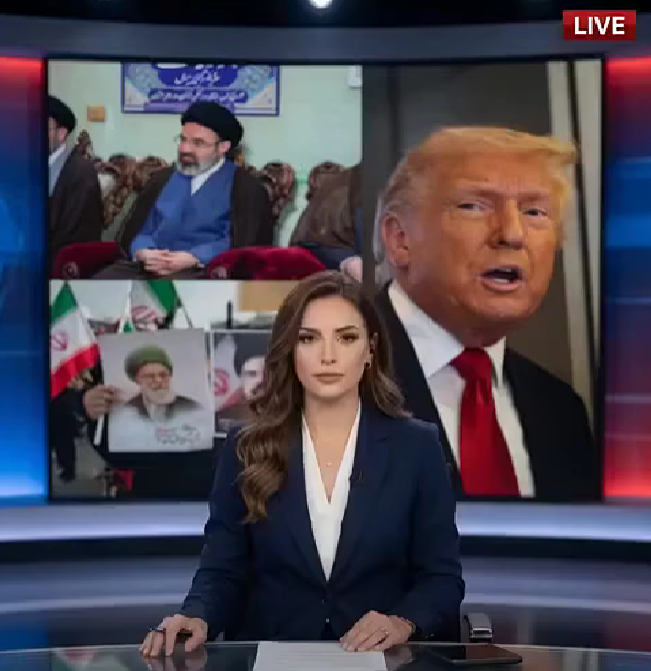
As reports emerged of major US and Israeli strikes against targets inside Iran, a familiar fear spread rapidly across the Middle East and far beyond it: what happens when a confrontation that has already pushed the region to the brink suddenly becomes something much bigger?
For people watching from thousands of miles away, the images were difficult to ignore. Night skies were illuminated by flashes. Sirens sounded. Smoke rose above damaged areas. Military forces were placed on heightened alert, while governments around the world began assessing what the latest escalation could mean for regional security.
Inside Tehran, military commanders were reportedly working to determine the scale of the damage and the next steps available to Iran. Across the region, allies and neighboring governments reacted cautiously, aware that even a limited exchange of strikes could potentially trigger a chain reaction involving multiple countries and armed groups.
The operation was reportedly referred to as Operation Epic Fury, with US and Israeli officials describing the campaign as a major effort aimed at weakening Iran’s military capabilities and its nuclear infrastructure.
According to statements attributed to officials involved in the operation, the strikes were intended to hit facilities and systems considered significant to Iran’s ability to develop weapons, launch attacks and defend strategic sites.
But while officials presented the operation as a security measure, the consequences were immediately felt far beyond the targets themselves.
Images and videos circulating online appeared to show damaged military compounds, destroyed air-defense systems and areas affected by explosions. However, as with any rapidly developing conflict, the precise circumstances surrounding individual images and videos remained difficult to independently verify.
Iranian state media, meanwhile, reported that some incoming missiles had been intercepted and emphasized the country’s ability to respond. Iranian officials warned that the strikes would not go unanswered.
The language coming from Tehran was particularly concerning.
Iranian leaders promised what they described as “devastating revenge,” raising fears that the confrontation could move into another and potentially more dangerous phase.
That possibility immediately became one of the biggest questions facing governments around the world.
Would Iran respond directly?
Could Israel face another wave of attacks?
Would American military installations in the region become targets?
Could allied armed groups become involved?
And perhaps most importantly, could a conflict that began with strikes against specific military and nuclear targets eventually expand into a broader regional war?
Those questions quickly moved from military headquarters to ordinary households.
In Tehran, residents reportedly faced an uncertain night, with many people closely following emergency announcements and reports of additional explosions. In Tel Aviv and other Israeli cities, residents likewise remained alert as concerns grew over the possibility of retaliation.
For families caught in the middle of the crisis, geopolitical calculations mattered less than the immediate question of whether it was safe to leave their homes.
Phones became essential sources of information.
People monitored social media.
News broadcasts continued around the clock.
Every distant explosion created another wave of anxiety.
And every new statement from government officials was examined for clues about what might happen next.
The uncertainty was made worse by the speed at which information spread online.
Videos claiming to show explosions, missile launches and military movements appeared across social media within minutes. Some were genuine, while others were old footage, incorrectly labeled material or content that could not immediately be verified.
That created another challenge for people attempting to understand what was actually happening.
Meanwhile, governments in Europe and elsewhere urged restraint.
Diplomats warned that continued escalation could have consequences extending far beyond Iran and Israel. A prolonged confrontation could threaten neighboring countries, disrupt energy markets, affect international shipping routes and create another major humanitarian crisis in a region already dealing with years of instability.
Financial markets also reacted to the uncertainty.
Energy prices became a particular concern because the Middle East remains central to global oil and gas supplies. Any serious disruption to production or shipping could potentially affect economies far beyond the region.
But perhaps the most dangerous element was the uncertainty surrounding what would happen next.
Military operations can be planned around specific targets. Retaliation, however, can create unpredictable consequences.
A missile launched in response to an earlier strike could hit a different location. A defensive interception could be interpreted as another act of escalation. An attack on a military installation could trigger another response.
And suddenly, what began as a limited operation could develop into a cycle that becomes increasingly difficult to stop.
That is why the latest developments have attracted such intense international attention.
The central issue is no longer simply what was destroyed in the initial strikes.
It is what happens afterward.
Iran has repeatedly emphasized its right to respond to attacks against its territory and military infrastructure. Israel has consistently argued that it must act against threats it considers severe. The United States has also framed its military actions around protecting its interests and preventing threats from developing further.
Each side has its own explanation for the events.
But for ordinary people, the consequences are much simpler.
Families want to know whether they can sleep safely.
Parents want to know whether their children will wake up to another night of explosions.
Businesses want to know whether they can remain open.
Travelers want to know whether airports will continue operating.
And governments across the region want to know whether the next strike will remain isolated or become the beginning of something much larger.
The first explosions may have destroyed military facilities and other infrastructure.
But they also destroyed another fragile assumption: that the confrontation could remain permanently contained.








Leave a Reply