
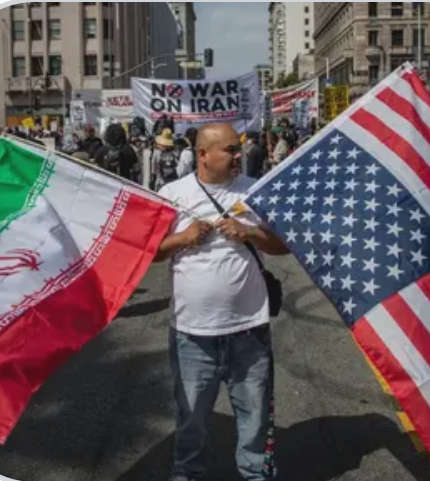
In a significant development amid escalating tensions in the Middle East, Iran has signaled that it is not interested in a temporary ceasefire, but rather a complete and lasting end to the ongoing war.
According to recent statements from Iranian officials, Tehran views ceasefires as short-term solutions that often fail to address the root causes of conflict. Instead, the country is pushing for a comprehensive resolution that would permanently halt hostilities and prevent future outbreaks of violence. This position reflects a broader strategic stance: Iran wants guarantees that the war will not simply pause, only to resume again later.
Iranian Foreign Minister Abbas Araghchi has emphasized that any agreement must ensure a definitive conclusion to the conflict. He has also made clear that Iran does not trust ceasefire arrangements, arguing they have historically been violated or used as tactical pauses by opposing forces. ()
The announcement comes as reports indicate increasing international efforts to broker peace. The United States has reportedly proposed a multi-point plan aimed at ending the war, including conditions related to Iran’s nuclear program, regional influence, and sanctions relief. However, Iranian officials have pushed back, denying that they are engaged in direct negotiations and criticizing U.S. proposals as unrealistic or one-sided.
Meanwhile, the conflict continues to have wide-ranging consequences across the region. Military exchanges, disruptions in key shipping routes like the Strait of Hormuz, and rising geopolitical tensions have all contributed to global uncertainty. Iran maintains that any pathway to peace must include accountability for what it describes as aggression by the United States and its allies, as well as guarantees of sovereignty and security.
This latest stance underscores a critical divide in how the conflict might be resolved. While some international actors advocate for an immediate ceasefire to halt the violence, Iran is making it clear that, from its perspective, only a full and final end to the war is acceptable.
As diplomatic efforts continue, the gap between a temporary truce and a permanent settlement remains one of the biggest obstacles to peace.










Leave a Reply