

In the age of social media, the speed and scale at which information travels have reached levels that were once unimaginable. A single post, video, or message can cross continents within seconds, reaching millions of people before traditional news outlets even have the chance to verify the facts. This instant connectivity has transformed the way society consumes information, making news more accessible than ever before. However, alongside these advantages comes a serious and growing challenge: the rapid spread of misinformation.
Recently, viral posts and messages have circulated online claiming that President of Mexico has been arrested. These claims have gained significant traction across major platforms such as Facebook, Twitter (X), TikTok, and WhatsApp, where users frequently share content with little to no verification. What began as a handful of posts quickly evolved into a widespread narrative, with thousands—if not millions—of users encountering and engaging with the claim.
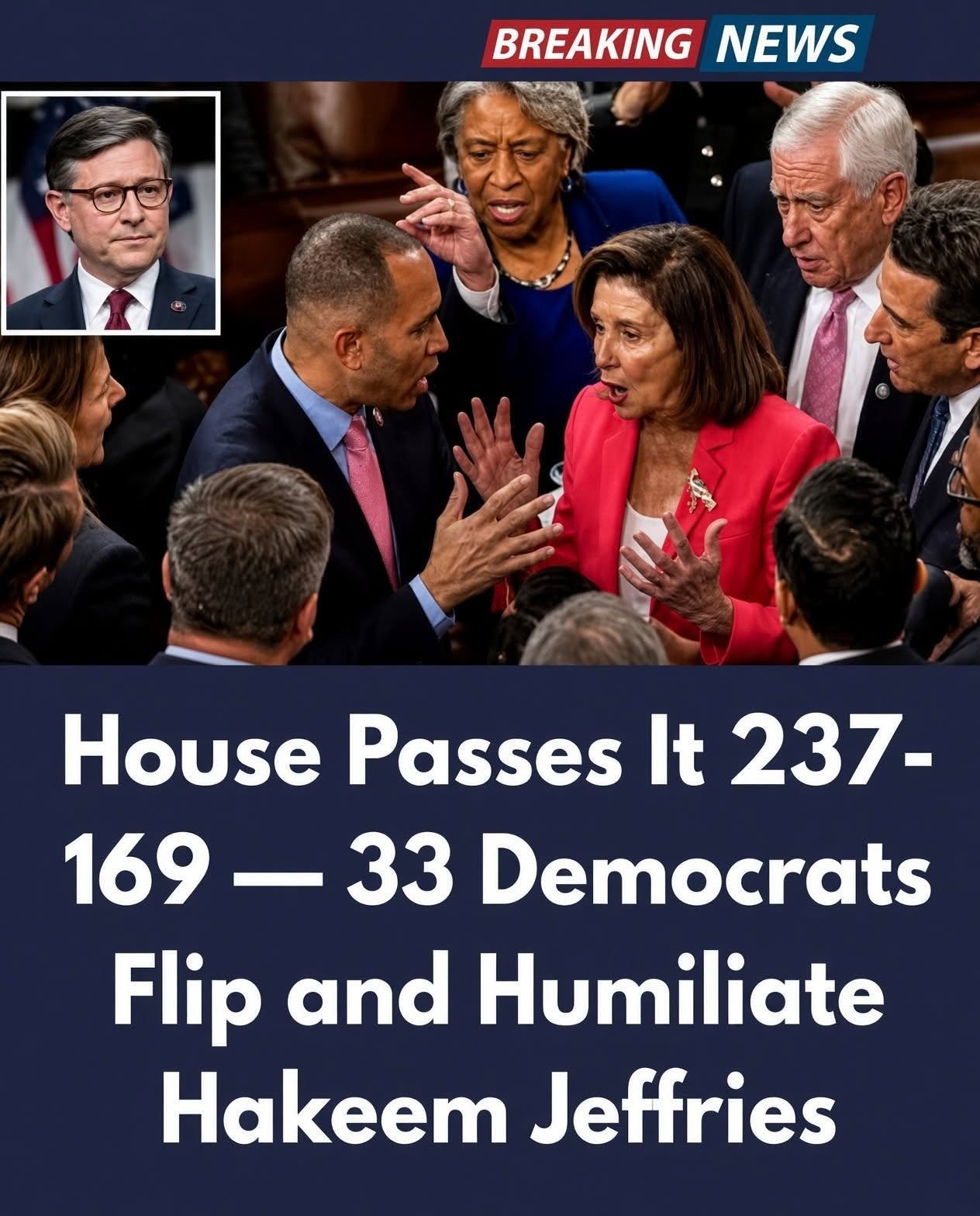
At first glance, these posts can appear convincing. Many are designed to mimic legitimate news reports, using familiar logos, dramatic headlines, or edited visuals to create a sense of urgency and credibility. Some even include fabricated quotes or supposed “insider information” to strengthen the illusion of authenticity. For users scrolling quickly through their feeds, it becomes increasingly difficult to distinguish between what is real and what is manipulated. This is especially true when the content aligns with pre-existing beliefs or expectations, making people more likely to accept and share it without question.
The emotional aspect of social media plays a significant role in the spread of such claims. Content that provokes strong reactions—such as shock, anger, fear, or disbelief—is far more likely to be shared. When users encounter a headline suggesting that a national leader has been arrested, the instinctive reaction is often to share the information immediately, either out of concern or surprise. This emotional impulse can override rational thinking, leading to the rapid amplification of unverified information.
In reality, there has been no credible or confirmed report from reliable sources indicating that Mexico’s president has been arrested. Established news organizations, official government channels, and verified journalists have not reported any such development. This strongly suggests that the viral claims are false or misleading. However, the nature of misinformation is such that by the time corrections are issued, the original false narrative may have already reached a vast audience, making it difficult to fully reverse its impact.
This phenomenon highlights a broader issue within the digital information ecosystem. Social media platforms are powered by algorithms that prioritize engagement—likes, shares, comments, and views. Unfortunately, sensational or controversial content tends to perform better in this environment, regardless of its accuracy. As a result, misleading or false posts are often pushed to wider audiences simply because they generate more interaction. This creates a feedback loop in which misinformation is continuously amplified, gaining visibility and perceived credibility over time.
Another important factor is the role of repetition. When people see the same claim multiple times across different platforms or from different sources, they are more likely to believe it, even if it is false. This psychological effect, sometimes referred to as the “illusion of truth,” makes misinformation particularly powerful in the social media age. A rumor that is repeated often enough can begin to feel like a confirmed fact, even in the absence of evidence.
The global reach of platforms like Facebook and TikTok also means that misinformation is no longer confined to one region. A false claim originating in one country can quickly spread to audiences worldwide, often being translated, reshaped, or taken out of context along the way. In the case of the alleged arrest, the story has crossed borders, reaching people who may not have direct access to reliable local news sources to verify the information.
The consequences of such misinformation can be serious. False claims about political figures can create confusion, damage public trust, and even influence public opinion. In some cases, they may contribute to political instability or unnecessary panic. When people are unable to distinguish between accurate reporting and fabricated stories, the overall quality of public discourse begins to decline.
Furthermore, misinformation can have a lasting impact even after it has been debunked. Some individuals may never encounter the correction, while others may choose to ignore it, continuing to believe the original claim. This persistence makes misinformation particularly difficult to combat, as it can continue to circulate long after it has been proven false.
To address this growing challenge, it is essential for individuals to adopt a more critical and mindful approach to the information they consume. This includes verifying sources, cross-checking information with reputable outlets, and being cautious about sharing content that has not been confirmed. Official government statements, established news organizations, and verified accounts are generally more reliable than anonymous posts or unverified pages.
Education also plays a key role in combating misinformation. Media literacy—understanding how information is created, distributed, and manipulated—can empower users to recognize false or misleading content. By learning to identify warning signs such as sensational headlines, lack of credible sources, or inconsistencies in the information, individuals can make more informed decisions about what to trust.
At the same time, social media platforms themselves have a responsibility to address the spread of misinformation. This includes improving content moderation, promoting reliable sources, and providing users with tools to report false or misleading posts. While progress has been made in this area, the sheer volume of content being shared every day makes it an ongoing challenge.
Ultimately, the viral claims about Mexico’s president being arrested serve as a clear example of how quickly misinformation can spread in today’s digital world. They highlight the importance of critical thinking, responsible sharing, and the need for greater awareness when navigating online spaces.
In conclusion, while social media has revolutionized the way we access and share information, it has also created new vulnerabilities that must be addressed. The responsibility to combat misinformation is shared by everyone—platforms, content creators, and users alike. By approaching information with curiosity, caution, and a commitment to truth, individuals can play a vital role in ensuring that accurate and reliable information prevails.
As the digital landscape continues to evolve, so too must our ability to navigate it wisely. In a world where information moves at incredible speed, the value of truth, verification, and integrity has never been more important.










Leave a Reply