
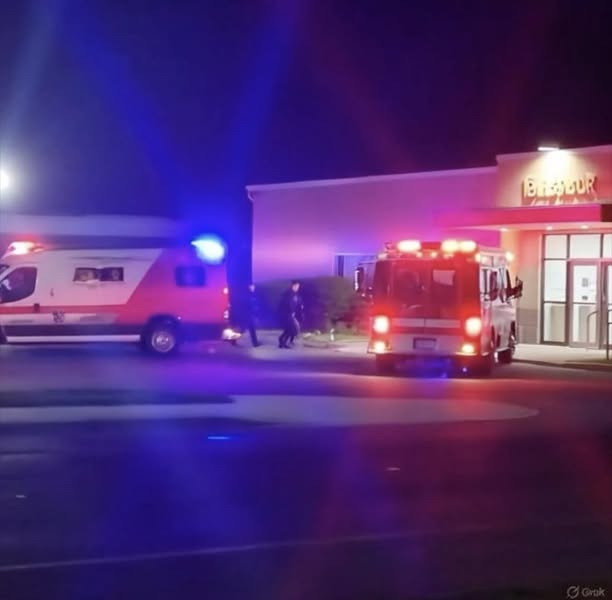
Thousands gathered at the Route 91 Harvest festival, a popular country music event held on the Las Vegas Strip. The atmosphere was electric—fans singing along, lights flashing in vibrant synchrony, and artists performing beneath the sprawling desert sky. The warm air carried the sounds of guitars, drums, and laughter, blending into a collective celebration of music and human connection. Families, friends, and strangers alike came together to experience a night of joy, shared rhythms, and the communal escape that music provides. For many, this festival was the highlight of the year, a space where everyday worries were suspended, and the only concern was the music and the moment. Children danced with abandon, teenagers sang along to their favorite songs, and adults allowed themselves to be immersed in the melodies, their worries fading with every beat. But at 10:05 p.m., that vibrant celebration was shattered in an instant. The sound of gunfire pierced the air, a violent intrusion that transformed joy into panic, laughter into screams, and a night of music into a nightmare.
The ripple effects of that night extended far beyond the boundaries of the festival grounds. Survivors returned to homes and routines that would never feel quite the same. The city of Las Vegas, a metropolis renowned for its bright lights and perpetual energy, paused—its neon signs flickering in defiance against a profound, collective grief. The streets that usually pulsed with nightlife seemed quieter, as though the city itself were absorbing the weight of tragedy. In the days and weeks that followed, local schools, workplaces, and public spaces became arenas for conversations that had previously been avoided. Discussions about safety, vulnerability, and preparedness took on new urgency, transforming abstract concerns into tangible, personal realities. Teachers addressed the fears of students with sensitivity and caution, parents reevaluated routines once considered mundane, and community leaders confronted the stark reality of life’s fragility. Questions that had once been theoretical—“How do we keep ourselves and others safe?” or “How do we process trauma while continuing life?”—now demanded practical, often immediate answers.
For survivors, the psychological aftermath manifested in deeply personal and varied ways. Many experienced vivid flashbacks, triggered by the simplest of reminders: a fireworks display that sounded eerily similar, the rustle of a crowd in a busy street, or a sudden loud shout. Their minds, once accustomed to interpreting these signals as ordinary background noise, now read them as potential threats. Sleep became a battleground where dreams replayed fragments of that night in endless loops, oscillating between terror, disbelief, and survivor guilt. Some individuals found themselves avoiding crowded or enclosed spaces, a reaction born of instinct rather than rational thought. The act of attending a concert, entering a bustling sports arena, or even walking through a familiar busy street transformed into a calculated exercise in vigilance. Small, everyday actions—like choosing a seat in a theater, checking exits, or scanning for potential hazards—became second nature, and the simple freedom to exist in public spaces was forever altered.
Physical injuries were only one layer of survival. Many endured complex medical recoveries that extended far beyond initial treatment. Gunshot wounds, fractures, and lacerations healed visibly, yet chronic pain, nerve damage, and phantom sensations persisted long after hospital discharge. For some survivors, regaining mobility required months of rehabilitation, each step a testament to resilience, determination, and the fragile, incremental progress of recovery. Medical procedures, while essential for survival, often became reminders of vulnerability and loss, each appointment or therapy session evoking memories of that night. The body, once a source of ordinary function and strength, now bore the invisible weight of trauma alongside visible scars. For survivors, the journey to physical recovery was intertwined with psychological healing, a complex, ongoing negotiation between the limitations imposed by injury and the desire to reclaim normalcy.
Families of the deceased confronted an unalterable reality, one that reshaped holidays, birthdays, anniversaries, and daily life. The absence of a loved one transformed previously ordinary routines into spaces of remembrance and quiet reflection. Meals that had been shared with laughter became punctuated by silence or by memory, a space where presence was replaced by the weight of absence. Personal belongings—clothes, books, music, and photographs—transformed into sacred artifacts, fragments of the lives that had been abruptly interrupted. Some families created structured ways to navigate grief, establishing memorial rituals, annual gatherings, or charitable projects in the memory of those lost. These practices allowed for the expression of sorrow while fostering a sense of purpose and continuity. They became acts of resilience, bridging the space between profound loss and the human need for connection, ritual, and meaning.
The psychological and emotional toll extended to first responders as well. Police officers, firefighters, and paramedics who faced the chaos directly experienced trauma that often remained invisible. Returning to duty did not erase the images of panic-stricken crowds, the echoes of gunfire, or the urgency of life-saving decisions. These experiences became embedded in personal and professional identities, shaping how responders approached both work and daily life. Support programs, peer networks, and counseling services proved essential in helping them navigate these invisible wounds. In many cases, first responders found themselves balancing the demands of their roles with the ongoing psychological processing of an event that defied comprehension. The impact on these individuals highlighted the broader societal need to recognize and support those who serve on the front lines of crisis, whose courage often comes at the cost of their own mental health.
Beyond the immediate community, the national response to the Las Vegas shooting reflected both sorrow and solidarity. Vigils, memorials, and moments of silence arose across the United States, creating spaces for collective mourning and reflection. Musicians, artists, and celebrities lent their voices to honor the victims, while ordinary citizens contributed through blood donations, volunteer efforts, and financial support. Social media platforms became arenas for connection, remembrance, and advocacy, allowing individuals to offer empathy, share stories, and provide recognition to survivors and affected families. Strangers reached out, forming temporary communities of care and mutual understanding, reinforcing the notion that human compassion can emerge even amidst the most incomprehensible acts of violence. This collective response underscored a crucial aspect of human resilience: the capacity to act with empathy and solidarity, even when confronted with circumstances that defy logic and evoke profound grief.
The shooting also catalyzed national debates over firearm regulations, mental health support, and public safety protocols. Lawmakers, advocacy organizations, and concerned citizens engaged in discussions about the accessibility of high-powered weapons, the need for early intervention for individuals displaying concerning behaviors, and strategies to prevent similar tragedies in the future. These debates were often complex, balancing constitutional rights with the need for public safety, and spanned months and years of legislative and societal discourse. Yet, the urgency generated by this tragedy reshaped national awareness of mass violence, prompting a reevaluation of policies and priorities in ways that remain ongoing.
Years later, reflections on the Las Vegas shooting continue to examine what it means to recover, remember, and rebuild. Survivor networks, counseling programs, and support groups provide spaces for dialogue, mutual understanding, and shared healing. Art, literature, and public memorials convey aspects of the experience that defy statistical representation, giving voice to the emotions, resilience, and humanity that emerged amidst tragedy. These creative and communal endeavors act as both testimony and tribute, capturing the enduring human spirit and the determination to derive meaning from loss. In the quiet spaces of reflection, survivors and community members alike find ways to process grief, commemorate lives lost, and foster resilience in themselves and others.
In everyday life, the legacy of that night is often subtle but profound. Ordinary experiences—a shared meal, a conversation with a friend, a walk through a park—acquire heightened significance. Survivors and those affected navigate a world in which vulnerability is visible and awareness is acute. Choices, behaviors, and relationships are informed by empathy, caution, and a renewed appreciation for life. The long-term impact manifests in small, deliberate acts: a willingness to listen, a heightened sense of communal responsibility, or the intentional cultivation of gratitude for fleeting moments of joy and connection. The lesson of impermanence underscores the importance of intentionality in human interactions and the care required to maintain emotional and physical well-being.
Memorials and commemorative practices have also played a vital role in shaping public remembrance. The Route 91 Harvest site, though no longer hosting concerts, stands as a symbol of collective memory and reflection. Annual vigils and remembrance events provide opportunities for solidarity, meditation, and renewed commitment to safety, compassion, and memory. Through these rituals, communities maintain connections to the past, honoring those lost while finding ways to navigate forward. Art installations, public plaques, and community gatherings further reinforce these acts of remembrance, creating spaces where grief, memory, and hope coexist. In these settings, both survivors and broader society confront the tension between loss and resilience, despair and hope, absence and presence.
The ongoing narrative of that night highlights a fundamental truth: resilience is not a singular act or moment of triumph but a lifelong process. It encompasses healing, adaptation, advocacy, and the capacity to derive meaning in the aftermath of trauma. Resilience manifests in personal recovery, communal support, and society’s collective ability to process loss while striving to prevent future harm. Every individual affected, whether directly or indirectly, navigates their own path of adjustment, reflection, and reclamation of agency. The journey involves acknowledging vulnerability, confronting pain, seeking support, and finding ways to continue living fully and intentionally despite the trauma experienced.
Even as years pass, the memory of that night continues to inform actions, shape perspectives, and inspire reflection on life’s impermanence and the necessity of human connection. Ordinary experiences—attending a concert, participating in a community event, spending time with loved ones—are now viewed through a lens of awareness, appreciation, and deliberate engagement. Survivors, families, and community members carry lessons learned into every interaction, fostering empathy, understanding, and vigilance. The enduring impact serves as a reminder that human connection is both fragile and essential, and that collective responsibility and care form the bedrock of a resilient society.
Ultimately, the Las Vegas shooting is remembered not solely for the tragedy itself but for the resilience, courage, and humanity that emerged in its aftermath. Memory, connection, and the determination to honor lives lost remain central to the ongoing narrative. In these spaces—between grief and healing, despair and hope, absence and presence—the lasting impact of that night continues to unfold. The story extends beyond a singular event into a broader reflection on the endurance of the human spirit, the significance of community, and the interplay of memory and action in shaping meaning. Even in moments defined by fear and violence, there exists the capacity for courage, compassion, and commitment to life. By carrying forward this legacy—through remembrance, care, and vigilance—the tragedy transforms into a narrative not only of loss but also of enduring human strength and hope.








Leave a Reply