
Introduction
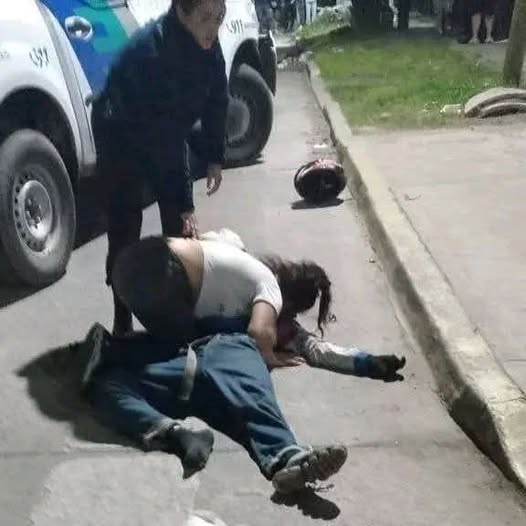
Only two minutes earlier, everything seemed normal. Then suddenly, the situation changed completely. A human life was hanging by a thread, and every second became important. Panic, fear, confusion, and urgency filled the air as someone desperately tried to save a person in critical condition. In moments like these, life reveals how fragile it truly is. No one is ever fully prepared to witness another human being struggling between life and death.
Medical emergencies are among the most emotional and intense experiences a person can face. Whether the victim is a stranger, a friend, or a family member, seeing someone unconscious, unable to breathe, or severely injured creates an atmosphere of terror and helplessness. Yet within these frightening moments, acts of courage, humanity, and determination often appear. Ordinary people become heroes, doing everything they can to keep another person alive until help arrives.
This article explores the emotional reality of critical medical emergencies, the importance of immediate action, the psychological impact on rescuers, and the incredible value of human compassion during life-threatening situations.
The Suddenness of Medical Emergencies
One of the most terrifying aspects of a medical emergency is how suddenly it can happen. A person may appear healthy and stable one moment, then collapse unexpectedly the next. Heart attacks, strokes, severe injuries, allergic reactions, drowning incidents, or breathing failures can occur without warning. In many situations, those nearby have only minutes—or even seconds—to respond.
The phrase “it just failed” can describe the human body in tragic ways. Sometimes the heart suddenly stops beating correctly. Sometimes the lungs cannot provide enough oxygen. Sometimes the brain loses critical function after trauma or lack of blood flow. The human body is incredibly strong, but also extremely vulnerable.
When someone enters critical condition, time becomes the enemy. Every minute without oxygen or medical intervention increases the risk of permanent damage or death. This is why emergency responders often describe their work as a race against time. Ambulances, paramedics, doctors, and nurses are trained to react quickly because hesitation can cost lives.
However, professional medical teams are not always immediately present. In many emergencies, the first person who responds is an ordinary civilian—a friend, a family member, or even a stranger walking nearby. Their actions in those first moments can make the difference between survival and tragedy.
The Emotional Chaos of the Moment
When a person is fighting for their life, emotions become overwhelming. Fear spreads instantly. People may begin shouting, crying, or panicking because they do not know what to do. The human brain often struggles to process traumatic events in real time.
For the person attempting to save the victim, the pressure can feel unbearable. Imagine kneeling beside someone who is unconscious and barely breathing. Imagine hearing desperate voices around you while knowing that every second matters. The rescuer must remain focused despite the emotional chaos.
Adrenaline plays a major role in these situations. The body enters survival mode, increasing heart rate and sharpening awareness. Some people freeze under pressure, unable to move or think clearly. Others act instinctively, using whatever knowledge or courage they possess to help the victim.
Witnessing a person near death can leave a permanent emotional mark. Even after the emergency ends, rescuers often replay the event repeatedly in their minds. They may wonder whether they did enough or whether different actions could have changed the outcome. These emotional effects can remain for months or years.
Yet despite the fear and trauma, many rescuers continue fighting with extraordinary determination. Human beings possess a deep instinct to protect life, especially when another person depends entirely on them for survival.
The Importance of Immediate Action
Medical professionals consistently emphasize one critical truth: immediate action saves lives. During emergencies, waiting too long can be fatal. Cardiopulmonary resuscitation (CPR), emergency breathing assistance, bleeding control, or simply calling emergency services quickly can dramatically improve survival chances.
CPR is especially important during cardiac arrest. When the heart stops pumping blood effectively, the brain begins losing oxygen almost immediately. Performing chest compressions helps maintain blood circulation until medical teams arrive. Studies have shown that fast CPR significantly increases survival rates.
Similarly, controlling severe bleeding can prevent a victim from dying before reaching the hospital. In cases of choking, quick intervention may restore breathing. During allergic reactions, rapid use of medication such as epinephrine can prevent airway collapse.
Unfortunately, many people feel unprepared to help because they lack medical training. Fear of making mistakes often prevents action. However, experts repeatedly explain that doing something is usually better than doing nothing. Even basic efforts may provide valuable time for emergency professionals to arrive.
Communities around the world increasingly encourage first-aid education because emergencies can happen anywhere—at home, on the street, at school, or at work. Knowledge saves lives, and preparation transforms ordinary people into potential lifesavers.
Human Courage During Crisis
One of the most powerful aspects of life-threatening emergencies is witnessing human courage. In moments of disaster, many individuals risk their own safety to save others. Some pull victims from burning vehicles, others dive into dangerous waters, and some perform CPR for long periods while waiting for help.
Courage does not mean the absence of fear. In reality, most rescuers are terrified. Their hands shake, their hearts race, and uncertainty fills their minds. True courage means acting despite fear because another human life matters more than personal comfort.
Stories of bravery during emergencies often inspire entire communities. Videos of strangers helping injured people frequently spread online because they remind society that compassion still exists. In a world often filled with division and negativity, acts of rescue reveal humanity at its best.
Healthcare workers demonstrate this courage daily. Doctors, nurses, paramedics, and emergency responders constantly face high-pressure situations where lives depend on their decisions. They witness pain, trauma, and death regularly, yet continue working to save as many people as possible.
Families also show incredible strength during medical crises. Parents fight tirelessly for their children, partners remain beside loved ones in hospital rooms, and friends refuse to give up hope even in the darkest moments. Emotional support can become a powerful source of strength for critically ill patients.
The Psychological Impact on Rescuers
Saving—or attempting to save—a life can deeply affect mental health. Many rescuers experience emotional exhaustion after traumatic incidents. Some develop anxiety, nightmares, or symptoms of post-traumatic stress disorder (PTSD).
This is especially common when the outcome is tragic. Losing someone despite intense efforts creates feelings of guilt and sadness. Rescuers may question themselves repeatedly, asking whether they acted fast enough or performed the correct steps.
Even professional emergency workers struggle emotionally. Constant exposure to trauma can lead to burnout and psychological stress. For this reason, mental health support for healthcare professionals and first responders has become increasingly important.
At the same time, successful rescues can create profound emotional connections. Knowing that your actions helped save a human life can change a person forever. Many survivors later meet the people who rescued them, creating unforgettable moments of gratitude and emotion.
These experiences reveal the deep emotional complexity of emergency situations. They are not simply medical events—they are human stories filled with fear, sacrifice, hope, and compassion.
Hope in Critical Moments
Even during the darkest emergencies, hope remains essential. Medical science has advanced tremendously, allowing doctors to save lives that once would have been impossible to protect. Modern emergency medicine, surgical techniques, and intensive care units provide critically ill patients with better survival chances than ever before.
Hope also motivates rescuers to continue fighting. Many survivors of near-death experiences were saved because someone refused to give up on them. A few extra minutes of CPR, one more emergency procedure, or immediate transport to the hospital can completely change an outcome.
Families waiting outside emergency rooms often experience emotional agony. Every update from doctors becomes incredibly important. In these moments, hope becomes a source of survival for everyone involved.
Not every story ends positively, and that reality is painful. However, the willingness to try—to fight for another person’s life even when the situation appears hopeless—is one of humanity’s greatest strengths.
Lessons About Life and Humanity
Critical medical emergencies remind people how valuable life truly is. Everyday worries suddenly seem unimportant when compared to the struggle for survival. Arguments, stress, and material problems lose significance in the face of mortality.
These experiences also reveal the importance of human connection. During emergencies, strangers often unite to help one another. Compassion becomes stronger than fear. People who have never met before may work together desperately to save a life.
Society sometimes becomes distracted by technology, social media, and daily routines, forgetting how fragile existence can be. Medical crises force people to confront reality directly. Life can change within seconds, and no one knows exactly what tomorrow will bring.
For this reason, many survivors and rescuers describe these moments as life-changing experiences. They often develop greater appreciation for family, health, and time. They understand more deeply the importance of kindness and empathy because they have witnessed humanity at its most vulnerable.
Conclusion
A person in critical condition represents more than a medical emergency—it represents a battle between life and death. In these moments, fear and hope exist together. Every second matters, every action becomes important, and human courage is tested in extraordinary ways.
The people who attempt to save lives during emergencies carry enormous emotional weight. Whether they are trained professionals or ordinary individuals, their efforts reflect the powerful human instinct to protect one another. Even in terrifying situations, compassion and bravery continue to shine.
Medical emergencies remind society that life is fragile and unpredictable. A single moment can change everything forever. Yet they also reveal something beautiful about humanity: when someone is in danger, others often rise without hesitation to help.
In the end, the fight to save a life is one of the purest expressions of human love, courage, and hope. Even when the outcome is uncertain, the willingness to try means everything.








Leave a Reply