
At first, his mind rejected what his eyes were trying to tell him. Brains are merciful like that; they stall when reality becomes unbearable. He called out names that should have answered him, his voice sounding foreign in his own home. Each step forward felt like trespassing into a place that no longer belonged to the living.
Then the smell hit him. Metallic. Sweet. Final.
His wife, his children, his relatives—gone. Not missing. Not asleep. Gone in a brutality so complete that even seasoned detectives would later struggle to describe the scene without their voices breaking, without pausing to collect themselves. The phrase “sea of blood” was not a metaphor; it was a fact logged in a police report, typed by hands that trembled despite years of training.
Time fractured. Minutes stretched into something shapeless. He stood there, unable to scream, unable to move, his body obeying some primitive instinct to remain upright even as everything that gave him gravity had been erased. Love had been here. Life had been here. Now there was only aftermath.
Walls that once held family photos bore witness in silence. Toys lay where they had been dropped, frozen in a moment that would never be finished. A half-set table waited for people who would never sit down again. The cruelty of it wasn’t just in the violence—it was in the interruption. Stories cut mid-sentence. Futures erased without ceremony.
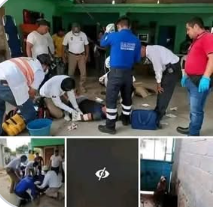
Later, strangers would fill the house. Police. Medics. Voices murmuring in hushed tones, as if speaking louder might wake the dead or offend the tragedy. They would guide him outside, wrap him in blankets he didn’t feel, ask him questions he couldn’t answer. The world would continue functioning around him, cruelly intact.
But in that first moment—before explanations, before headlines, before grief had a name—there was only him and the unbearable knowledge that he had survived something he was never meant to survive. He had walked into his home and stepped out of the life he knew forever.











Leave a Reply