
Beauty is often perceived as something fleeting, a quality bound to youth, symmetry, and physical appearance. Society tends to celebrate what is immediately visible, what can be admired at a glance, and what conforms to ever-changing standards of attractiveness. Yet this understanding of beauty is limited and fragile, because it fades with time and shifts with trends. True beauty, however, exists on a deeper level. It transcends the physical and finds its essence in the inner world of a person. This is the beauty embodied by the notion of the “beautiful girl.”
The beautiful girl is not defined solely by her facial features, her body, or the way she moves through a room. She is defined by the presence she leaves behind once she is gone. Her beauty lives in her kindness—the way she treats others with empathy and respect, even when there is nothing to gain. It is found in her strength, not only the strength to endure hardship, but the courage to remain gentle in a world that often rewards hardness. It exists in her intellect, in her curiosity about life, her ability to think deeply, question thoughtfully, and grow continuously. Above all, her beauty shines through her authenticity: her willingness to be herself without apology, to embrace both her light and her imperfections.
This kind of beauty does not demand attention; it naturally attracts it. It does not rely on validation from others, because it is rooted in self-awareness and inner balance. Unlike physical beauty, which can be admired from a distance, inner beauty invites connection. It creates a lasting impression, one that lingers in memory and influences the people she encounters.
Appearance and style, however, still play an important role in how a woman presents herself to the world. Style is far more than clothing or fashion trends—it is a form of silent communication. Through her style, a woman expresses her personality, her mood, her values, and her worldview. The way she chooses to dress, move, and carry herself can reveal her confidence, creativity, discipline, or emotional sensitivity. Style becomes a language, one that speaks before words are exchanged.
A woman’s appearance can offer subtle clues about her preferences, her lifestyle, her cultural background, and even her stage in life. It may reflect her intelligence in the way she combines simplicity with elegance, or her emotional state in the colors and shapes she gravitates toward. Style can suggest social awareness, self-respect, and a sense of purpose. Importantly, true style is not about wealth or status, but about coherence—about choosing an outward image that aligns with one’s inner identity.
In this sense, style is the harmonious unity of outward appearance and inner content. When a woman’s external image reflects who she truly is inside, her presence feels genuine and complete. There is no contradiction between what she shows and what she is. This harmony enhances her beauty, making it feel natural rather than constructed.
The truly beautiful girl understands that appearance is a tool, not a foundation. She uses style to express herself, not to hide behind it. She knows that clothes can decorate the body, but only character can define the soul. Her beauty, therefore, is not loud or demanding—it is calm, confident, and deeply rooted. It evolves with time, growing richer as experience shapes her perspective and self-understanding.
In the end, real beauty is not something that fades; it matures. It is not something that can be taken away; it is something that is built from within. The beautiful girl is not simply seen—she is felt. And that is the kind of beauty that remains long after appearances have changed.
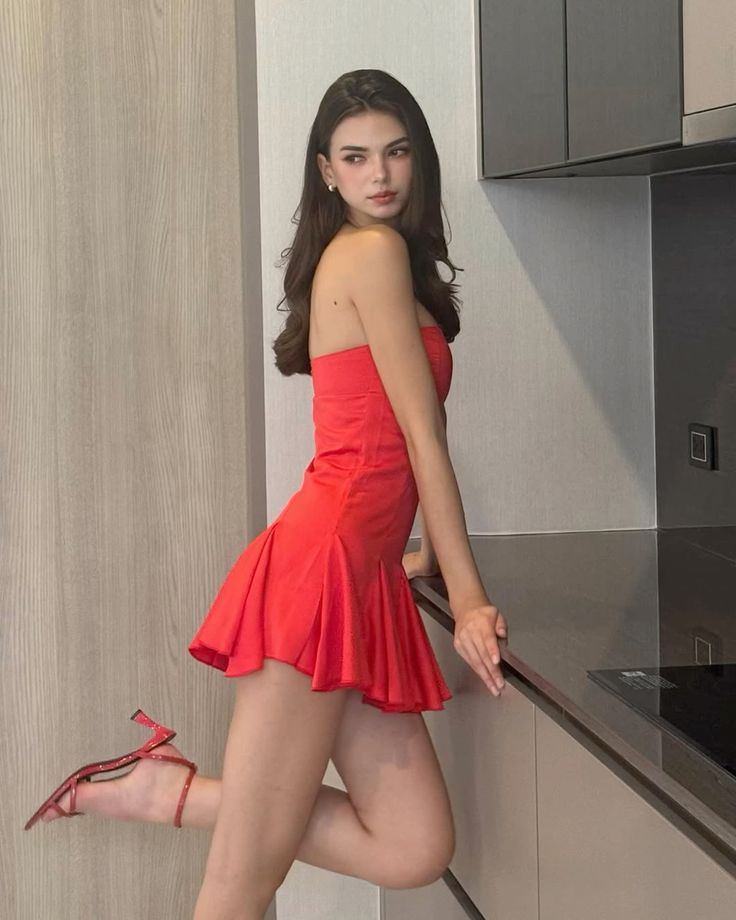








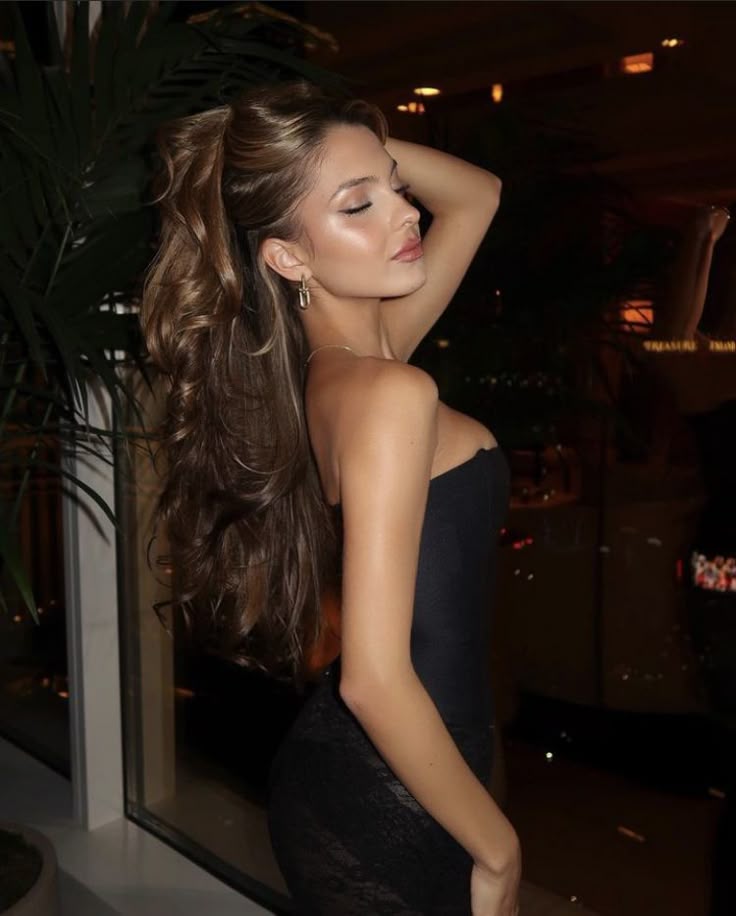



«Fashion passes, style remains,» these words belong to Coco Chanel. By choosing a specific clothing and makeup style, a woman can follow fashion changes as much as she wants, while still preserving her own style. Stylists distinguish the following main styles: classic, business, «Chanel,» romantic, sporty, avant-garde, folklore, fantasy, diffuse, and «Glamour» style. Each of these styles has its own characteristics.











Leave a Reply