
He Got Sentenced to Death 😨: Understanding the Complexities of Capital Punishment
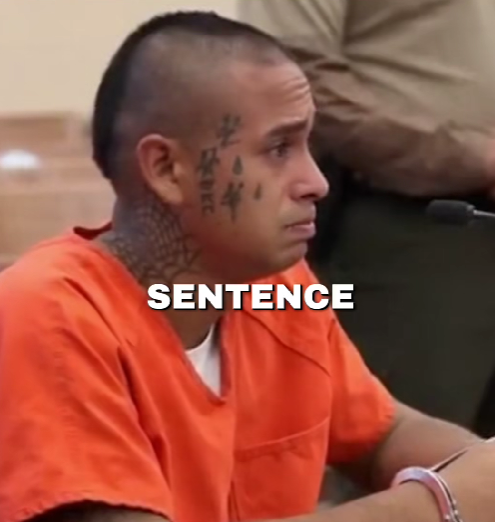
The news that someone has been sentenced to death can shock and disturb us: “He got sentenced to death 😨.” Beyond the initial reaction of fear or disbelief, such cases raise deep questions about justice, morality, and the role of law in modern society. Capital punishment, or the death penalty, is one of the most controversial aspects of criminal justice, provoking strong emotions and debates worldwide.
While some see it as a necessary tool to deter crime and deliver justice, others argue that it is an outdated, inhumane, and irreversible punishment that carries immense ethical and social consequences.
The Death Penalty Around the World
Capital punishment is not uniform across the globe. Its application varies widely based on legal systems, cultural norms, and political contexts.
- Countries with active death penalty enforcement include the United States, China, Iran, Saudi Arabia, and Pakistan. These nations carry out executions for crimes such as murder, terrorism, and drug trafficking.
- Countries that have abolished it often cite human rights concerns, the risk of wrongful convictions, and international pressure. Europe, Canada, and most of Latin America have fully eliminated capital punishment.
Interestingly, even within countries that maintain the death penalty, there are often significant variations in how it is applied. Some states or provinces rarely use it, while others execute prisoners regularly. This inconsistency raises questions about fairness, equality, and the role of chance in life-and-death legal decisions.
Common Crimes Leading to Death Sentences
Typically, the death penalty is reserved for what the law classifies as the most serious crimes, often described as “capital offenses.” These may include:
- Premeditated murder
- Terrorism and acts causing mass casualties
- Espionage or treason in certain countries
- Drug trafficking in nations like Indonesia and Saudi Arabia
- Crimes against the state, including rebellion or insurrection
It is important to note that the list of capital offenses is often influenced by cultural, historical, and political factors. For example, some countries may impose the death penalty for acts that would not even be considered crimes elsewhere, reflecting local legal traditions.
The Legal Process Behind a Death Sentence
Being sentenced to death is not instantaneous. Most legal systems provide a lengthy and rigorous judicial process to ensure due process:
- Investigation and Arrest – The accused is investigated, charged, and brought before the court.
- Trial – A trial is conducted where evidence is presented, and the defendant has the right to defense.
- Appeals – Multiple appeals are often allowed to challenge procedural errors, evidence validity, or constitutional concerns.
- Final Judgment – Only after all legal avenues are exhausted is a death sentence typically carried out.
Despite these safeguards, the process is not perfect. Mistakes, bias, corruption, or inadequate legal representation can lead to wrongful convictions, highlighting one of the most serious risks of the death penalty.
Ethical and Moral Considerations
The death penalty raises profound ethical questions. Philosophers, religious leaders, and human rights activists often debate whether it is ever morally acceptable to take a human life, even in the name of justice.
- Proponents argue:
- It serves as a deterrent to serious crime
- It provides justice for victims and their families
- It ensures dangerous criminals cannot reoffend
- Opponents argue:
- There is no conclusive evidence that it deters crime more effectively than life imprisonment
- The risk of executing innocent people is irreparable
- It can perpetuate cycles of violence and societal trauma
Ethical debates also intersect with social issues like race, class, and economic inequality. In many countries, marginalized individuals are disproportionately represented on death row, raising concerns about systemic bias.
Psychological Impact on Individuals and Society
The psychological impact of a death sentence is immense and multifaceted:
- For the condemned individual:
The experience of awaiting execution can be psychologically devastating, often leading to depression, anxiety, and feelings of hopelessness. The period between sentencing and execution, sometimes spanning decades, is particularly stressful. - For families:
Both the families of the victim and the condemned face emotional trauma. Victims’ families may struggle with closure or revenge feelings, while the condemned’s relatives endure grief, shame, and social stigma. - For society:
Regular executions can normalize state-sanctioned violence and influence public perceptions of justice, morality, and fairness. Societies with high execution rates often grapple with complex debates about human rights, law enforcement, and the role of punishment.
Controversies and Challenges
Several key controversies surround the death penalty:
- Wrongful Convictions
Advances in DNA testing and investigative journalism have revealed cases where innocent people were sentenced to death, exposing systemic flaws. Once carried out, executions are irreversible, making errors catastrophic. - Disproportionate Application
Data shows racial, economic, and political factors influence who is sentenced to death. Wealthy defendants with strong legal teams are often less likely to receive the death penalty than marginalized individuals with limited resources. - Cost and Resources
Surprisingly, death penalty cases often cost more than life imprisonment due to prolonged trials, appeals, and complex legal procedures. This financial burden is a growing concern in many countries. - International Human Rights Pressure
Organizations such as Amnesty International and the United Nations advocate for global abolition, citing capital punishment as a violation of fundamental human rights.
Alternatives to the Death Penalty
Many countries and jurisdictions are exploring alternatives that aim to balance justice with human rights:
- Life imprisonment without parole ensures the offender cannot harm others while avoiding the ethical dilemma of execution.
- Restorative justice programs focus on rehabilitation and reconciliation between the offender and society.
- Reform of legal systems to prevent wrongful convictions and ensure fair trials, particularly for marginalized populations.
While these alternatives cannot erase the harm caused by severe crimes, they provide a path that prioritizes justice without taking a life.
The Role of Public Opinion
Public opinion plays a significant role in the continued use or abolition of the death penalty. In some countries, strong support for capital punishment persists due to fear of crime, desire for revenge, or cultural traditions. In others, growing awareness of wrongful convictions, ethical concerns, and human rights advocacy has led to widespread calls for abolition.
Media coverage of high-profile cases, especially those involving shocking crimes or alleged miscarriages of justice, can significantly influence public sentiment. The viral reaction of “He got sentenced to death 😨” often reflects the broader societal struggle to reconcile emotional reactions with legal principles.
Conclusion
The sentence of death is one of the most serious and consequential actions a legal system can take. It forces society to confront fundamental questions about justice, morality, and human rights. While the law provides structures to ensure due process, no system is perfect, and the consequences of errors are irreversible.
The debate over capital punishment will likely continue for decades, balancing the demands of justice with the ethical, social, and psychological impacts it creates. For now, each case that results in a death sentence serves as a reminder of both the power and the responsibility of the law—and the fragility of human life in the justice system.
Ultimately, the statement “He got sentenced to death 😨” is not just a reflection of shock; it is a window into one of society’s most profound moral dilemmas, highlighting the intersection of law, ethics, and human emotion.










Leave a Reply